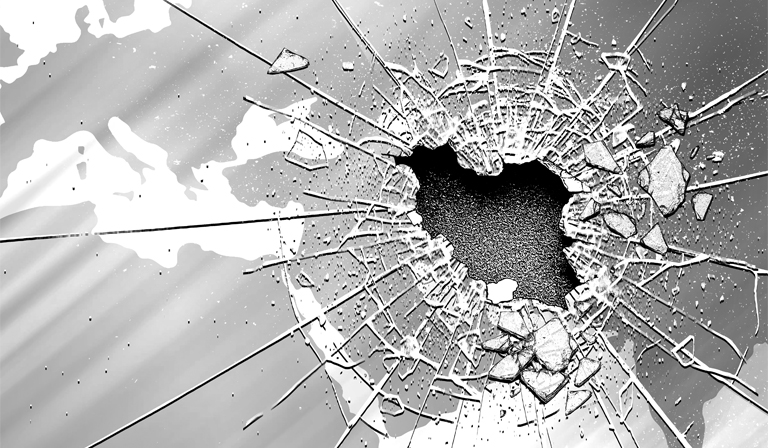
In his seminal book On War Carl von Clausewitz famously observed that “three-quarters of the factors on which action in war is based are wrapped in a fog of greater or lesser uncertainty”. The fog of war was true in 1832 and, as we surveyed the conflict in Iran, we thought it was still true today. That is why we sought the guidance of a symposium of experts, to peer through the mist and suggest, as far as they could, the world beyond the war.
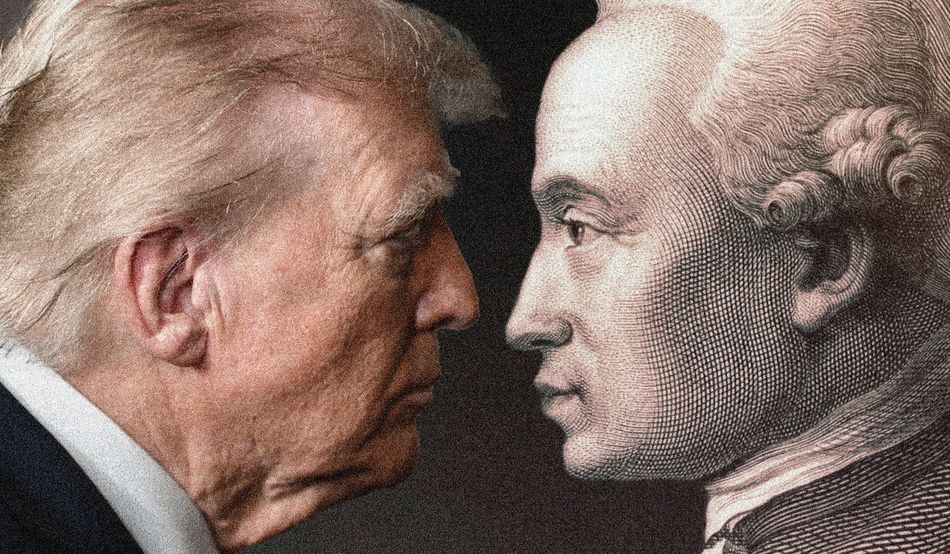
The war is unlikely to end unless President Trump is able to declare a victory of sorts—so it is important to ask, as Daniel Kurtzer does, what he wants. The president is also the focus of Jonathan Sumption’s suggestion that he simply ignored international law and Kim Darroch’s piece on Starmer and the special relationship. No matter what the state of transatlantic relations may be, George Robertson writes that the UK is not ready to fight a war should it choose to do so.
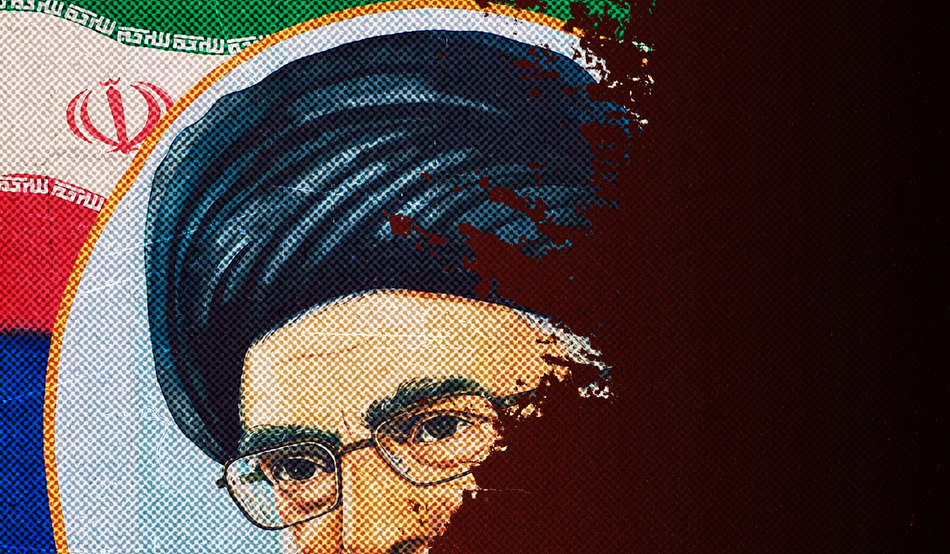
Then we look at the consequences of the war in Iran. Elizabeth Tsurkov dissects the crumbling axis of resistance ideology, Gerald Knaus contemplates the displaced people that the war will create, and Arash Azizi ponders his country’s next chapter. Finally, we look out beyond Iran. Isabel Hilton suggests that the main, perhaps the only, beneficiary of the war will be China and Daron Acemoglu wonders what is left of the credibility of global institutions.
Our contributors:
Daniel C Kurtzer: What Trump wants from the Iran war
Jonathan Sumption: Donald Trump has ignored American law
Kim Darroch: Starmer, and Britain, may yet suffer Trump’s retribution
George Robertson: The UK is not ready
Elizabeth Tsurkov: The ‘Axis of Resistance’ ideology is crumbling
Gerald Knaus: Will the Iran war create a migrant crisis in Europe?
Arash Azizi: As an Iranian, I have dreamed of democracy all my life
Isabel Hilton: The conflict could benefit China
Daron Acemoglu: Three consequences of the Iran war