Faced with a new war in the Middle East, the reflex of many in the European Union has been to ask: how many refugees will come to us? The correct answer at this moment would be: very few. But this should not sound reassuring. It is not the right question.
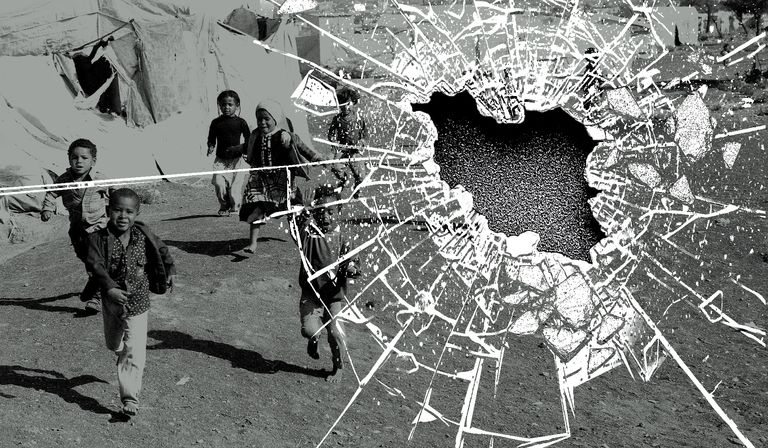
Across the region, more than 20m people, many of them children, had already been forcibly displaced before this year’s US-Israeli attack on Iran. Jordan and especially Turkey have accepted millions of Syrian refugees since the beginning of the civil war there in 2011. Syria, Lebanon, Iraq, Yemen, Gaza—all hosted millions of people displaced by earlier fighting.
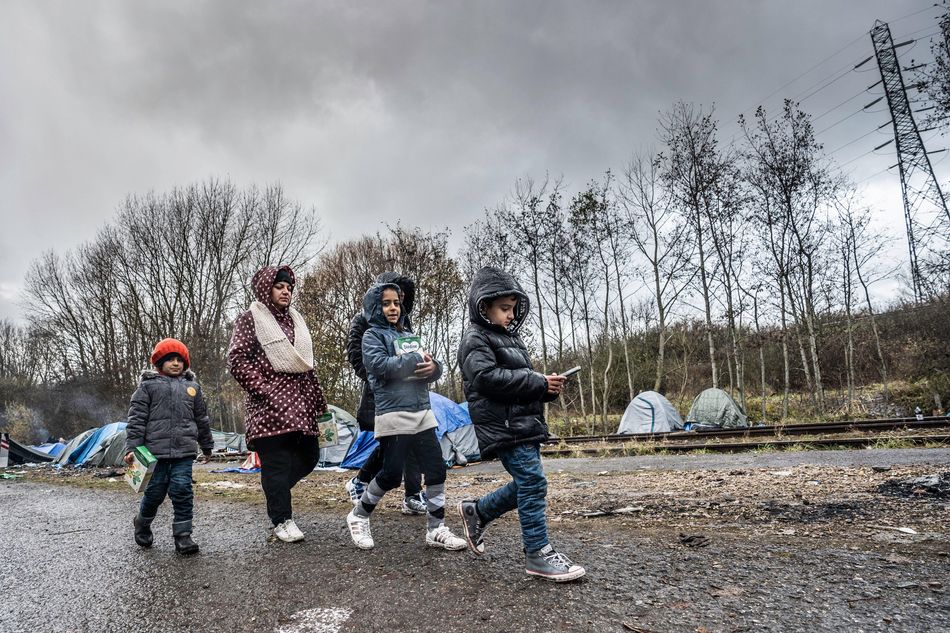
At the same time, 2025 saw very few of these displaced even attempt to head to Europe. Millions remained where they were, with borders around them closed by walls and guarded by soldiers.
In 2015, more than one million people reached the EU from Turkey, via Greece. But this was exceptional, a year unlike any in the past 70, rather than the new normal. It was not simply the result of fighting in Syria, but also of Turkey’s decision to allow millions of Syrians to enter its territory legally and visa-free, making it the leading refugee-hosting country in the world. Most Syrians stayed there: right now, there are still more than two million with temporary protection in Turkey.
However, 2015 also saw many Syrian refugees in Turkey give up hope of ever returning home, as Vladimir Putin propped up Bashar al-Assad and Isis spread terror. So some, then more, decided to move on. Families crossed from Turkey to the Greek islands. When the EU and Turkey reached an agreement in March 2016, these numbers fell sharply; aid for Syrians in Turkey increased dramatically; and there was a promise of resettling tens of thousands in an orderly fashion.
When that agreement collapsed in 2020, numbers crossing irregularly rose again. The influx of Syrians into Turkey had largely stopped, since Turkey no longer allowed their entry and had completed a new border wall guarded by soldiers. Syrians already in Turkey were now moving to the EU.
The lesson is stark: whether refugees reach Europe depends on the policies of states along the route. No one today leaves Gaza for Israel, Egypt or Europe—because all exits are sealed. No Syrians ever reached Israel. In fact, few have left Syria in recent years, with all neighbouring countries having closed their borders.
This has implications for Iran. Turkey remains decisive. If it does not admit large numbers of refugees, few will reach the EU. Without access to Turkey, there is no viable route to the Aegean. No arrivals, however, does not mean no humanitarian catastrophe. This is today contained within the region, in Gaza, Yemen or Lebanon.
Many misread this situation. Some suggest irregular migration is unstoppable and will go on forever due to “root causes” including wars, poverty and climate change. In fact, in recent years very few Africans tried to reach the EU. What Europe experienced after 2015 was the result of two specific wars, in Syria and Ukraine, with people moving along specific routes shaped by specific border policies at the time. Migration patterns linked to Iran would follow the same logic and depend on whether people are allowed to move across borders, particularly to Turkey.
It is worth emphasising that the two largest refugee crises affecting Europe in the decade between 2015 and 2024 were closely linked to the actions of one man, Vladimir Putin. First through Russia’s attempt to keep Assad in power during the Syrian war; then through the attack on Ukraine in February 2022. Many of the far-right parties in Europe fantasising about the myth of the “Great Replacement” openly sympathise with the very leader who prolonged or produced the largest refugee crises in Europe since the Second World War.
What follows from this for the EU is the importance of humane migration management, possible only in cooperation with third countries. The new Common European Asylum System offers one important tool: the possibility of safe third-country agreements. If the EU were to conclude agreements with three or four such states along the main routes—states where asylum procedures can take place—irregular crossings could be reduced drastically, without violating the refugee convention. This is the example of the 2016 EU-Turkey statement. But that agreement also included huge aid payments and promises of resettlement. Would these be offered today?
Currently, humanitarian support for millions of displaced people in the Middle East is completely insufficient. What Europe should aim for again is control over its external borders through agreements, combined with organised legal pathways and generous assistance. None of this currently exists.
Migration control matters, but it should never be the only answer to humanitarian catastrophes. It is wars and expulsions that should be stopped, even where those expelled never reach another country, as in Gaza, Yemen or Lebanon. The question we should ask is: how to change this?