“That little creep camping on my doorstep?” This was reportedly Lyndon B Johnson’s reaction on hearing that Harold Wilson was angling for a visit. LBJ’s outburst in part reflected resentment at Britain’s refusal to commit even a token force to the Vietnam War. Wilson said at a 1964 cabinet meeting that Johnson had told him a bagpipe band would have been enough. Raymond Seitz, a former US ambassador to the UK, observed that Johnson “could barely conceal his disdain for Wilson”.
This clash is far from unique in the relationship between the two nations since the Second World War. The 1956 Suez crisis, when the Eisenhower administration led international condemnation of the Anglo-French invasion of Egypt and blocked IMF support for the British economy, was the most serious rupture. In 1994, John Major was so angry about Bill Clinton’s decision to allow Gerry Adams to visit the US that he spent several weeks refusing to take Clinton’s phone calls. In 1999, a furious Clinton phoned Tony Blair to demand that he “get control” and stop his staff briefing that the US was reluctant to put ground troops in Kosovo. And in a 2016 interview with the Atlantic, Barack Obama attributed the post-Gaddafi chaos in Libya to David Cameron and other European leaders “getting distracted”.
Even the most fabled relationship between British and American leaders, that of Margaret Thatcher and Ronald Reagan, included a famous argument over the US invasion in 1983 of Grenada, a Caribbean island whose head of state is, to this day, the British monarch. When Thatcher phoned Reagan and handbagged him at length, legend has it that Reagan put her on speakerphone and whispered to the staffers assembled in the Oval Office: “Isn’t she wonderful!”
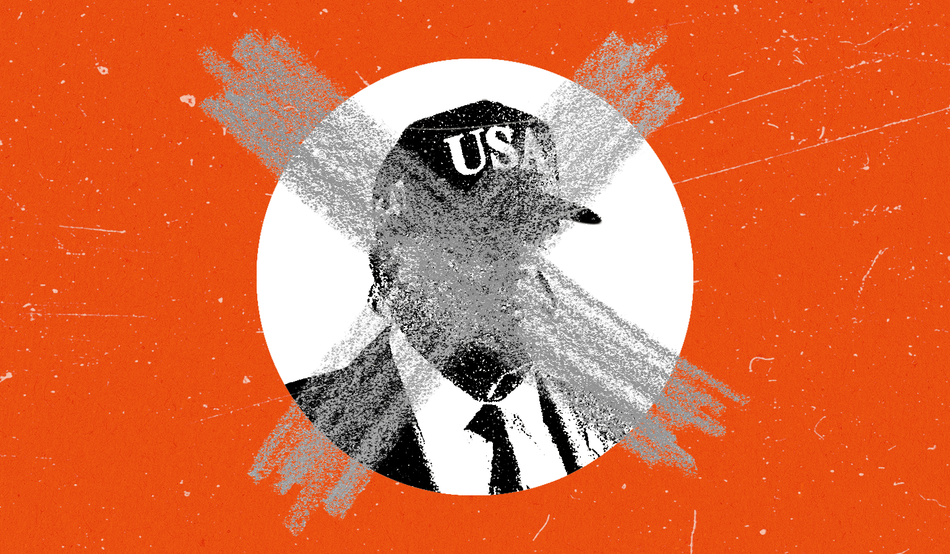
Set against this history, Trump’s recent attack on Keir Starmer—“he’s no Winston Churchill”—looks rather less extraordinary. But there is one important difference. It is hard to imagine an Obama, a Clinton or a Reagan following up with economic retaliation. It is, by contrast, easy to visualise Trump erecting new tariffs against the UK, as he is already threatening against Spain. So while it may all blow over, as it sometimes does with this president, there could be retribution somewhere down the track. Co-existing with Trump is an exercise in brinkmanship for every national leader. For Starmer, the crosswinds have just increased by a few knots.
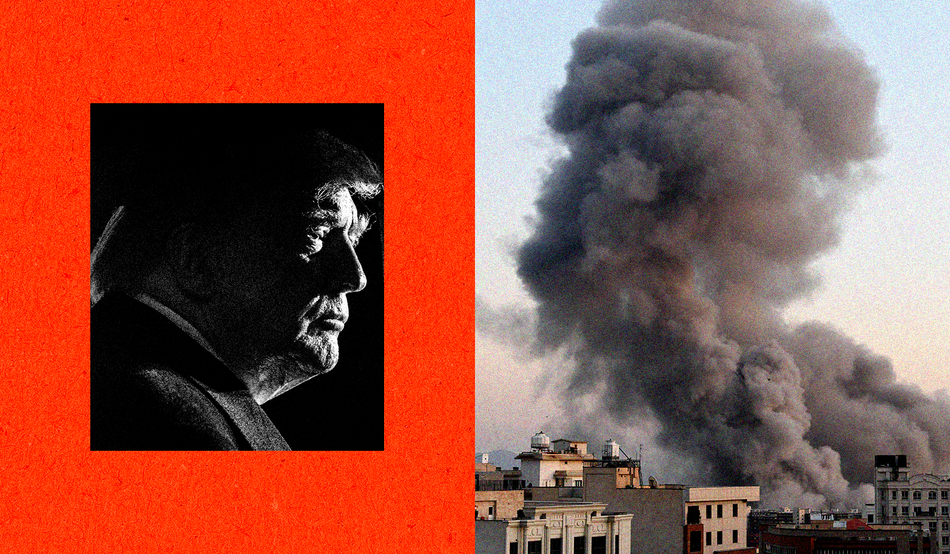
Taking a broader view, it is difficult to argue that Trump’s war is going well. Peering through the contradictory statements from his administration, it is evident that Trump’s personal objective was regime change, his timescale a quick in-out in the vein of the strike on Venezuela. Instead, the headline from the first weeks is regime continuity, with Ayatollah Khamenei’s son replacing him as supreme leader and some seemingly preplanned promotions to replace the fallen generals.
As for a quick end, Trump has moments when he appears to be looking for an exit; but he also wants to claim “total victory”. That is hard to assert with the Strait of Hormuz blocked, western shipping bottled up in the Gulf, oil prices climbing and Iranian attacks on America’s Gulf allies continuing. It takes two sides to end a war, and the Iranians appear to have a different idea: a sustainable war in which they do just enough to keep insurance costs for western shipping in the Gulf ruinously high, discourage tourists from visiting the region and do serious economic damage to the US and its allies—perhaps enough to prompt a global recession.
If this is the Iranian strategy, the Americans and Israelis may be tempted, at some point, to launch further, punitive, military strikes. But then that starts to look like a forever war.
Finally, what does this mean for the UK’s place in the world? It’s a mixed outlook. On the one hand, having only one warship available to send to the region, and even that only after a couple more weeks in the repair shop, looks bad, highlighting years of chronic underinvestment in defence. The truth is that we are not sufficiently equipped to defend ourselves, let alone play a global role. Whatever the difficult choices, we must increase defence spending at a much faster rate than is currently planned.
On the other hand, in diplomatic terms Starmer looks to have positioned the UK about right on Trump’s war, in line with both public opinion and with the near unanimous reaction around the world. The US-Israeli attack was illegal under international law. The objectives have never been clear. Britain was not informed in advance, let alone consulted. And there seems to be no “day after” plan. While we should defend our interests in the region, both bases and people, and support our Gulf friends, that should be it. And given that there is probably no military solution to the Strait of Hormuz standoff, the best minds in the Foreign Office should be thinking about how to incentivise de-escalation.