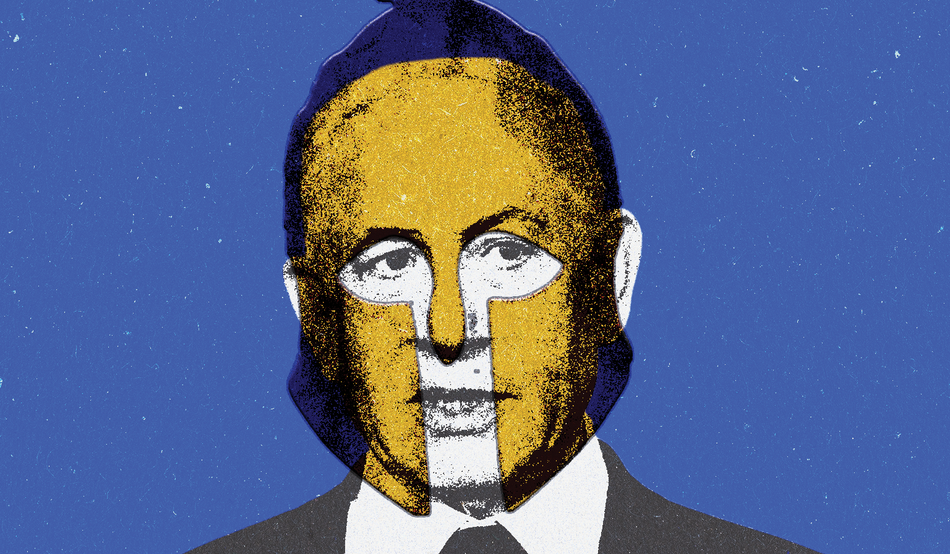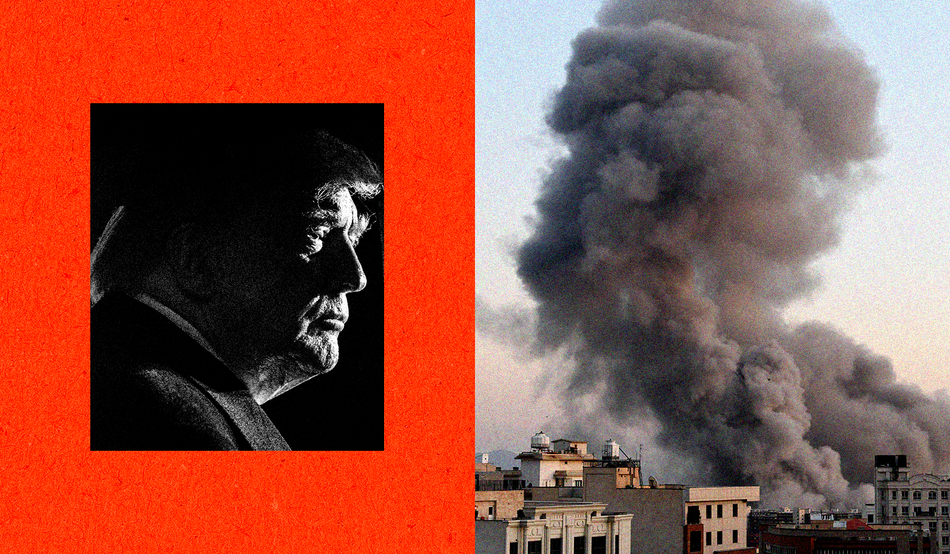
In the past few days Donald Trump has said that his war with Benjamin Netanyahu against Iran would end “very soon” and was “very complete”. He has also said that the end would be “not this week”, that he hasn’t yet “won enough” and that he would carry on until Iran’s “unconditional surrender”.
Then again, Trump said that the decision to end the war would be a “mutual” one with the Israeli leader. Immediately afterwards, Netanyahu said he is “not done yet”, having previously said that “it may take some time.”
But what is it that may take “some time”? Sometimes it is ending Iran’s capacity to develop nuclear weapons, something Trump previously—as recently as last week in fact—claimed had been achieved in the war against Iran in June last year. In other statements the aim is to disable Iran’s entire navy and/or ballistic missile capability and/or it is to bring down the entire Iranian regime.
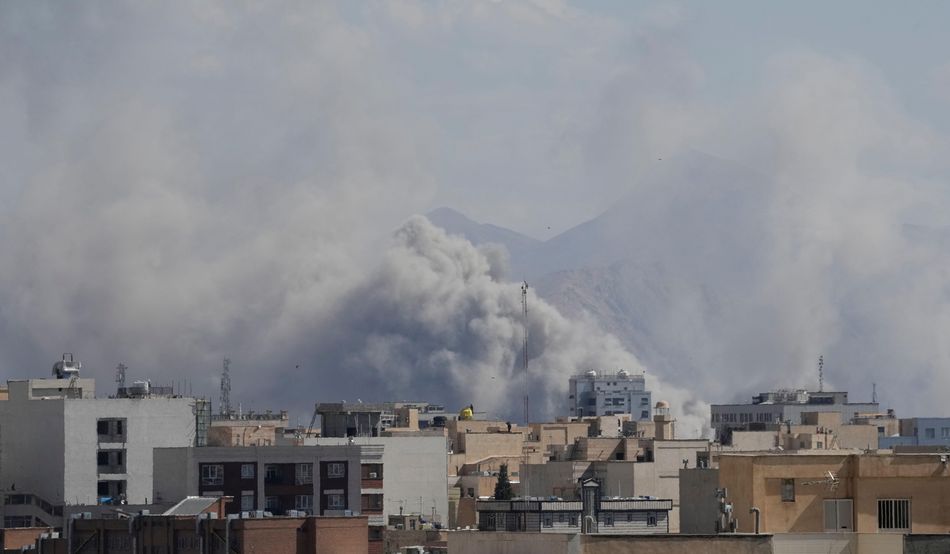
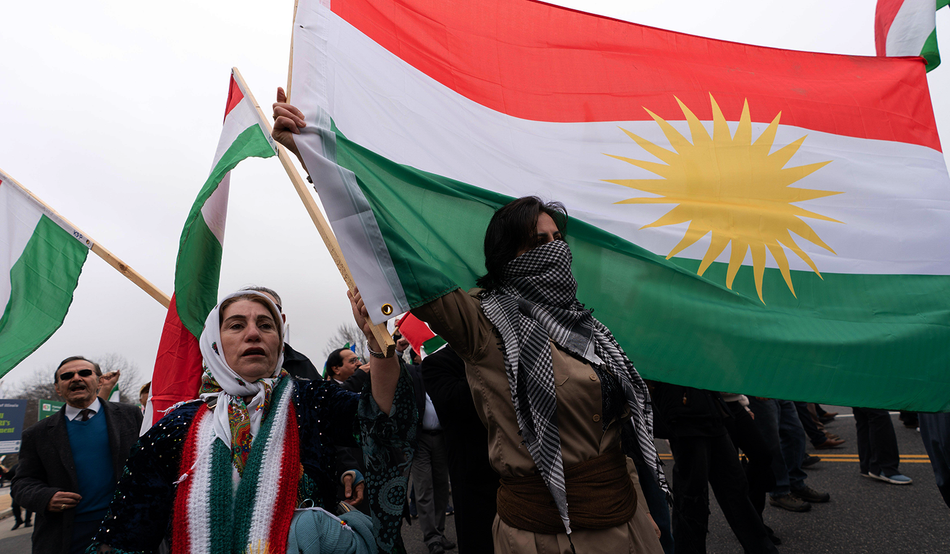
Nor is it remotely clear what regime change means to Trump and Netanyahu. “When we are finished, take over your government. It will be yours to take,” Trump proclaimed to the Iranian people as he launched strikes on 28th February, while this week the Israeli leader said that Israel’s “aspiration is to bring the Iranian people to throw off the yoke of tyranny,” but that “ultimately it depends on them”. On other occasions Trump has said that he wants to choose or approve the new supreme leader from within the existing regime, to succeed the one he has just assassinated, as he did with the new Venezuelan leader after he abducted Maduro.
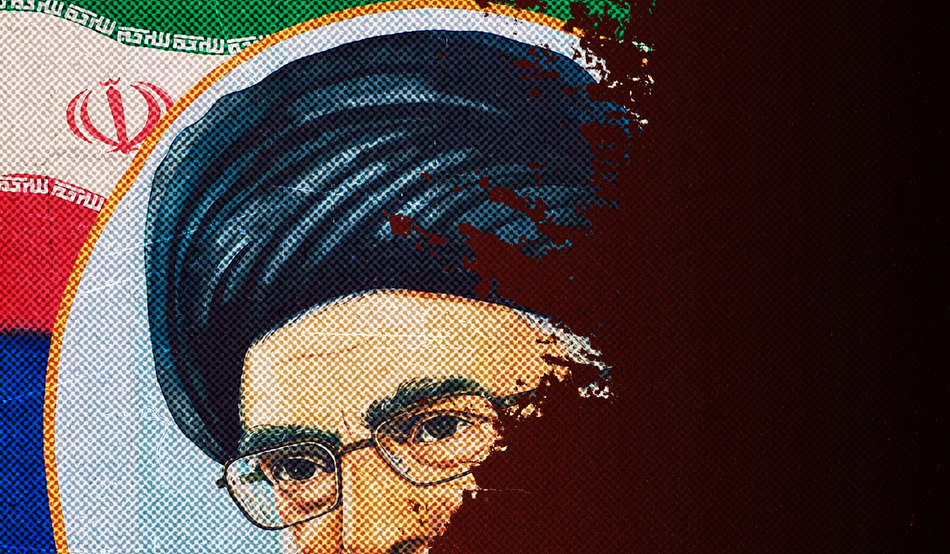
Meanwhile the mullahs in Tehran have chosen Mojtaba Khamenei, the son of their assassinated leader, without consulting the United States and have pledged to keep on fighting. And they announced this a day or two before Trump declared that his “very complete” war would end “very soon.”
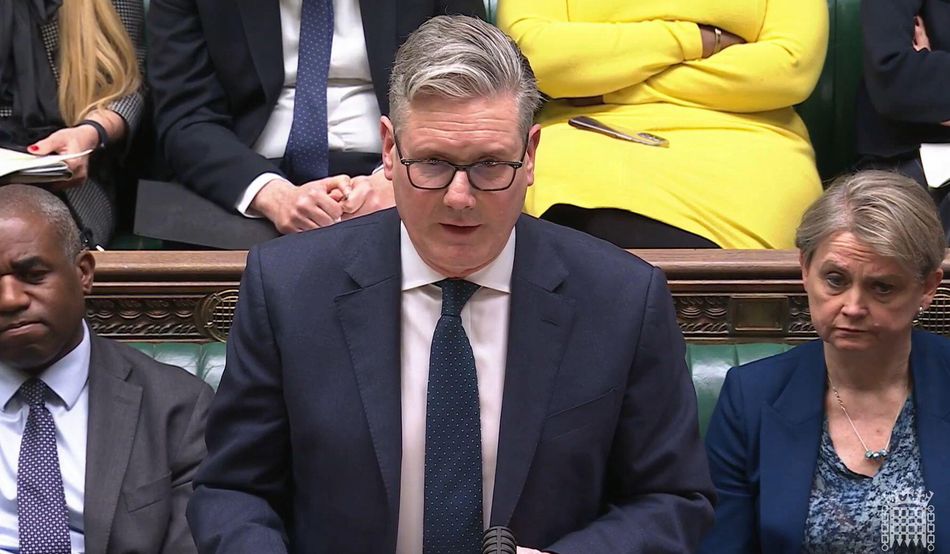
Government by obfuscatory word salad extends to wars as much as everything else undertaken by Trump’s administration. “There’s no art to find the mind’s construction in the face,” declares one of Shakespeare’s monarchs, and there’s no art to finding Trump’s policies and intentions from his public statements. Instead, to assess the likely course of this latest crisis, Starmer and his fellow western leaders have to rely on the US president’s past patterns of behaviour and how these interact with present realities. This analysis leads to three observations.
First, whatever the rhetoric of regime change, Trump isn’t a liberal, “neo” or otherwise. Nor is Netanyahu or any of the leaders of the Gulf states with whom they have been collaborating. Having decapitated the Iranian government, their main concern is to render the successor leadership as weak as they can as quickly as possible. Hence the assassination strategy, alongside the bombing of military installations.
Second, Trump has never yet fought a serious ground war, and vast Iran, with no evident preparation for the transport of a US army, is highly unlikely to be his first such foray.
Third, market reactions—especially stock market declines and commodity price increases—weigh very heavily on Trump. The longer the war continues, the worse the market is likely to react, especially given the threat to Gulf oil shipments through the Strait of Hormuz.
The best assessment is, therefore, that this particular war will soon be over, but that further bombing of Iran, and further attempts at leadership decapitation, will recur periodically for as long as Trump and Netanyahu are in league. If that is correct, Starmer need not worry too much about Trump’s reaction to lack of British support. He will soon have moved on to the next round.