Parliamentary byelections often matter as much for what doesn’t happen as for what does. So far, the coming race in the Greater Manchester constituency of Gorton and Denton is most significant for two non-events.
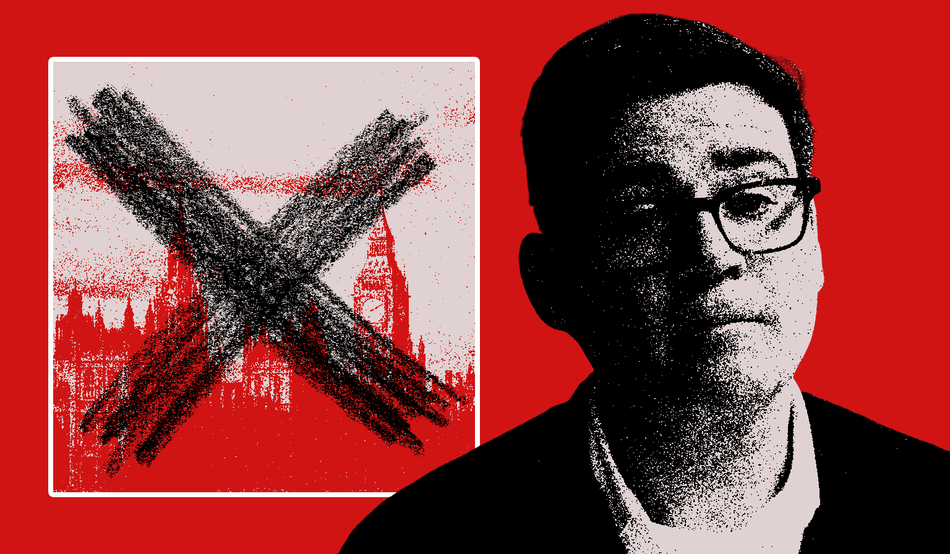
The first—the absence of Greater Manchester mayor Andy Burnham as the Labour candidate —has attracted much attention. Keeping Labour’s highly popular “King of the North” off the ballot makes the contest more challenging for Labour, whatever its effect in helping Keir Starmer survive in Number 10.
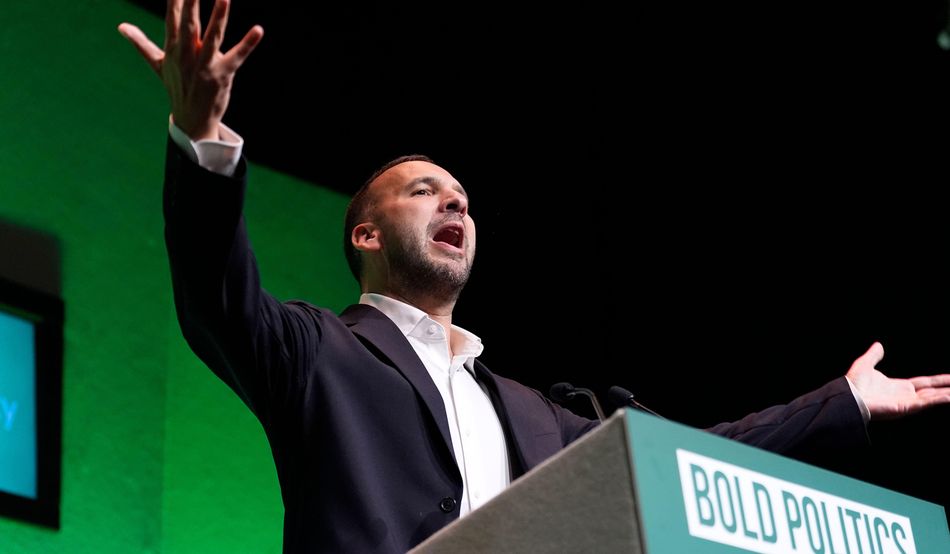
However, another non-event is possibly of even greater consequence: the absence of Zack Polanski, leader of the Greens, as the party’s candidate.
It is astonishing that Polanski is not contesting this largely metropolitan constituency himself, particularly after the exclusion of Burnham. Instead the party is fielding 34-year-old Hannah Spencer, a plumber by trade who leads the Greens in Trafford council. Demographically and politically, with its disproportionately young and ethnic minority electorate, Gorton and Denton could certainly be good territory for the Greens. The seat also has traditional white working-class districts, which are more fertile for Reform UK, but if the Greens are to be more than a fringe party this is precisely the sort of territory in which they need to advance.
At the last election, Labour took half the vote in this constituency, with Reform and the Greens in close competition for second place. Polanski’s profile could only have boosted the party here, not least by making it harder for Labour to paint the contest from the outset as a two-horse race with Reform.
The Greens have never won a parliamentary byelection. Were Polanski to have emerged victorious in this one, defeating both Labour and Reform, it would have given him a barnstorming entrance to the House of Commons.
And it could have made him the Farage of the left. He would have become not just a populist leader but a strong national parliamentary competitor to Labour in a political system where—as Farage himself has demonstrated since his election for Clacton in 2024—you have to be an MP in order to be a credible candidate for power.
I can only see two explanations for the highly energetic and driven Polanski to have ducked this byelection. Either he thought he couldn’t win, and/or he underestimated the importance of being in the House of Commons for his potential to break through nationally as leader of the Greens. Either way, his absence is good news for Labour, both in this byelection and in the party’s longer-term struggle to retain power.
If Labour now wins, it will be the salvation of Starmer and a setback for Reform, in both cases maybe only temporarily. But it could keep Polanski at bay longer as a populist of the left.
What if the Greens win without Polanski as candidate? It would doubtless give the party a surge, but its leader still wouldn’t be in parliament. All eyes would then be on whether Polanski stands in the following byelection or ducks that one too. Meanwhile, the focus would be on the Labour leadership.
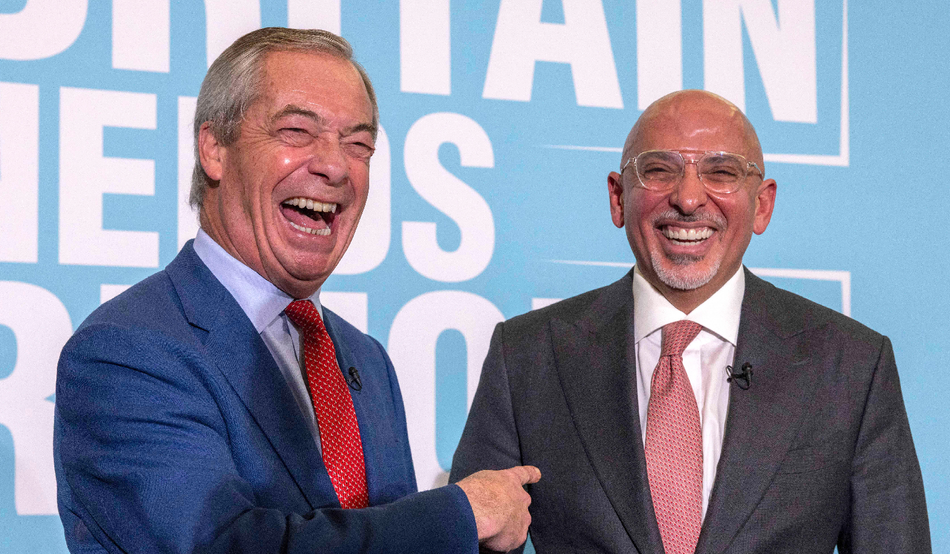
What of Reform? A failure to win would put a brake on Farage’s momentum. It would enable all the other parties—not least Kemi Badenoch’s struggling Tories—to continue claiming that Reform faces a glass ceiling outside its white working-class heartlands. This argument is practically all that is holding back many Tory MPs from joining Reform, since there are now virtually no major policy disagreements between the two parties.
Conversely, a Reform victory in Greater Manchester could be existential for the Tories. It would not only give Farage a metropolitan bridgehead, but by breaking through another barrier it could unleash further Conservative defections. There are only so many more of those to go before the Tories implode.