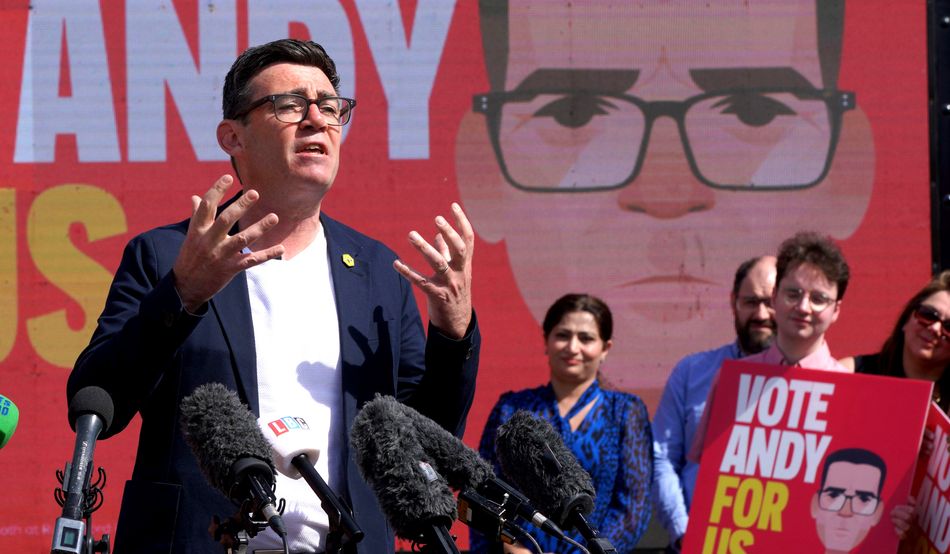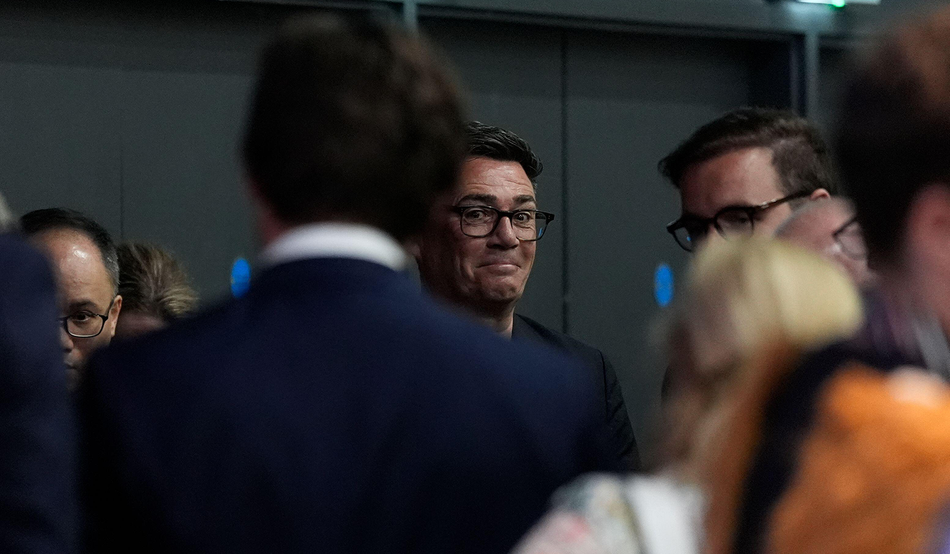
First of all, a confession. My first instinct on learning last month that Andy Burnham was shooting for Makerfield was that it simply couldn’t be done.
Back in 2024, this had been one of Reform’s top 10 seats nationwide, with more than double its UK-wide vote-share. A mere week before Burnham’s announcement, in the very wards that make up this seat, Labour had come in 20 points behind Nigel Farage’s all-conquering hard-right populists in the local elections.
The conventional wisdom is that most people vote along party lines, and even a strong personal vote allows a candidate to outperform their national tribe by 5 or at the very most 10 points. And everybody understands that byelections always offer frustrated voters a chance to have a free pop at the party of government.
And yet here we are, with Burnham having not merely done it, but having cruised home with an increased and indeed absolute majority of the ballot, and on an increased turnout to boot. That last point is significant, because it suggests Burnham has engendered genuine enthusiasm, and not merely triumphed through apathy and the failings and divisions of his opponents. A defeat on this scale cannot plausibly be blamed on Reform’s Robert Kenyon’s perverted social media posts about Carol Vorderman. As for Rupert Lowe’s Restore Britain—a reincarnated National Front which promises to “put murderous third-world savages to death”—even if the full seven per cent vote share it achieved had gone with Reform, it wouldn’t have made any difference.
Less consequential than Restore splintering the right was Burnham unifying the centre-left, virtually eliminating both the nationally buoyant Greens and the Liberal Democrats. Both were left with less than one per cent of the ballot, as the departing mayor of Greater Manchester cleaned up local progressive opinion—in exactly the way that Keir Starmer’s Labour party spectacularly fails to do nationwide.
After this very personal triumph, the building momentum for Burnham’s early installation in Downing Street looks like it could be impossible to stop. So it is important to ask which of the three aspects of his winning campaign—personality, political style and policy—could successfully be transplanted onto the national stage.
Having interviewed Burnham on a few occasions, going back as far as 2010, and having spent a couple of weeks in 2020 talking to colleagues and other acquaintances about the increasingly impressive figure he was cutting during the pandemic, I do think he is the sort of character who is capable—at least for a time—of getting Labour a fresh hearing. He is, as my profile then said, a guy who knows who he is away from politics. YouGov has picked up a drop in his nationwide ratings during the manoeuvrings of the Makerfield campaign, a reminder that he isn’t immune from the reputational hazards of his trade. But his secure underlying identity lends itself to a relaxed and relatable way of communicating which Starmer is never going to master.
Closely connected is a pluralist style of politics. For years, Starmer and Morgan McSweeney imposed a control-freakish command-and-control style of party management. The whip was withdrawn with abandon, various candidates faced arbitrary blocks and all sorts of strings were pulled to close down debates. Starmer’s failure to articulate a relatable vision meant that nobody understood what all this discipline was for, which rendered it brittle. He overreached in barring Burnham from running in an earlier byelection at the start of the year, which led to a defeat to the Greens from which the PM has never recovered. The Labour party, and progressive Britain beyond, is crying out for a leader who is temperamentally capable of accepting and working around dissent. Burnham should be able to do that. And especially with his interest in electoral reform, he won’t be the barrier to progressive cooperation across party lines that Starmer’s tribal regime of suspensions for members who liked tweets by Caroline Lucas became.
The outlook on policy is anything but promising
If the personality and political style look promising for a Burnham government, the outlook on policy is anything but. In Makerfield he was able to evade all the hardest questions by running staunchly as an insurgent against Westminster. It hardly needs saying that no leader can do that once they are themselves running the shop. The campaign repeatedly saw Burnham imply that the mere fact of his arrival in power would lead to the soothing of the hardest material problems facing the state and different parts of society in modern Britain. Occasionally, he went on to withdraw or dilute the suggestion—but the first instinct for keeping everyone happy portends trouble ahead.
This aspiring prime minister would, he initially said, continue to stand by the so-called “Waspi women”, who resent the increase in their pension age that was announced decades ago and are seeking billions in compensation to pay them off. He felt sympathetic to reversing the hike in employer National Insurance, the largest single tax rise that Rachel Reeves and Keir Starmer had imposed in their hunt for the resources to stabilise Britain’s creaking public services. He also thought it would be worth having another look at what frozen tax allowances—the second-biggest Starmer-Reeves revenue raiser—were doing to pensioners’ incomes.
Burnham says something meaningful when he suggests that it is time for a shift back towards public control over public services and utilities. But translating a meaningful thought into a meaningful plan of execution it isn’t easy when the public finances are as tight as they are just now. Burham’s otherwise-brilliant Makerfield campaign leaves a definite sense that he has, until now, regarded them as an afterthought.
The Burnham mood music needs to change—and fast. He is going to do something that won’t come so naturally to him, which is to be ready to make some enemies. It might be the millions of wealth-holders whom he is going to have to ask to pay more tax if he really is determined to “stand by” everyone else. If it is them, he can expect howls of anguish. Folksy suggestions that every painful dilemma facing the country is down to politicians not listening to people in places like Makerfield will be powerless to silence them.