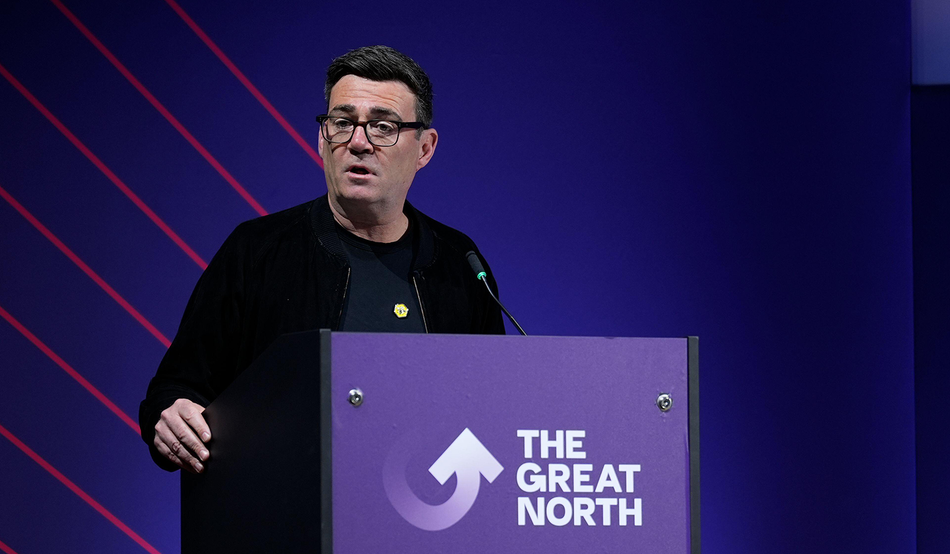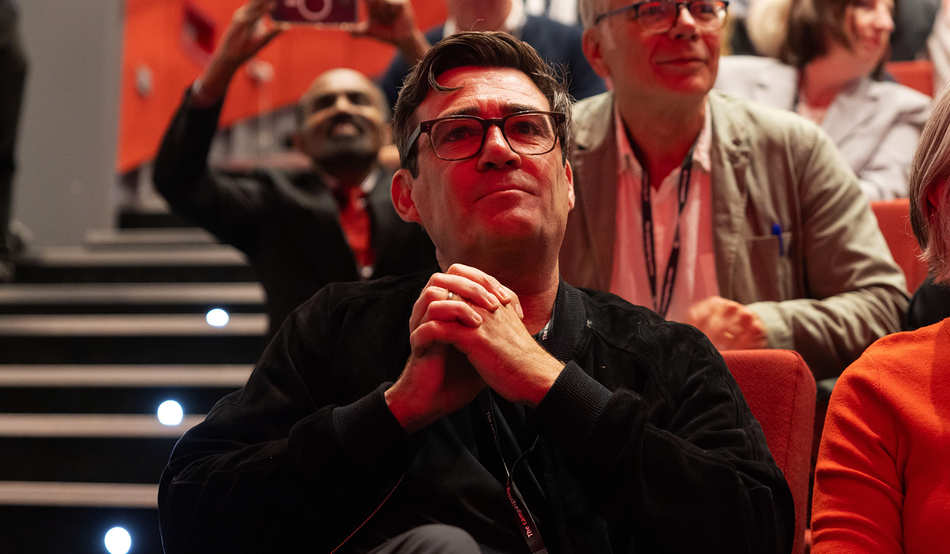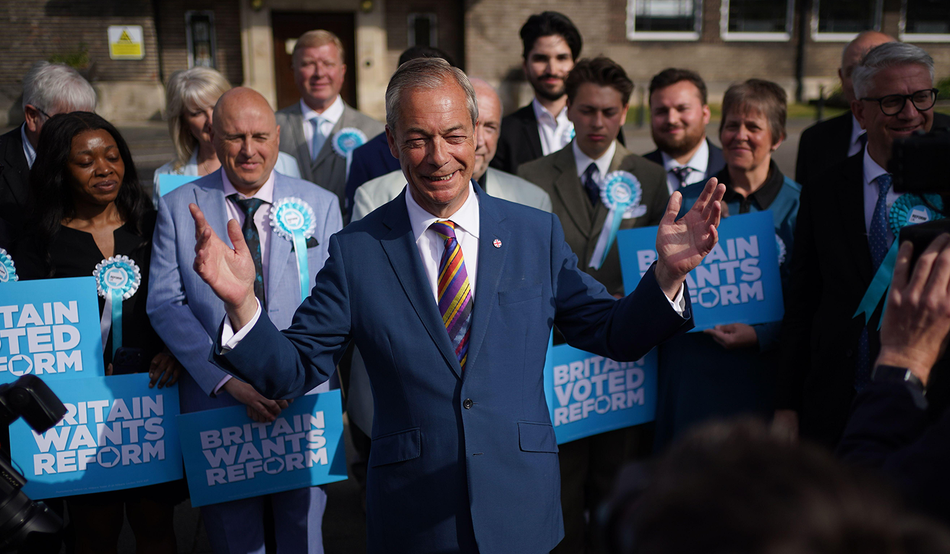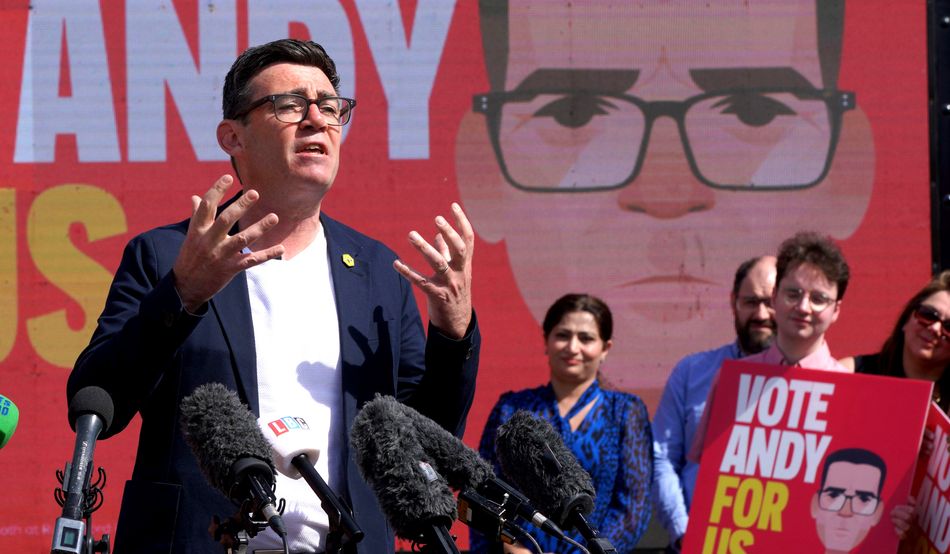
For once, the hype is valid. The Makerfield byelection really matters. If Andy Burnham wins, he probably becomes prime minister. If he loses, a Reform UK government looms large.
There have been byelections where insurgent leaders have staged dramatic victories, although none of them recent. The former Liberal prime minister, Herbert Henry Asquith, triumphed at Paisley in 1920, bidding to replace David Lloyd George as PM. Former Labour chancellor Roy Jenkins shook the political world with his near success against Labour in the 1981 Warrington byelection, having pioneered a new centrist Social Democratic Party during Margaret Thatcher’s first term. Eight months later he won at Glasgow Hillhead.
But none of these races led to an immediate change of prime minister. And in the event they were false dawns. Neither Asquith nor Jenkins served in government again, let alone in Number 10.
The closest analogy is from even further back in British political history (though not actually a byelection): the Liberal leader William Gladstone’s Midlothian campaign of 1879-80, nearly a century-and-a-half ago. Gladstone was already an MP, in opposition to Benjamin Disraeli’s arch-imperialist Tory government. He campaigned to win the most prominent Scottish Tory seat at the coming general election. This he did, becoming a prototype of Burnham’s “King of the North” after a barnstorming series of speeches and events denouncing Disraeli’s imperialist excesses.
Gladstone wasn’t immediately bidding for Number 10, another parallel between Makerfield and Midlothian. His objective, like Burnham’s today, was to seize the leadership of his own party from a weak incumbent—or rather, re-seize it, since Gladstone had resigned a few years previously as Liberal leader, thinking his career was over. After winning Midlothian, his claim to the leadership went unquestioned. Within a few days the Liberals had won that general election and he was in Number 10.
The reason for this historical soliloquy is to reinforce the historic nature of what is happening today. Westminster is now under virtual siege. On one side, a Labour prime minister who only two years ago won an emphatic election victory is now a lame duck, waiting to see who will replace him and how soon. On the other, an extreme populist party with only a handful of MPs is threatening to sweep into power against all the old established parties—Labour, Conservative and Liberal.
Furthermore, it is easily conceivable that both could happen. Burnham could replace Starmer and still lose the next election to Farage, so great is the unpopularity of Britain’s mainstream parties and leaders in the face of nearly two decades of economic stagnation and mounting discontent. Indeed, the palpable sense that old practices and institutions don’t matter becomes greater with each passing leadership crisis. If Burnham replaces Starmer in the next few weeks he will be the seventh prime minister in ten years. An eighth—and another outsider—within a further two or three years seems almost incremental, even if he is Nigel Farage, the most unconventional of the lot.
For Burnham to succeed, he therefore needs to pull off two coups in rapid succession. He has got to win Makerfield. Then he has to fundamentally relaunch and repurpose a government entering its third year of office and heading for electoral catastrophe. This is a very tall order. Even Gladstone didn’t have to revive an existing corpse.
Burnham’s record as mayor of Greater Manchester is tantalisingly ambivalent as a guide to his prospects of success as prime minister. The mayoralty is a tiny governmental office compared to Number 10, and he can’t point to much in “Manchesterism” which leads you to think he has the answer to the cost-of-living crisis. Nonetheless, out of limited powers over public transport and planning Burnham has created a strong personal brand of dynamic change. His “bee network” is highly popular, with its cheaper fares, and through integrating and promoting Greater Manchester’s buses and trams on the model of Transport for London. And Manchester’s skyline now resembles Canary Wharf more than the old industrial north.
Oh, and he has been elected mayor three times and served for nine years. So, he has survival skills of a high order, which is an indispensable requirement for life at the top, particularly in the face of Evergreen Farage—a man who has never had to combine political leadership with running a government of any description.