What’s needed, say disgruntled Labour MPs, is a “dignified departure” of today’s unpopular prime minister and an “orderly transition” to a new one.
Well, that virtually never happens. Harold Wilson’s resignation, half a century ago, is the last time a prime minister left office willingly. Every departure from Downing Street since then has been forced and often extremely messy. Here we go again.
The least “disorderly” resignations are those caused by electoral defeat, in that the process, while undignified, is at least conducted largely in public, according to well-known rules. However, only four of the eleven PMs to leave office since Wilson in 1976 have done so because they lost a general election.
Even in one of those four cases—2010, when the election result was a hung parliament—there was a chaotic, five-day period of coalition horse-trading with the Lib Dems before David Cameron replaced Gordon Brown. I was one of Brown’s ministers at the time, and a negotiator on his behalf with the Lib Dems. It was an unseemly process of sitting around while Cameron persuaded Nick Clegg to sign up to a whole raft of spending cuts and student tuition fees (which Clegg had just spent the election opposing) in return for a share of the ministerial spoils.
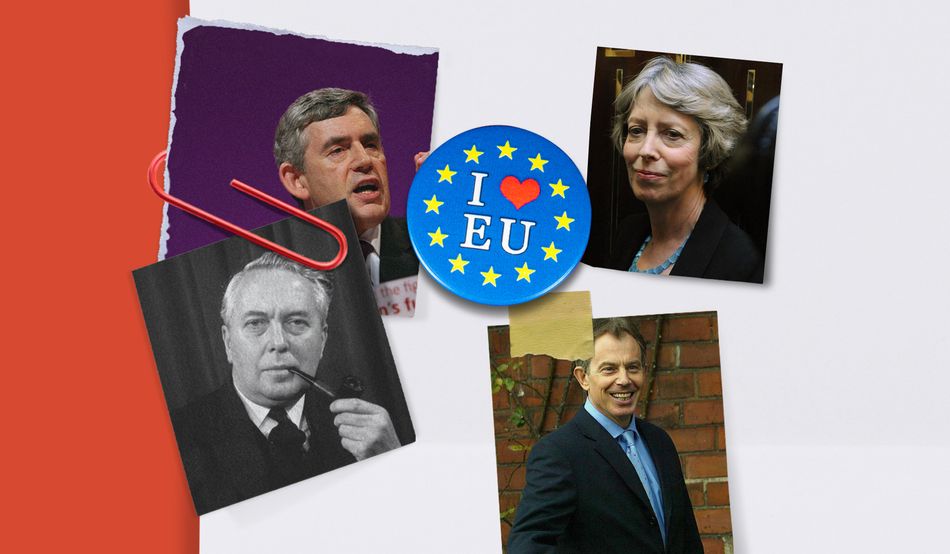
Of the seven other cases of prime ministerial resignation, the most straightforward were those where, after a crisis, the PM simply didn’t think they could carry on and resigned on their own initiative. Cameron’s resignation after losing the 2016 Brexit referendum was one such. Another was Tony Blair’s announcement in autumn 2006 that he would stand down within 12 months.
Here, too, I was a minister, and a close adviser of the outgoing PM. Blair’s announcement followed a letter-writing campaign to undermine him, instigated by disgruntled Labour MPs, which has a passing similarity to the events of recent days. The MPs in question were pawns in a power struggle between Blair and his chancellor, Gordon Brown, who was desperate to succeed to the top job after nine years in office.
At the time this appeared to be a humiliation for Blair, and it involved an extraordinarily protracted handover period of nine months before Brown took over. However, the 2006 skirmish was brief and fairly civilised because Blair didn’t in any event intend to stay in Number 10 much beyond a decade (in other words, up until May 2007). The lesson he took from Thatcher’s defenestration by rebellious Tory MPs in 1990, after 11 years in office, was that you couldn’t realistically stay on as prime minister for longer than that.
So the “Brown coup” essentially involved Blair announcing well in advance what he had decided anyway, that is when he would leave Number 10. Blair and Brown had worked closely and successfully together throughout the previous decade, winning three elections on the way, despite their well-publicised personal differences. Once the succession was agreed they continued in partnership and these last nine months in office were remarkably productive, particularly on public service reform.
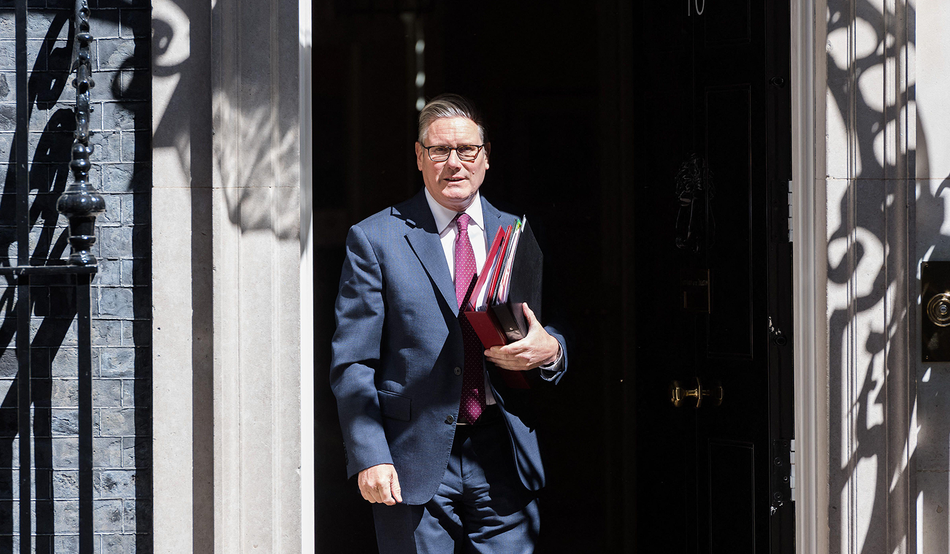
By contrast, the attempted coup against Starmer is yet another case, almost the norm since Cameron’s departure amid the Brexit turmoil, of a weak, directionless prime minister unable to reverse a deep economic crisis, and quickly becoming deeply unpopular with the public and their own MPs. May, Johnson, Truss, Sunak and now Starmer: none of them have managed to generate more than brief periods of government success and popularity, and all of them were soon engulfed in desperate attempts by their MPs to find a better leader.
If there was a clear heir apparent to Starmer, I suspect the coup would be brief and decisive. But there are at least three serious contenders for the crown, one of whom (Andy Burnham) isn’t even in parliament. So we could be in for both a lengthy battle and a protracted transition. It is hard to think of a worse prospect for the government.