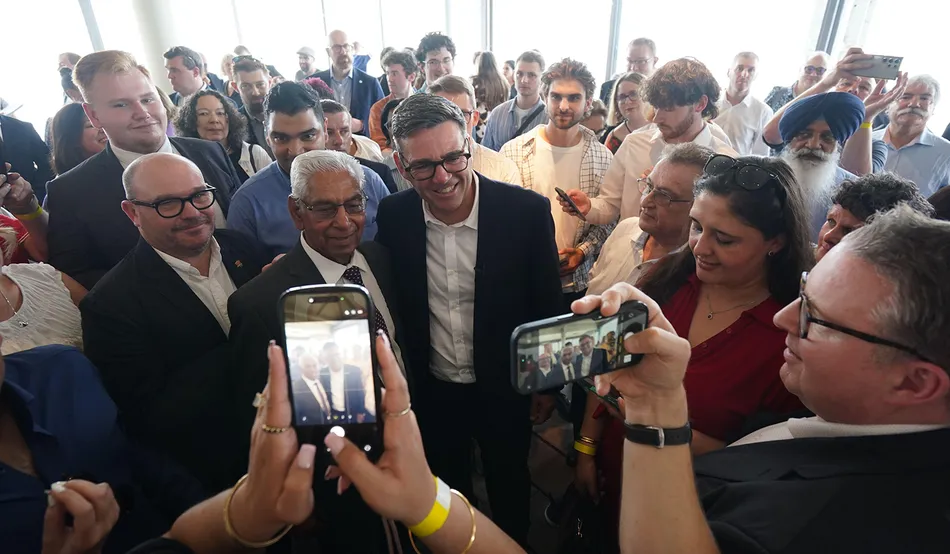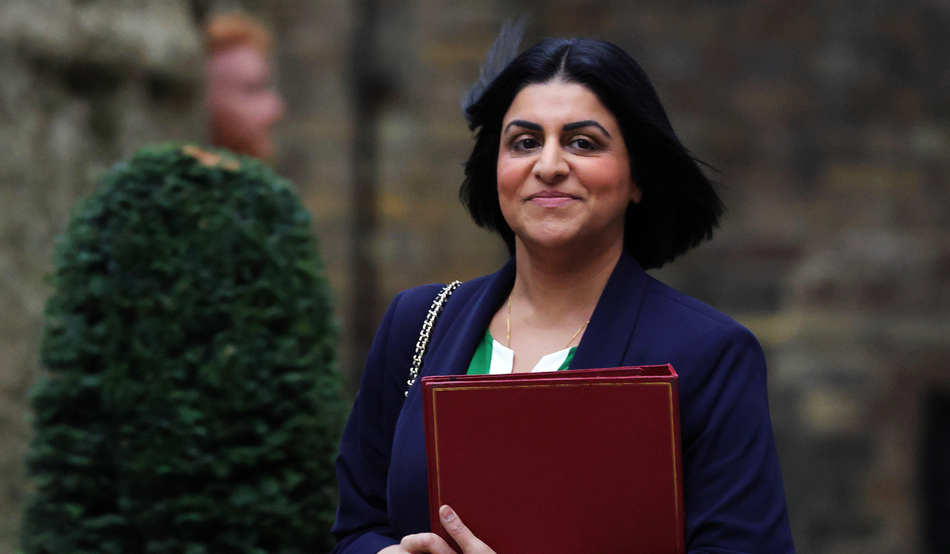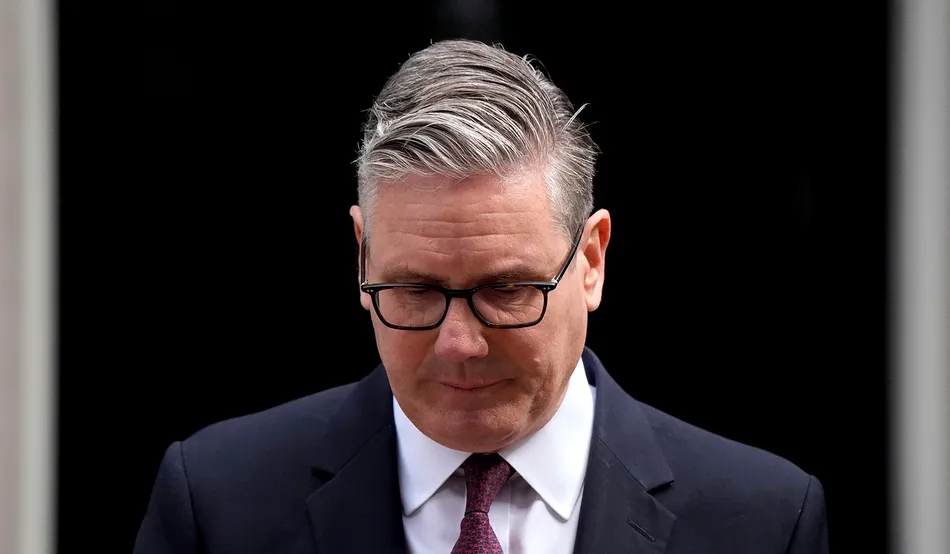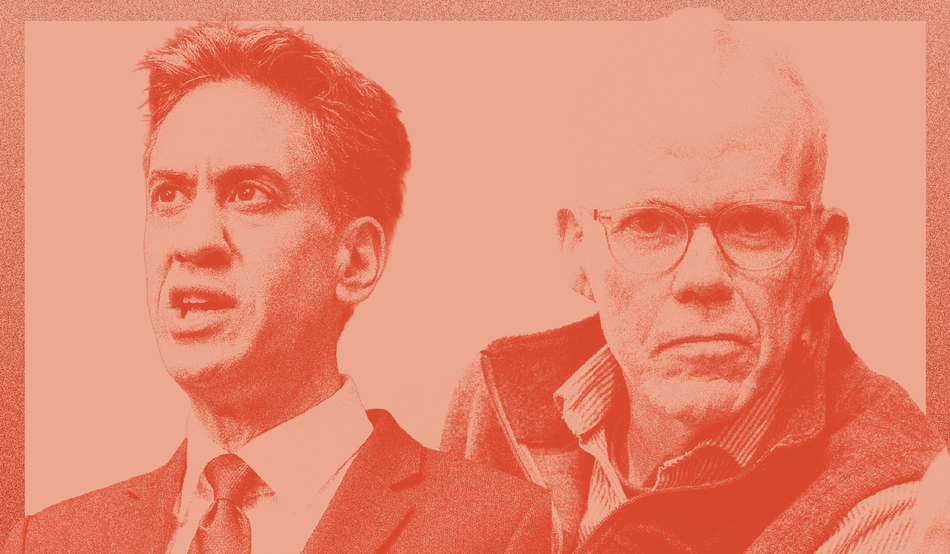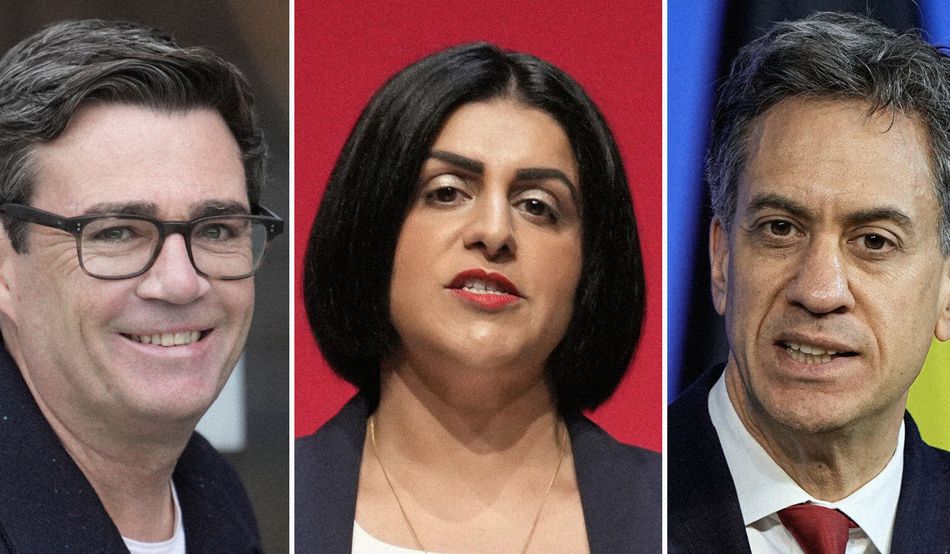
Sometimes there is so much noise that the signal cannot get through. It has been said for weeks already—ever since it became plain that Andy Burnham would be Labour’s next leader and the UK’s next prime minister—that his choice for the job of chancellor of the Exchequer would be an important signal of the manner of his government. Ed Miliband points in one direction; Shabana Mahmood or Wes Streeting in another.
Indeed, Burnham’s apparent procrastination in deciding was taken as evidence that he does not know his own mind, and that this indecision will transfer to his putative government. There are a lot of signals being read and he hasn’t even properly started yet.
Perhaps we need to pay more attention to the noise. When Burnham speaks in Downing Street, for the first time as prime minister, he will stand outside the black door of Number 10 on which is inscribed the official title of the incumbent: first lord of the Treasury. It is a reminder that the fate of prime ministers rests on the flow of money in and out of the Exchequer. It is a reminder, too, that in recent times there has been a lot more money flowing out than flowing in. The deep-lying cause of the traffic in PMs, to which Burnham will refer, is that living standards have stagnated. It is a profound and stubborn fact of economic life in the UK for the last 15 years. It is the defining problem of politics.
Hence, no matter the identity of the person who takes up the challenge of second lord of the Treasury, otherwise known as the chancellor of the Exchequer, the fundamental fact will remain the same: living standards are stuck, growth is low and public borrowing is still too high as we continue to pay the necessary costs of the pandemic. In addition, the new chancellor will inherit the foolish commitments made by his or her predecessor not to raise any of the major revenue-gathering taxes. This predicament, rather than the intellectual heritage of the new chancellor, is the real question.
This is a general truth about political life which is poorly understood. The circumstances into which politicians fall are usually a clearer indication of what they will do than their pre-ordained views of the world. Gordon Brown would not have imagined, as a radical young man, that he would spend his first two years as chancellor curbing public spending with a discipline that the Conservative party might have queried. He did it not out of ideological conviction, but because he thought political self-preservation demanded it.
Alistair Darling would hardly have gone into politics with the intention of saving the Royal Bank of Scotland from bankruptcy, but he had no option (and a very good job he did of it too). George Osborne often complained he could do nothing other than retrench the public finances after the 2008 crash. Rishi Sunak was intellectually the driest chancellor since Nigel Lawson, but he is remembered only for a vast state employment scheme during the Covid-19 pandemic.
Indeed, the one chancellor of recent times who did do exactly what he dreamt up at university—and had the connivance of the prime minister by his side—was Kwasi Kwarteng. He lasted little more than a month and his ideological nostrums proved to be a disastrously foolish way to run an economy. Kwarteng arrived at the Treasury full of conviction and his appointment by Liz Truss was a clear signal of intent. It was an almost instant calamity.
There is no comparable calamity on the horizon with any of Burnham’s options for chancellor. Ed Miliband is far too experienced a politician to fall victim to the hubris that did for Kwarteng. The point is that, for any politician who accepts the limitations imposed by the situation they are in, the facts will make them change their mind. Miliband would disappoint his supporters on the left. The difference between him as chancellor and Shabana Mahmood as chancellor would be much less marked than the Labour left would have you believe.
Andy Burnham comes to office with, as he says, hope in his heart. His hopes are mostly costly. He is right to say that social care needs to be better, but this is a cause that has foundered before on the cost. He will want his chancellor to find the money to finance his hopes, but the first lord has boxed in the second lord by recommitting to the Labour party’s restrictive manifesto, as well as ruling out any changes to the pensions triple lock.
And this is where the action will be, for this government as for any other. Perhaps the devolution of power will unleash the animal spirits of the economy and give the country the breathing space Burnham says it needs. This sentiment is rather like the desire that Keir Starmer used to express for quieter politics. They are both right; peace and quiet would be nice. The trouble is that there is still so much noise.