“Go home, pack, and put in a thin suit.” So said the brand new Labour prime minister, Clement Attlee to Hugh Dalton, the man he planned to take with him as foreign secretary to the world-shaping Potsdam peace conference with Joseph Stalin and US president Harry S Truman in 1945. A matter of hours later, however, Dalton had no need for a suitcase: he was installed in the Treasury. Meanwhile, Attlee was heading to Potsdam with the great trade union bruiser, Ernie Bevin, who had been thinking and speaking about the economy in anticipation of becoming chancellor.
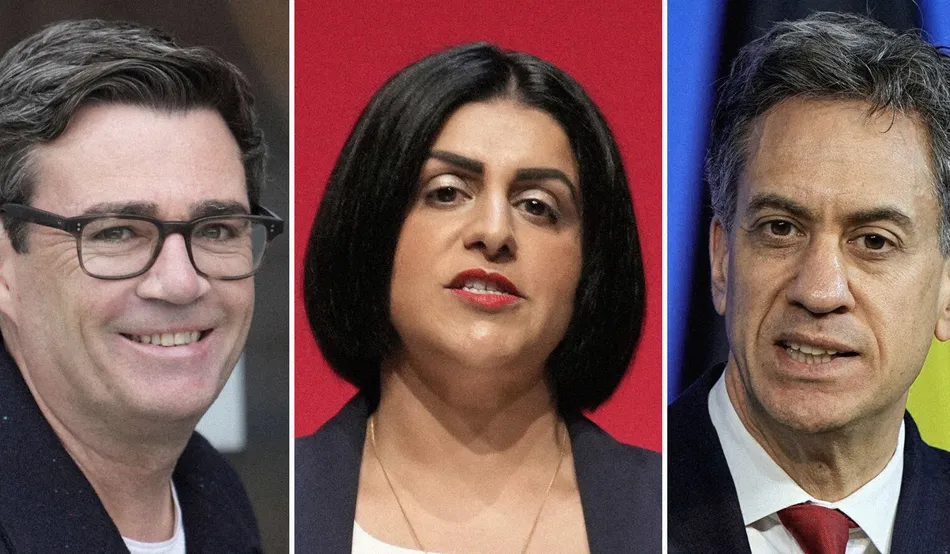
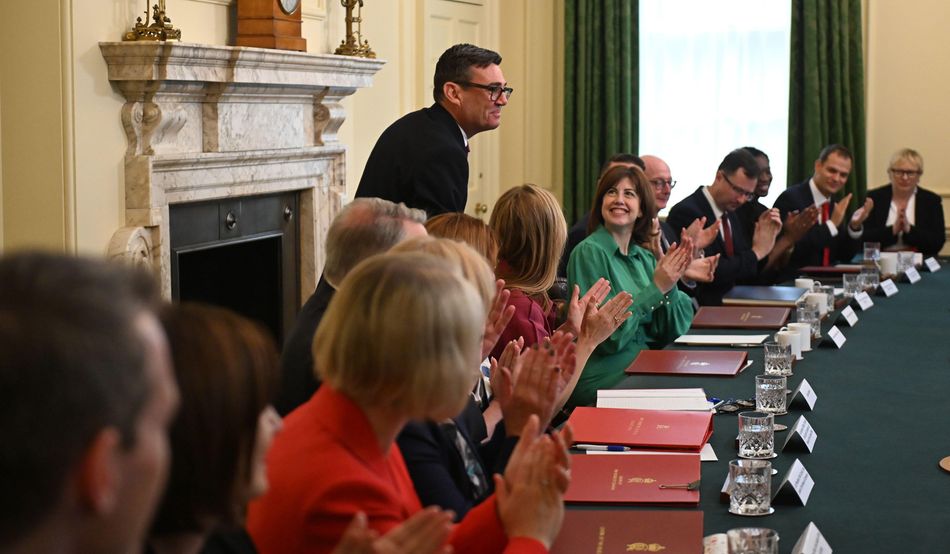
Attlee’s late swap was, on some accounts, down to a whisper from George VI, who didn’t fancy running into the tricky and self-regarding Dalton at diplomatic functions. No one would attribute Andy Burnham’s late flip of Ed Miliband from the Treasury—where he was originally rumoured to be headed in the new Cabinet—to the Foreign Office back to George’s grandson. The environmentalist Charles III would have quietly smiled on the Green New Deal agenda of Miliband, a former Chair of the Council of Economic Advisers. And no head entirely unclouded by Labour politics, crowned or uncrowned, would have thought of appointing John Healey as chancellor. Healey was entirely focused on international affairs during the six years in which he had held the defence brief under Keir Starmer, and before he resigned in June.
The unexpected can, however, play out surprisingly well. Dalton steered a course through the perilous financial straits that faced a near-bankrupt postwar economy, and at the same time raised all the revenues needed to build the new welfare state “with a song in my heart”. Bevin went on to become Britain’s most consequential 20th-century foreign secretary, a driving force behind Nato, the Council of Europe and, for better or worse, the UK’s early pursuit of an independent nuclear deterrent.
Never say never, but it seems to me that the odds are stacked strongly against similarly substantive results from Burnham’s gambit, even though the immediate politics look shrewd.
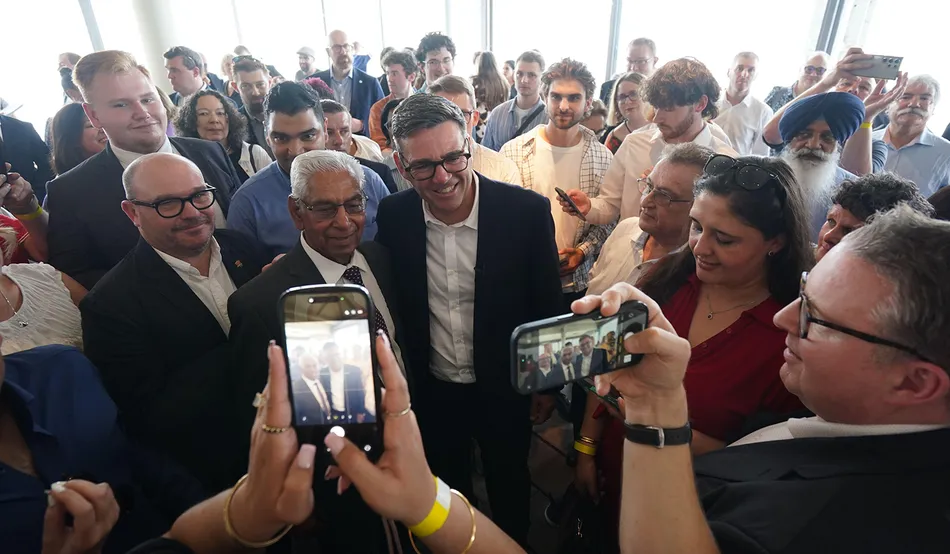
In a strong address at the door of 10 Downing Street on Monday, the new prime minister immediately showed himself to have the deft political touch his predecessor so sorely lacked. Keen to soothe the wounds not only of a divided society, but of a Labour party torn apart by civil war, Burnham dispatched with the lists of missions and milestones Starmer would drone through. Instead, he spoke of walking through the big black door and giving just one “first instruction”. Namely, to banish rough sleeping, a clear moral mission which the whole Labour family can get behind.
Increasingly frenetic briefings against Miliband from Labour factions which never forgave him for narrowly beating his brother, David, to the party leadership in 2010 had, by this week, made handing him the Exchequer detrimental to Burnham’s desire for peace and reconciliation. The Healey appointment fits more comfortably with that aim. This is especially so as it comes after late expectations that Miliband could be pipped to the post by the more divisive Shabana Mahmood.
There are additional layers of political cunning. Healey is being handed the keys to the very institution he recently threw rocks at, when he quit the government demanding more cash for defence. He charged “Treasury orthodoxy” with being a “dead hand on dynamic government”. This backstory allows Burnham to project his desired break with a failed conventional economic wisdom. It also allows him to wrap the coming rises in tax (and perhaps borrowing) in a stirring appeal for the defence of the nation. This may just reach parts of the electorate that are ordinarily doubtful of Labour’s big-spending enthusiasms.
So far, so clever. And yet all this crafty political strategy could come unstuck when it meets the hard realities facing the country. The Foreign Office job once done by Bevin no longer exists. The UK is abjectly not one of the world’s “Big Three” today in the way it could present itself as being at Potsdam (and even back then it was a stretch). Outside Europe and at the mercy of a capricious, aspiring authoritarian in Washington, whatever diplomatic influence the UK can still hope to yield will often have to be channelled by the PM himself. He is expected to take calls from his counterparts and show his face at big summits such as the G7. Miliband might hope to be an important voice in keeping climate diplomacy alive until the Trump era is over, which is a serious calling. But he won’t and wouldn’t expect to reshape international affairs in anything like the way Bevin did.
As for the Treasury, both Healey and Burnham are no doubt vaguely hoping they can align national security and economic priorities, using rearmament to create good jobs and raise working-class living standards. Starmer shared that ambition—and it wasn’t just his faltering political touch that meant he couldn’t pull it off. Despite hopeful talk of a “defence dividend”, the real payoff for the Exchequer and for living standards comes from peace.
The UK devoted roughly twice as much national income as the West Germans to the armed services in the early postwar period, and many times what the Japanese spent. The effect was not to propel our economy forward, but rather to leave it lagging the pack. Yes, there are some jobs in weapons factories, but defence expenditure is capital- rather than labour-intensive these days. More fundamentally, resources which are consumed by defence cannot be consumed (or more productively invested) elsewhere in the economy.
If the threat from Russia is grave enough, it may be that the money will simply have to be found. But attempts to pretend it can be found in ways which leave the population better off will only unravel. The tune will have to change to something more akin to the song of sacrifice heard throughout the Second World War. Other public services, as well as the benefits that the hardest-pressed families rely on, may find themselves in line. That is the sort of battering that international aid took when Starmer slashed it in order to finance the first tranche of defence ambitions which he ultimately left office without funding in full.
In any case, Healey’s full-throated insistence on plotting a clear pathway to spending 3 per cent of national income on defence by the end of the decade will make all the dilemmas facing him as an incoming chancellor harder, not easier. And however one rates Rachel Reeves’s broader record, in grasping this reality she was clear-eyed, not simply hypnotised by “Treasury orthodoxy”.
The hope must be that Burnham and Healey will soon settle on a much broader-based plan for growth, coupled with smart ideas for revenue-raisers that might ease the dilemmas that Reeves and Starmer couldn’t settle to anyone’s satisfaction. A strong army and strong public finances may both be nice things to have, but that doesn’t mean they can support each other. More likely, the incoming government will find itself struggling—just like the last one did—with a rather painful trade-off between the two.