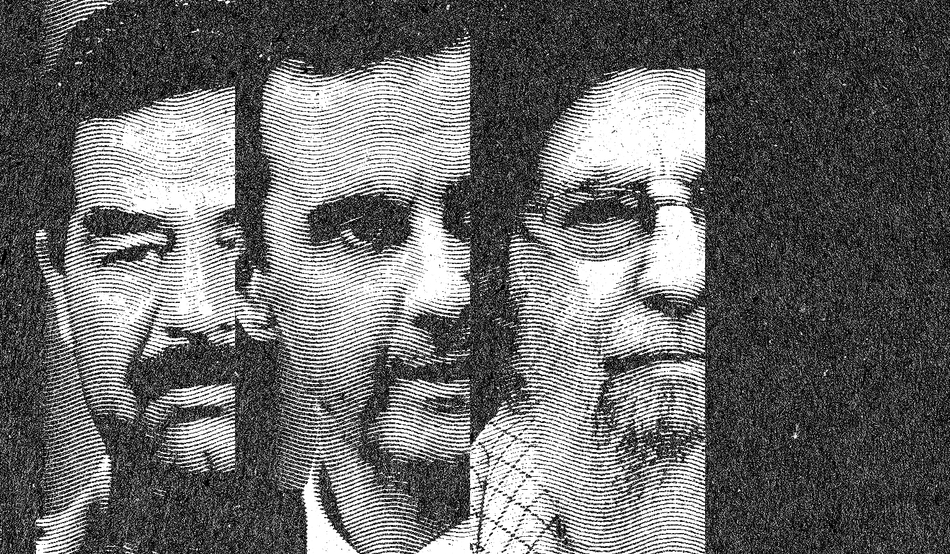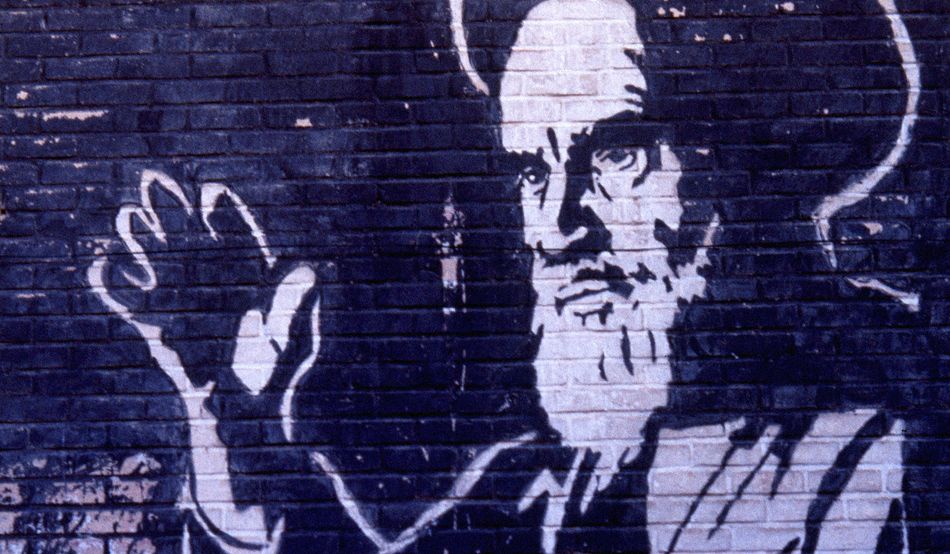
The flames of a war that many Iranian advocates of democracy and opponents of military intervention had for many years warned about have been ignited. In an ironic twist, its first victim was the Supreme Leader of the Islamic Republic, who long believed that such a war would never occur and that negotiations with the outside world were unnecessary. In doing so, he kept the Iranian nation suspended in a limbo of neither peace nor war for more than 36 years. He was, of course, continuing the destructive policies of anti-westernism and political Islam that, in the immediate aftermath of the 1979 revolution, produced the disaster of the occupation of the US embassy by militants and a year-long hostage crisis.
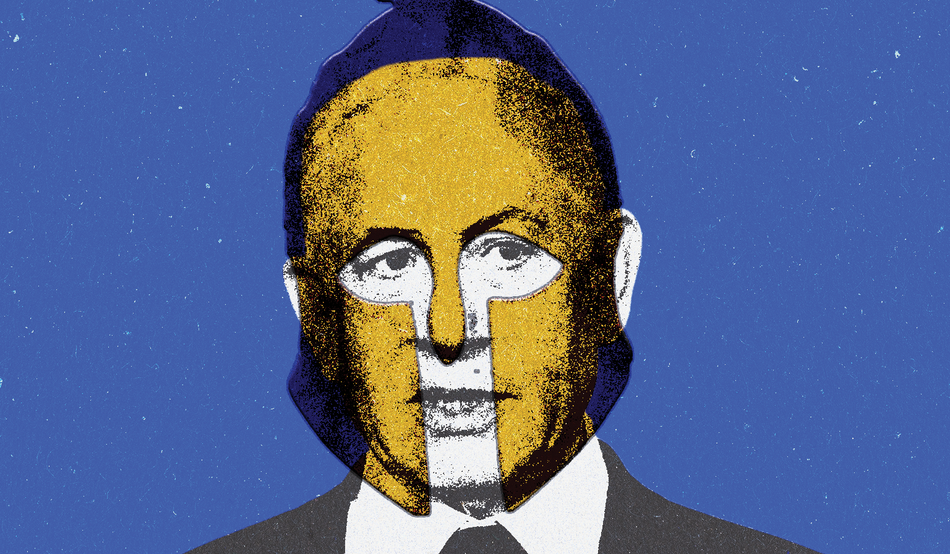
Ali Khamenei was a leader who, when confronted with various social movements and national demands, such as free elections, the normalisation of foreign relations, and the abolition of compulsory hijab, was never willing to make even the slightest concession, or to engage in dialogue with his own people. He tolerated neither national opposition nor dissenting voices. Today, that leader and some of his most important commanders, advisers and henchmen are dead, yet they have left behind an insecure nation under bombardment. This outcome is the direct result of years of confrontation, adventurism and disregard for the will of the people. Perhaps the final legacy Khamenei sought to leave was to turn his theocratic rule into a hereditary dynasty for his favoured son, Mojtaba, a shadowy figure linked to some of the regime’s harshest repression and scarcely known to the Iranian public, the outside world or even much of the regime’s own elite.
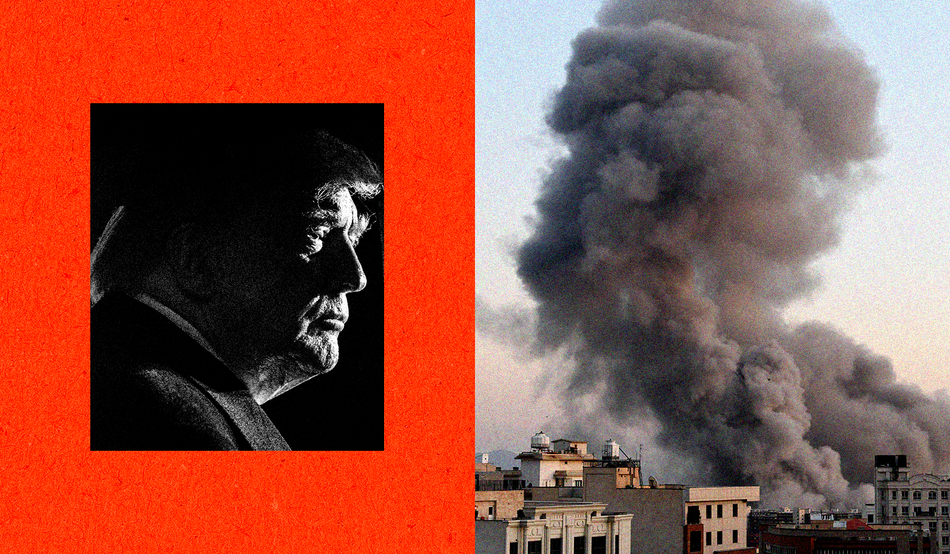
The conflict now underway will ultimately bring nothing but destruction and instability to Iran. At the same time, the governments of the United States and Israel, which have attacked Iran, must understand that the same people who celebrated the death of a hated autocratic ruler in the streets will raise their voices in protest if the current conflict becomes a serious threat to Iran’s territorial integrity and its sovereignty. They will not accept the label of a “liberation operation” for this attack under such circumstances.
A war that destroys the infrastructure, resources and assets of the Iranian people will not open a window to a better future; rather, it will further darken prospects for peace and reconstruction. When bombs fall on civilians, civil and political efforts aimed at advancing democracy and human rights become impossible. A lasting peace between the parties to this conflict—and, more broadly, across the region—will only be possible when Iran moves toward establishing a democratic government, guaranteeing citizens’ rights, and normalising relations with the wider world on the basis of legitimate national interests.
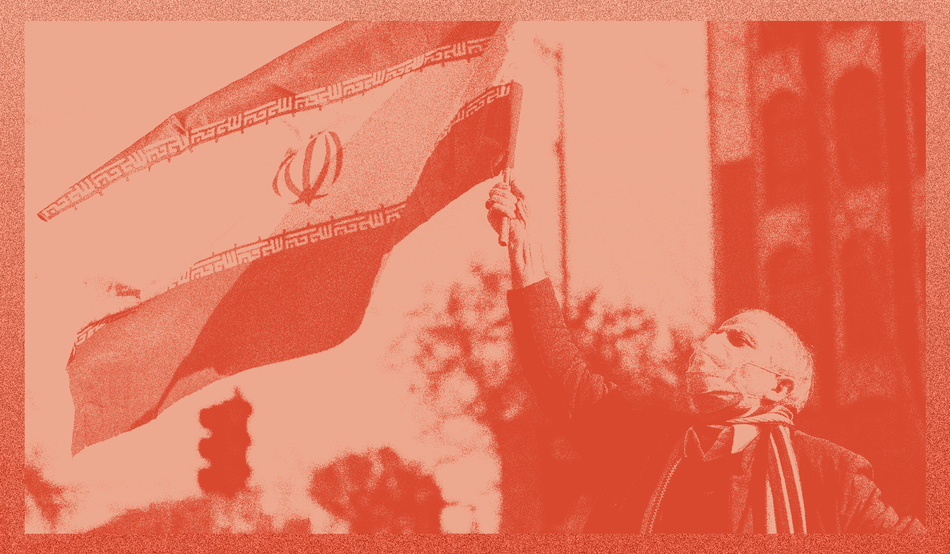
What’s left of the current system has little chance of returning to the previous status quo, unless it manages to reach a temporary compromise with the US, thereby buying time to suppress opponents and consolidate its authoritarian rule. Attempts to rebuild authority under the existing system and constitution are largely futile, however. History in Iran is turning a new page. Iranian society has already demonstrated its determination to move beyond this political order, most recently during widespread protests two months ago, which led to the mass killing of demonstrators, and which many observers described as crimes against humanity.
It is therefore in the interest of all parties involved in this war, including the Trump administration and what remains of the Islamic Republic’s regime, to open the way for a political transition in Iran that would lead to genuine democracy worthy of the Iranian people. This is the only path toward an honourable end to the war and the achievement of lasting peace in the region.
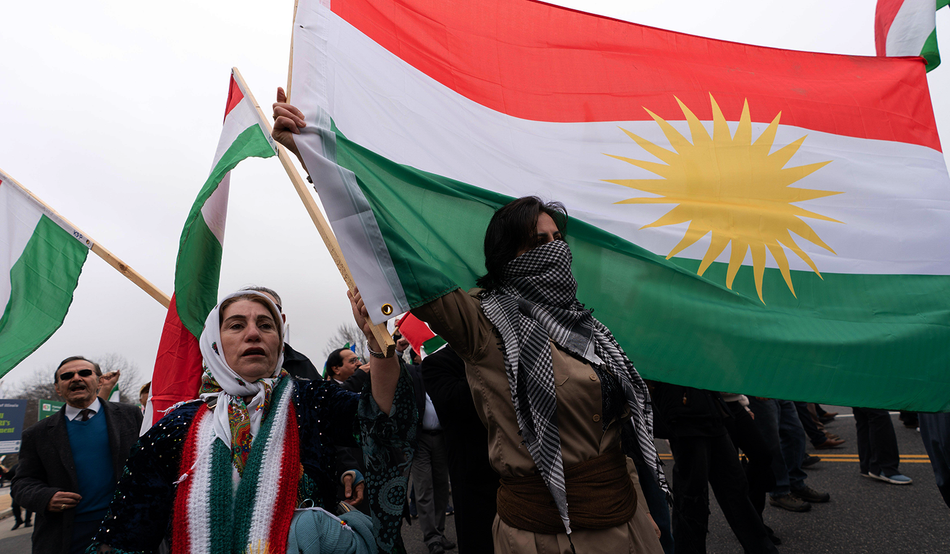
Such a democratic transition should take place through a national referendum and the creation of an inclusive constitutional assembly composed of authentic representatives of the nation. All political tendencies, ethnic groups and religious minorities should be included. This body would draft and adopt a new constitution grounded in individual rights and a peaceful, development-oriented foreign policy. Otherwise, as Iran’s civic infrastructure is further destroyed, the country risks becoming a battlefield for endless, destabilising struggles among ideological extremists. Hundreds of thousands of them have already been armed by the remnants of the incumbent regime as loyalists of the government.
Such an Iran would be in no one’s interest.