There is a comforting fiction at the heart of foreign policy: that atrocities erupt suddenly, defeating even vigilant governments. They do not. Long before mass graves, there are lists. Long before forced displacement, there is the language that makes neighbours into vermin or traitors. Institutions are hollowed out; independent voices are silenced; minorities are marked, monitored and stripped of rights. By the time violence commands the world’s attention, the architecture of oppression may already be complete.
This is why prediction matters. Not prediction as clairvoyance, but as disciplined public administration. This comprises gathering evidence, testing risk, listening to those closest to danger and deciding when information must be escalated to decisionmakers. The UK possesses databases, diplomatic reporting, intelligence, open-source analysis and increasingly sophisticated machine-learning tools. Yet the Atrocity Crimes Review, published today, which is drafted by members of the Standing Group on Atrocity Crimes, which I chair, finds that this system remains opaque, inconsistently triggered and too closely tied to conflict analysis. That is a serious error. Atrocities can unfold in peacetime, through incarceration, forced labour, surveillance, organised persecution or the destruction of civic life. A framework designed principally to spot war will miss grotesque violence that has not yet, or may not, become one.
The legal threshold is not certainty. Under the Genocide Convention, for instance, the duty to prevent arises when a state learns—or should have learned—of a serious risk. This “constructive knowledge” standard requires government to look, not look away. Britain needs published criteria for deciding which situations are assessed and to clear triggers for updating assessments, as well as ensuring a reliable route from an embassy or specialist team to senior ministers. Transparency need not expose intelligence. It can reveal whether there is a process, whether it is applied consistently and whether a warning led to a decision. We know this did not happen in respect of the atrocities of 7th October in Israel, nor regarding the subsequent (and ongoing) atrocities in Gaza.
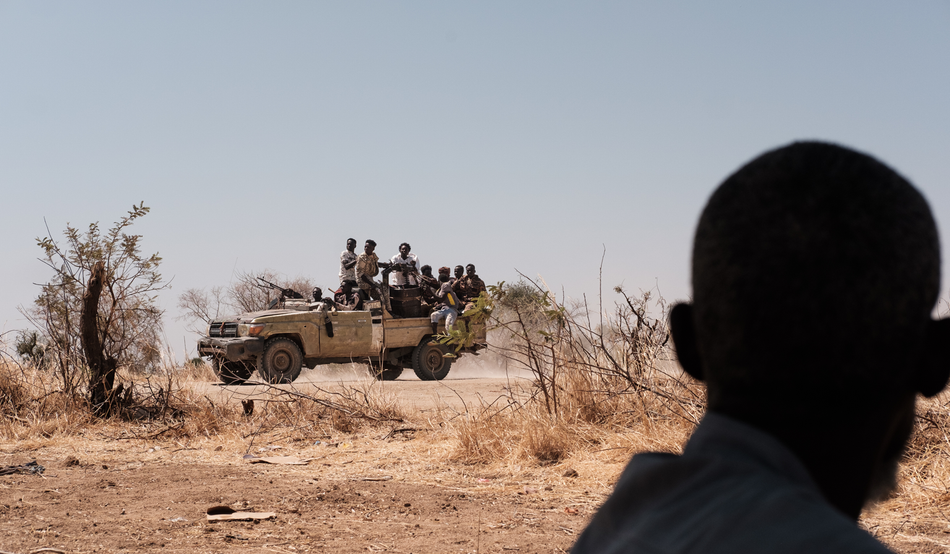
Those decisions will be better if government listens to people living with the risk. In Sudan, threats differ from community to community; an aggregate national picture can conceal who is being targeted, by whom and how quickly danger is changing. Survivors, local civil society and human rights defenders often see the pattern first. Artificial intelligence may help identify sudden changes in hate speech, forced movement or attacks on civilian infrastructure. But the same technologies can industrialise surveillance, discrimination and disinformation. Prediction must therefore combine technical capacity with human judgement, local trust and safeguards against bias.
Warning, however, is worthless unless it leads to action or changes policy. Prevention is not a single diplomatic démarche. It may require arms licences to be reviewed, visas restricted, assets frozen, trade relationships examined, evidence preserved or protective deployments supported. These powers sit across Whitehall, yet atrocity work remains too easily confined to the Foreign Office and is too often subordinated to short-term diplomatic convenience. A serious system would give a minister clear responsibility, establish a central coordinating function and require departments to record how identified risks affect their decisions.
Response is usually discussed as what happens after prevention has failed, but that is too narrow. For survivors, justice rarely means prosecution alone. Yazidi survivors have prioritised finding missing relatives and identifying remains, as well as achieving security, reconstruction and reparations. Rohingya communities have spoken of citizenship, compensation and protection from renewed violence. A credible response must begin with their needs, namely stopping the continuing harm, preserving evidence, restoring rights and creating guarantees that crimes will not recur.
The UK’s powers of response are also less complete than its reputation suggests. Its courts cannot prosecute a foreign national or non-resident for genocide, crimes against humanity or most war crimes committed abroad, even if that person enters the country (this is because current universal jurisdiction laws in the UK impose nationality and/or residency requirements, whereas countries such as Germany and the Netherlands do not). The specialist police team receives substantial referrals without a ring-fenced budget. Companies may finance, equip or profit from atrocities, while direct corporate liability for international crimes remains uncertain. Goods linked to forced labour continue to reach British markets because disclosure duties are weak and there is no modern, comprehensive import ban.
Closing those gaps is not simply retrospective. Structural investigations can expose chains of command before suspects arrive in the UK. Properly targeted and enforced sanctions can disrupt the financiers, suppliers and political networks that sustain violence. Mandatory due diligence of suppy chains can deny perpetrators commercial benefit. Lawful mechanisms for recovering assets can fund reparations and reconstruction. Accountability can deter repetition; reparations can rebuild the security and civic trust on which prevention depends. Response, done properly, completes the cycle of prevention.
What is needed is not another promise that the UK will care when the evidence becomes unbearable, but a continuous national architecture, incorporating monitoring of atrocities; independent and survivor-informed advice; clear escalation; coordinated preventive tools; and a response that joins protection, justice and repair. Parliament should receive regular reports. Specialist capacity should be protected rather than repeatedly improvised. Overseas posts should know what to watch for, whom to call and what action can follow. And something akin to our Standing Group should have an independent statutory role to advise government on the risks of atrocities and how to respond.
The UK cannot prevent every crime. Nor can law substitute for political courage. But governments are responsible for the systems they choose to build—and for the warnings those systems fail to hear. And what is missed has direct consequences for British citizens as the crimes in Ukraine, Palestine and Iran continue to show.
Atrocity policy should not begin at the moment of catastrophe and end with a statement of condemnation. It should begin with the first signs of organised exclusion, continue through every available act of prevention and endure until survivors are safe and the conditions for recurrence have been dismantled. “Never again” will remain an empty refrain until prediction, prevention and response become one unbroken duty.