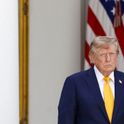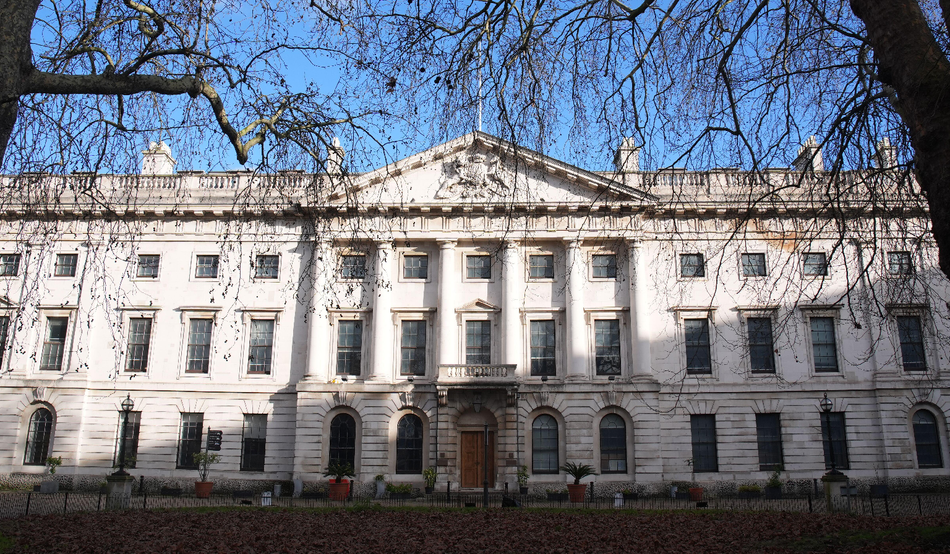
Is the west and the wider global order disintegrating? Is it going through a transitional crisis? Or is it simply fatigued by an excess of social media posts from Donald Trump? That is the big question on which Mark Carney and Keir Starmer, leaders of two of the west’s foremost “middle powers”, are diverging sharply in public.
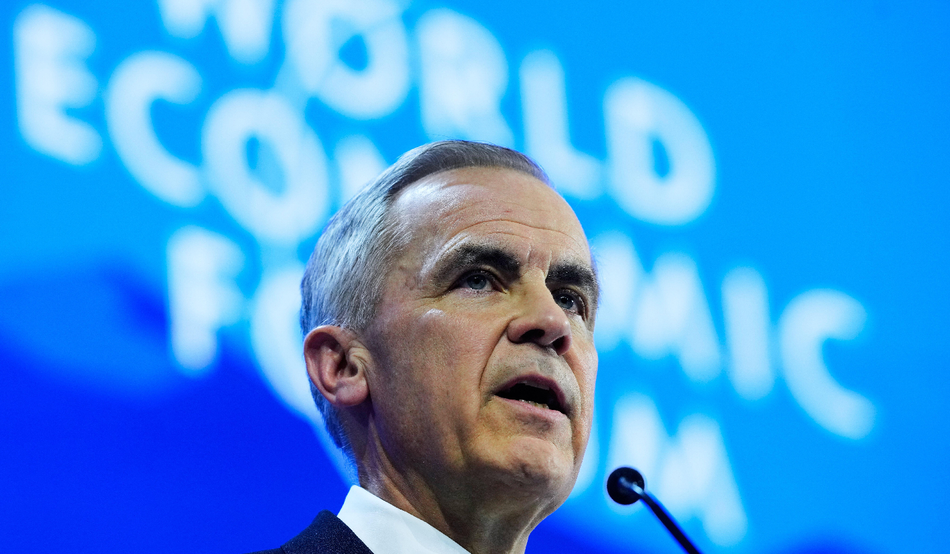
At Davos last week, Carney claimed that such powers—including Canada and the UK—faced a “rupture not a transition” as “powerful nations”—read Trump’s US and Xi’s China—ramp up economic coercion to pursue their narrow self-interest. Faced with this collapse in the “old world order”, he urged fellow middle powers to club together to protect their territory, sovereignty and democracy.
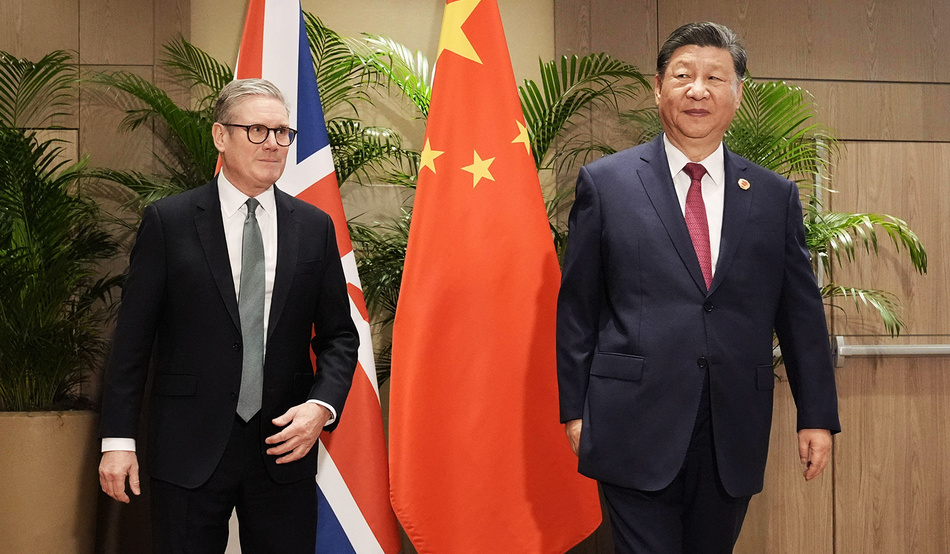
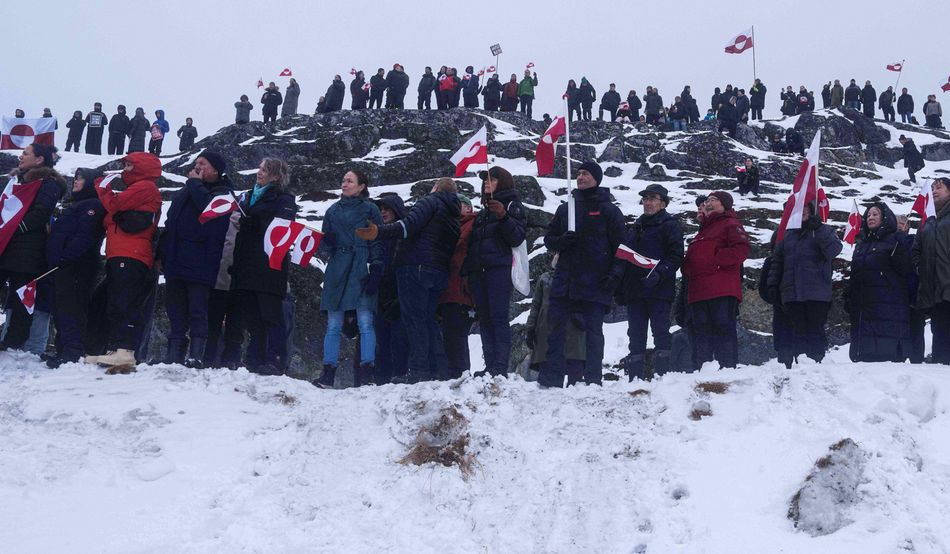
Starmer, by contrast, rejects the language of “rupture” and acts as if it were business as usual with both Trump and Xi. With almost zombie-like unflappability, he was last week patiently defusing the latest Trump threat of a trade war (over Greenland). This week he is in China with no drama and a public agenda consisting of little beyond warm words about trade promotion and a mutual agreement on the location and modernisation of embassies in London and Beijing.
The biggest and most successful club of middle powers is the European Union, which Carney would doubtless like Canada to join if it were geographically possible. Starmer is playing that one cool too, with no dramatic moves to reverse Brexit. He still maintains a red line against even rejoining the customs union, let alone the EU.
So who is right? And does it matter?
In terms of what the US and China are actually doing, the “rupture” Carney speaks of is more an expression of his fears than an accurate description of reality. We have not yet reached an international breakdown on the level of 1914 or even 1938-9. Neither superpower has invaded any of its neighbours, despite bellicose rhetoric regarding Greenland and Taiwan. Nor has there been a rupture in trade by either the US or China, for all the aggravated language about tariffs, dumping and retaliation.
In both cases the situation is one of heightened tension but not war or any of the steps—such as economic blockade—which are proximate to it. Tellingly, before going to Davos, Carney was in Beijing successfully negotiating a new trade treaty for Canada, and he is in constant negotiations with the US. Despite some new tariffs, the US-Canada situation is a very long way from economic or diplomatic breakdown.
To understand real “rupture”, we need look no further than Russia, a middle power engaged in systematic military and economic conflict with European neighbours. Neither Trump nor Xi are on a par with Putin when it comes to military aggression and/or disregard for their domestic economy and living standards.
For those who don’t know their history, it is important to emphasise that Trump and Xi, however problematic, are nothing like as great a menace to Europe as Stalin was after 1945 or even Brezhnev in the 1970s. Across the eight decades since the end of the Second World War, there never was a golden age for middle-sized democracies. Before the rise of China, Europe and Asia had to contend with a Soviet Union which for most of its existence—including during the Cold War—was an occupying or threatening power across the whole of Europe.
As for the US, America’s military isolation and economic autarky before the Second World War was far more damaging to the west than anything Trump has yet done. We must be careful what we wish for.