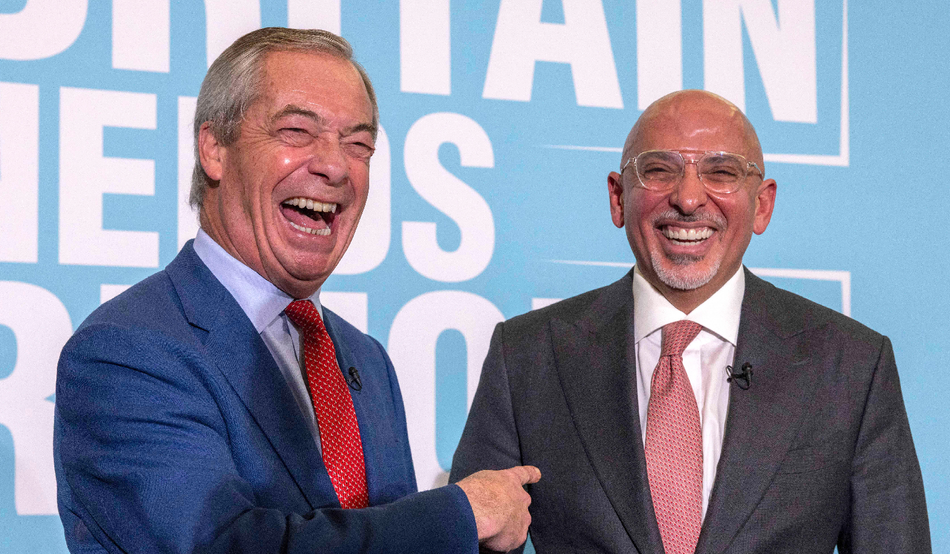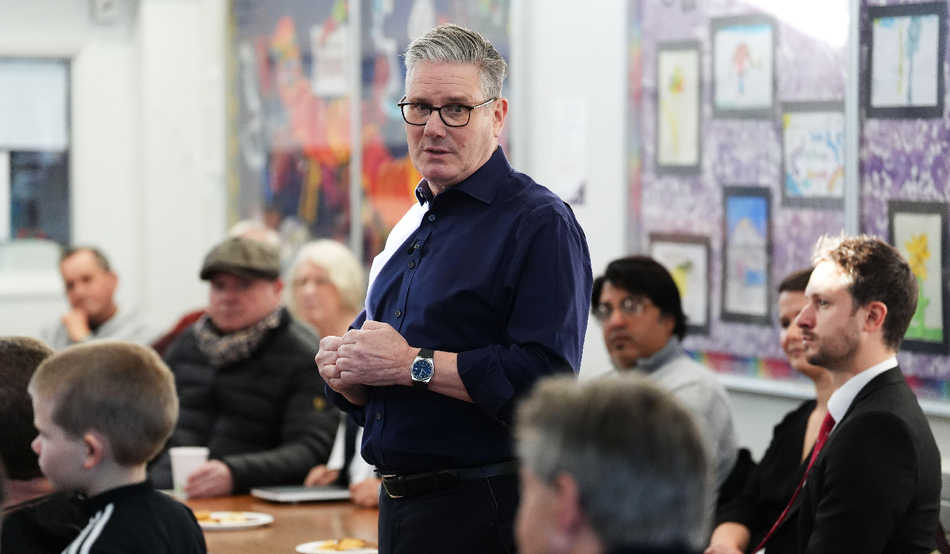
British politicians have been attempting an impossible magic trick. Decked out in the proverbial top hat and cape, with gleaming smile and arched brow, they have tried to saw political debate in half. On one side is the boring, traditional bread and butter of politics: taxes, spending, economic policy. On the other, there is the exciting fervour of culture war politics: immigration, woke, Brexit.
But the UK’s culture wars cannot be cleanly cut away from the health of the British economy. Few now deny that Brexit has visibly harmed growth. The viability of the UK’s fiscal balance depends on immigration. A decade of culture war populism has been accompanied by a decade of economic stagnation.
Culture wars are hard to quit. In the 18 months since the 2024 general election, the Labour government has witlessly fuelled such fires—usually on the socially authoritarian part of the political spectrum. The result has been Reform leading the polls and a wholesale fracturing of support on the left and centre between Labour, the Lib Dems and increasingly the Greens.
I have been analysing the most recent release of the British Election Study (BES), conducted in May last year, as Reform rose to its current peak. For 60 years, after every election, the BES has asked tens of thousands of Britons for their attitudes on economic issues like “do ordinary working people get their fair share of the nation’s wealth?” and cultural ones like “should schools teach children to obey authority?” With some statistical wizardry, this data reveals the average economic and cultural views of people who support different parties.
What do we learn from the latest survey? The “left bloc” of British politics is unified on economics but split over cultural issues among and within parties. For example, Green voters are more socially liberal than Labour ones, and more educated Labour voters are more socially liberal than less educated Labour voters.
By contrast the “right bloc” of British parties—the Conservatives and Reform—are unified around authoritarian social attitudes. What they are split on is the economy. Conservative voters are more, well… conservative than Reform voters. And more educated Reform voters are more Thatcherite than less educated Reform voters, who look much like Labour voters in their economic views—just with a greater predilection for hanging.
Given this breakdown of British voters, what (at the time of writing) are the leaders of our two largest parties doing? Still hammering on about immigration and thereby making ever more salient the cultural dimension of British politics.
Labour has developed a tic of blurting out “open borders experiment”. To wit, when anti-immigration “hardman” Robert Jenrick joined Reform, Labour’s response was to criticise him for having let in too many immigrants. This kind of authoritarian cosplay does not help Labour. The left bloc of parties and Labour itself are split on social issues—so this simply galvanises people on one side of that divide to join the Greens and Lib Dems, while opening a schism within Labour itself.
Focusing on cultural politics also harms the Conservatives. When they were the dominant force on the right, it made sense for the party as a unifying device. But now that they trail Reform, the more the Tories highlight cultural issues, the more they emphasise Reform’s defining issue, thereby encouraging Conservative voters to jump ship.
The economy thus provides a salve to both Labour and Conservative woes. Leading on economic issues unifies the left, potentially bringing voters in behind Labour. And it divides the right, particularly Reform voters, potentially drawing them back into the Conservative fold.
There are signs that the team behind Kemi Badenoch has finally figured this out. Her well-received conference speech called for ending stamp duty—a classic economic policy offer. Her shadow chancellor, Mel Stride, has argued strongly for protecting the Office for Budget Responsibility. There is fertile ground for the Tories to remind people that, for all their many recent missteps, the party has traditionally been viewed as the home of boring, sensible economic policy. Especially if the Conservatives can finally defenestrate Liz Truss.
It is true that Badenoch herself appears much more interested in anti-woke posturing than tax policy. But this also means that few voters would mistake her for a socially liberal George Osborne type if she does decide to major on the economy. It may not be enough to win the 2029 election, but it might suffice to keep the Conservatives in place as the major party of the right.
And what about Labour? The leadership’s decision-making appears to be driven by internecine battles to neuter its left flank on social and economic issues. And there is little by way of coherent economic storytelling.
The opening is there, however. According to recent work by the Joseph Rowntree Foundation, Labour’s “electoral foundation” is economic security. As voters feel more economically insecure, they are abandoning the government—and then their cultural preferences determine whether they head towards Reform or the Greens. Labour headlining on immigration only intensifies this dash for the exits.
But as our magician will discover, you can’t divorce economic issues from cultural ones in order to focus on the latter alone. If Labour can anchor policy and rhetoric on the economy, the party can make voters feel more secure, unify the left and divide the right. As that hoary adage goes: it’s the economy, Starmer.