Those described as “Westminster watchers” are mostly just that—they glance at the braying tribes at PMQs, and keep half an ear out for the odd line of invective that produces a particular jeer. It is much rarer to truly listen to parliamentary speeches. This is understandable. Most of the contributions to what pass for debates these days consist of cripplingly cautious “lines to take” from the dispatch box, palpably synthetic rage from the opposition, or (worst of all) scripted sycophancy from the backbenches. Having edited a book of great speeches, I can confirm that very little of what we hear in the Commons now would make the cut.
Occasionally, however, an MP offers words that stick in the mind. I can, for example, still quote from memory the cricketing metaphor with which Geoffrey Howe precipitated the fall of Thatcher, the Second World War memories put to pacifist purposes by Tony Benn, the more zealous lines with which Tony Blair pressed the case for going into Iraq and the forensic restraint with which Robin Cook insisted the 2003 invasion would be folly.
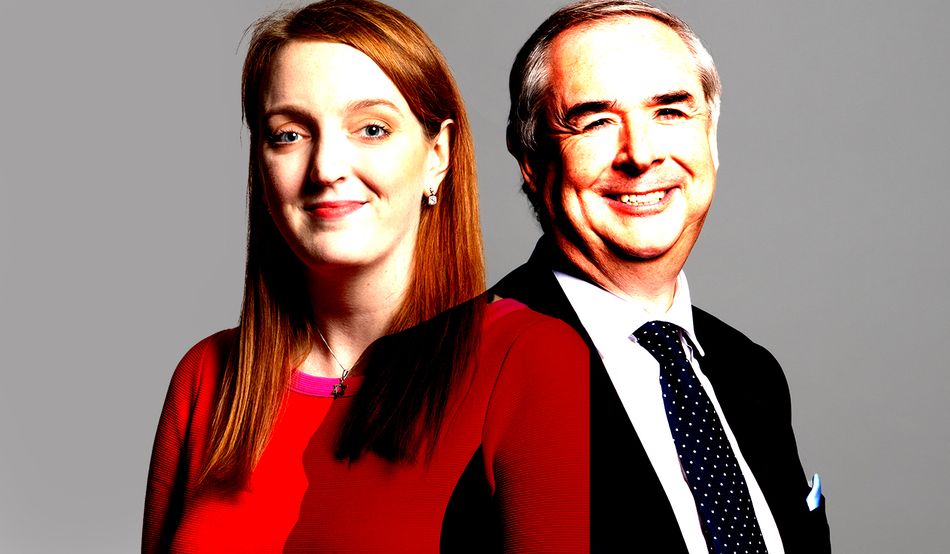
But this week, most unusually, a single debate produced two remarkable speeches. At issue was the government’s plan to restrict trial by jury. One came from Labour backbencher Charlotte Nichols, who bravely revealed that she had—while an MP—been raped, an experience that triggered PTSD and then “my sectioning for my own safety”. She relayed to her temporarily silenced colleagues the “agony” of the 1,088 days she had to wait to go to court, but then also her resentment that victims facing delays like she did were being “ventriloquised” by ministers in support of a particular solution that she rejected (namely, the cutting back of costly jury trials to try to speed through the courts backlog).
The other notable oration came in the Welsh baritone of the former Tory attorney general, Geoffrey Cox. He wrapped his case for juries in words reminiscent of Rumpole of the Bailey’s courtroom speeches about the golden thread running through 1,000 years of British justice, adding topical twists about the jury as our last best hope of arresting ruinous distrust of institutions. Above all, he grounded his argument in long experience at the bar. Cox rose above partisanship, and the controversies in which he has personally been embroiled, by rattling off the names of senior Labour lawyers—Peter Archer, John Morris, Bob Marshall-Andrews—with whom he had worked on cases. They would, he insisted, “never have countenanced” the “compromise of principle” that today’s Labour ministers proposed.
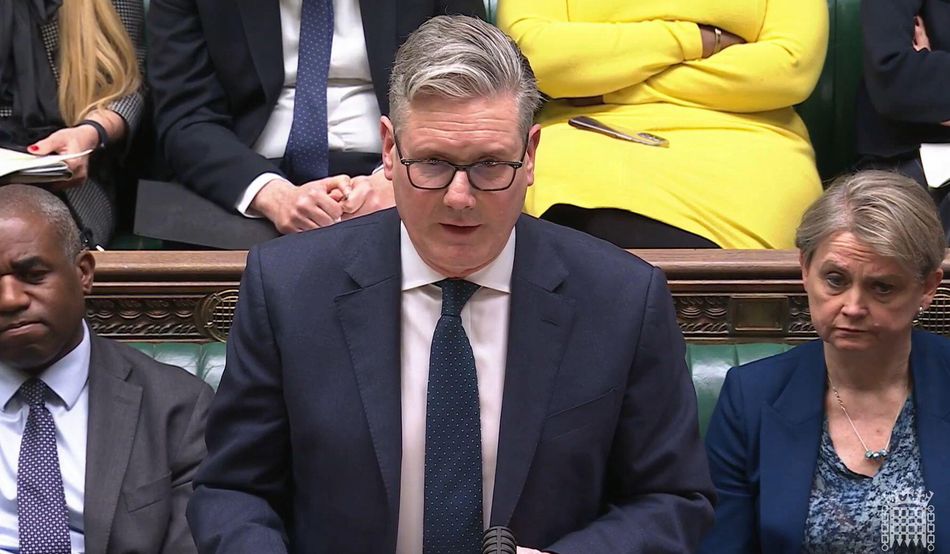
This a particularly stinging line of criticism for the government bench, given that Keir Starmer was once a particularly eminent Labour lawyer. And the responsible secretary of state who was being forced to sit and listen was David Lammy, another barrister. Lammy, as Cox mercilessly pointed out, built a reputation as a champion of the “oppressed… facing the full phalanx of the state arraigned against them”—people, in other words, who might very well benefit from being tried by a jury of their peers.
Great speeches always rely on a mix of ingredients. The ancient Greeks thought in terms of balancing three things: pathos (emotion), logos (argument) and ethos (character and experience). The historic speeches I mentioned above struck different balances—Robin Cook, for example, was more logos than pathos, whereas Blair’s scary warnings of rerunning Munich tilted the other way. Pathos wouldn’t have been hard to work into the jury debate: desperate victims put in limbo by log-jammed courts, or blameless suspects denied the right to be judged by their peers. Dry-as-dust “logos” could equally have been been deployed in favour of jury trials—or indeed for rationalising their use on efficiency grounds. But what was so remarkable about the speeches of Nichols and Cox was ethos. Both drew on their first-hand experience, claiming a special authority to make a memorable case.
One can imagine how Lammy or Starmer might once have spoken compellingly of innocent clients spared jail only because a jury of ordinary people gave them a fair hearing when the establishment had ceased to listen. But the bureaucratic duty to find efficiencies overwhelms any insight from Starmer and Lammy’s pre-political perspective in the debate over juries. This isn’t unusual. Save in cases of exceptional fortune or political gift, leaders always rise to a point where what they say is more determined by the position they hold than by the person they used to be. That explains why authenticity is the most sought after—and most elusive—quality in politics.
Is there any route back to “ethos” for Starmer? Could he still draw on the standing he enjoyed in his pre-political life to make a persuasive speech? It is difficult, especially when, as Wednesday’s Peter Mandelson document releases underlined anew, he has sometimes got close to characters with little ethos and made decisions that Starmer the upright campaigning lawyer would have disapproved of. It is difficult too because, as I’ve written before, the Starmer administration has seemed almost pathologically bent on winding up precisely the kind of person that Starmer used to be.
Still, with his liberal-baiting aide Morgan McSweeney now departed, there might be an opportunity for the prime minister to draw on the virtues of his earlier self. Back in 2003 he wrote in the Guardian that the Iraq war was likely unlawful. Right now, he is walking a delicate line about another unlawful American war of choice in the Middle East. Events and the temptation of hugging Washington close could draw him towards involvement (and arguably they already are). If Starmer can keep the UK clear of the Iran war then, when this mess is over, we could start hearing him draw more heavily on who he used to be. And if he does, maybe he’ll stand a better chance of persuading more of us to lend him our ears.