Strange as it may sound, a happy new year could be the very last thing Keir Starmer needs. The obvious ingredients of a “happy” 2026 for someone in Number 10 must surely rank as prosperity, peace and a united party in Westminster. In practice, for a prime minister who on Sunday felt obliged to take to the airwaves and insist he would be “sitting in this seat” going into 2027, there could be strangely unhappy consequences from each of those three prayers being answered.
Let’s consider prosperity first. It feels like a political panacea. Voters have now suffered nearly 20 years of stagnant living standards, and the failure to magic up growth seems the obvious root of most of the government’s woes. After all, straitened public finances have inspired most of its popularity-sapping decisions, from means-testing winter fuel payments to the narrowing of tax loopholes for farmers. Smart economic commentators now point to a variety of indicators—from relatively strong household balance sheets to flickers of hope about productivity—that suggest 2026 could be the year that the UK finally begins to shrug off its sluggish condition.
Fiscal headaches will certainly strike less often if that happens. But even if we were all to feel, in the PM’s old-fashioned phrase, a little more “money in our pockets”, I doubt that mutinous voters would suddenly “do gratitude”. Earnings have in fact been edging ahead of prices during most of the short life of this government so far, particularly during its early months, just as Starmer’s ratings were tanking. Inside Number 10, ducking the need for tax rises and expenditure cuts would certainly feel like a blessing. In truth, though, the lack of guiding political logic has been at least as much of a problem for this administration as the supposedly inescapable tough budgetary arithmetic. Witness the on-off recent plan to raise income tax rates, and the respect-sapping reversals on fuel payments and, just before Christmas, farms too.
So an economic resurgence might not do Starmer the political good he would hope for, but surely it would still be a lot better for him than running into new threats to prosperity? Not necessarily. One issue here is the electoral system. When, as during most of 2025, the economy is seen as merely disappointing rather than prone to disaster, its political salience slips. Older voters especially, who these days dominate the political action on the right and are often insulated from routine ebbs and flows of the labour market, put more of a premium on social issues. Issues like immigration. That helps Nigel Farage make all the running. If, however, the country detects real economic peril, then more cautious voters could drift back to the Conservatives—who are less of a gamble than the mercurial and untested Reform. That would leave the right-wing opposition to the government much more evenly divided than it was in 2025, which is splendid news for Keir Starmer. Because however bad Labour’s standing may be, it will look a lot better—and save more seats—if his political enemies are split down the middle.
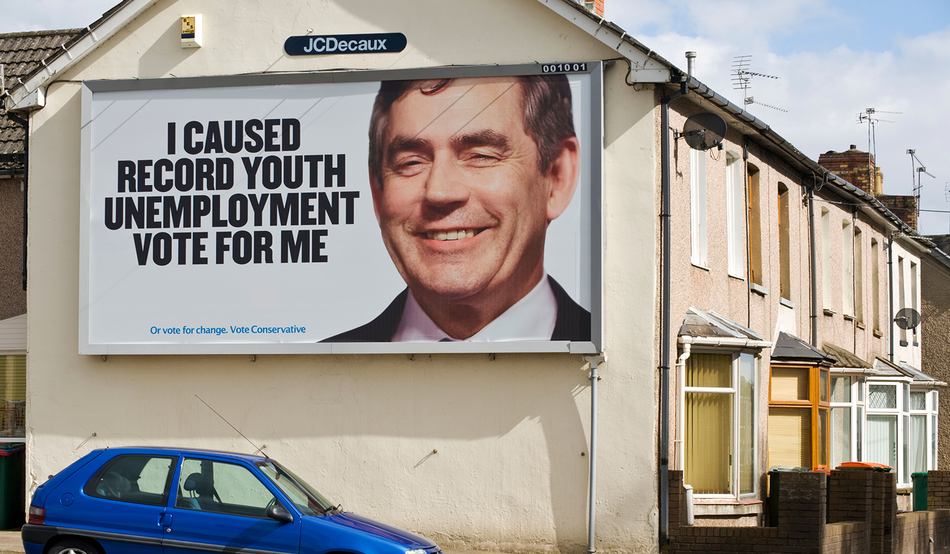
A bit of economic peril, of the right sort, can occasionally even bring more direct political benefits to an incumbent. Recall that Gordon Brown, widely perceived as drifting for months after calling off the “election that never was” in 2007, acquired dramatic new purpose after Lehman Brothers exploded in 2008, as he improvised a dramatic response. Starmer lacks the same passion for political economy, but his “serious man for serious times” shtik might resonate better at a time when many voters are worried about their jobs. Booting him out without a serious plan for what happens next would certainly seem more dangerous.
At first blush, the new year prayer for peace is of advantage to Starmer personally, as well as humanity as a whole. His dogged commitment to achieving normal relations with an abnormal White House is a lot more dangerous for him when the world is on fire. Hugging Washington close badly damaged his reputation with progressive opinion throughout the cruelties of the Gaza war, which inspired much of the recent haemorrhaging of Labour support to Zack Polanski’s Greens. Faced with Donald Trump’s foray into Venezuela, Starmer’s first instinct has been to sit on the fence between international law and a nakedly imperialist adventure. It has been an inelegant and very likely unsustainable posture, which will further damage his stock until the crisis recedes.
So there are plenty of contexts in which the PM would be politically well served by the guns falling silent. The exception, however, is the one conflict he cares most about. Starmer has come closest to projecting purpose to the country through standing up to Russian aggression in Ukraine. Should 2026 see Trump succeed in brokering some sort of end to the war, Starmer will be caught in a no-win bind. A staunch Atlanticist, he won’t feel able to cast doubt on a bargain which is—let’s face it—likely to be pretty accommodating to Vladimir Putin. But if—as is also likely—many Ukrainians are sounding the alarm about inadequate security guarantees, Starmer won’t be able to embrace the peace without being seen to backslide on one issue where he has hitherto been steadfast.
Party unity might seem like a no-brainer of a prayer for any prime minister in any new year, but this Labour leader and this Labour party are in an unusual spot. Amid a sulphurous pre-Christmas mood, the main debate among MPs was no longer whether to replace Starmer, but when it might be shrewdest to do so. Maybe the holidays will have cooled passions slightly, as politicians reflect on exactly what they could realistically expect to change under any likely new leader.
But there is no getting away from a looming triad of horrors this spring: Labour being defeated in Wales (and not just defeated, but crushed) for the first time in history; being hammered in Scotland for the fifth Holyrood term in a row by an SNP which, not long ago, appeared to be imploding; and, in English councils, taking a battering not only, like last year, from Reform, but also from the Greens, perhaps while also significantly underperforming the Tories. If the party looks at the political map expected in May and concludes it simply cannot win with Starmer, then—you might think—it would unite in wanting him gone. And so it might.
The one saving grace for the PM, however, might be that Labour would remain even more divided about what comes after him. Unlike under the Conservative rulebook—in which anonymous no-confidence letters can trigger a regicide ballot—the Labour MPs who want Starmer gone have to rally around someone to replace him. But the well-oiled parliamentary faction on the right, which favours Wes Streeting or Shabana Mahmood, hesitates to force the issue because it fears that the left-leaning members might prefer to go in a very different direction. Further divisions sear the party’s left—about the relative viability of engineering an inelegant and quite possibly losable byelection for Andy Burnham, pleading with the voters who rejected Ed Miliband in 2015 to give him a second look, or turning to the very recently resigned Angela Rayner. Without all these divisions, Starmer would be on course for defenestration. With them, he might just be able to stagger through the cracks.
Any decent human being wants 2026 to bring prosperity, peace and harmony. Not for the first time, however, human decency and a prime minister’s political survival start this new year pointing in different directions.