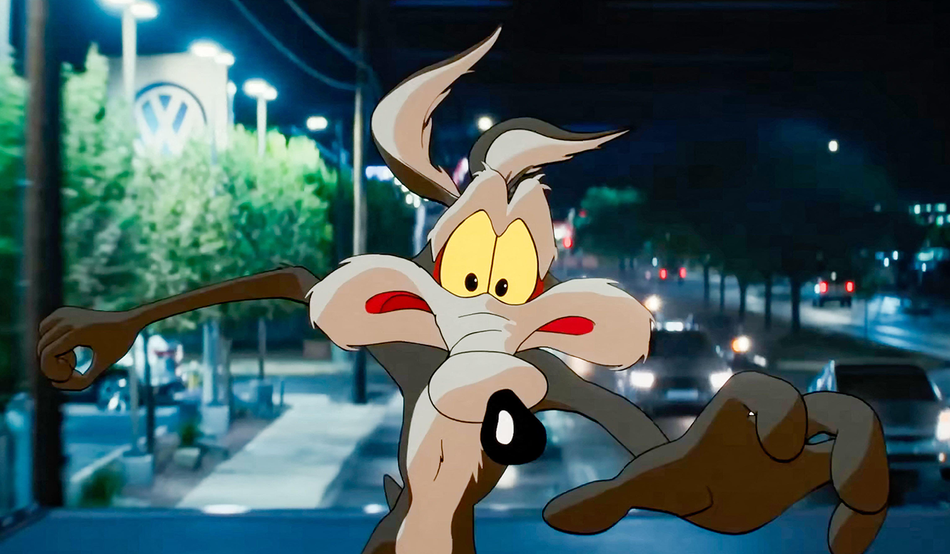
One day Wile E Coyote decides to sue Acme, the manufacturer of the various devices that he has used in his failed attempts to catch the Road Runner. The chosen attorney is what can be called a “billboard lawyer” who promotes personal injury claims for those who have suffered accidents which are the fault of others.
The lawyer’s practice is not a large one as it is geared to small claims. These claims have merit—they are not fake—but they are not really worth a respondent defending. As such, the lawyer has a steady revenue stream. Whenever, for example, a cartoon piano falls on a cartoon character, there is blame and a claim and a happy ever after.
But Coyote’s claim is not a small one. It is a big claim based on multiple incidents of alleged malfunctioning equipment. It is not the sort of nuisance lawsuit which will get a quick and easy settlement. It is a case which would need to be taken seriously by both the defendant and the plaintiff. This is serious stuff in a semi-animated world.
At first glance, Coyote’s claim is weak. The various devices may be commercial “off the shelf products”, but they are not for use off a cliff. Coyote may be using the various contraptions to entrap the Road Runner, but that is not the purpose of the kit he bought. That the goods are not fit for the purpose for getting Coyote’s desired dinner does not mean they are not fit for purpose as a matter for law.
It would seem that Coyote has a hopeless if ambitious legal case. The billboard lawyer sensibly resists taking on such a case. It would require a huge dedication of resources for a smallish law firm for uncertain return. But despite this reservation, the firm takes the case on, and it receives a speedy and generous offer to settle.
And this is where the film Coyote vs Acme not only becomes more entertaining but actually provides a realistic insight into civil litigation—the law cases where a plaintiff sues a defendant (as opposed to criminal cases, where a defendant is prosecuted by the state).
One thing about civil litigation is that it is usually dull. Almost all civil cases settle before trial, as the parties gradually assess the merits of their opponent’s cases. And even at any trial, it is rare for anything genuinely surprising to happen, even during witness examination.
For most civil litigation is about bored-looking individuals typing on computers or having meetings. You may as well make a movie about accountants doing an audit. This is not the stuff of cinematic drama.
But another thing about civil litigation is that it generally comes down to evidence, especially materials which only come to light during the course of a case. Disclosure of adverse documents can change everything. Such a discovery lacks the visual excitement of a witness being demolished on the stand, but it is no less determinative of a case.
And the reason why Acme makes a swift offer of compromise to Coyote and his reluctant lawyer is because it knows it has internal information which it does not want to come out.
Coyote decides to press on with the case, though for a quite collateral purpose. The small law firm almost goes bust in following their client’s instruction. In what must be the most plausible line of dialogue in any film about litigation, one member of Coyote’s legal team wonders aloud about who will pay for the photocopying.
It is not often that a film about law captures the reality of what it is like for a law firm to take on a really big case. But not only does Coyote vs Acme show such a predicament, it also provides an insight into the pressures within a large corporate defendant. The swaggering general counsel is put in their place by an even more swaggering corporate boss, unhappy at the course of events.
When we get to trial, the actual result is not surprising. And in subsequent non-trial proceedings, there is little surprise until the very end. When this case comes down to its evidence, for the most part the evidence is not there. Coyote seems to have pursued another dud cause. The courtroom may as well be painted on the side of a mountain, for all the good the legal process has done him.
But for Coyote the litigation was merely the means to an end, as the film reveals he had a motive beyond any legalities. And this is the most realistic point of the case. Few parties to a civil case ever care about the litigation itself. Unlike criminal cases, where there may be a fiery sense of justice or a desperate need for closure, not many civil claims end with any court decision.
Civil litigation is about obtaining non-legalistic goals by legalistic methods. And Coyote vs Acme tells the story of how Coyote sets about using the legal process to obtain his objective. And civil litigation is about doing this by process and the slow uncovering of evidence before any trial takes place, and again the film shows this.
There is little glamour in civil litigation. That sort of thing is best left to criminal lawyers and those who want to read stories and watch drama about them. But civil litigation is just as much about conflict, though the struggle between parties manifests itself in a different way to the exhilaration of the criminal procedural.
Coyote vs Acme is a brilliant film on its own terms, and undoubtedly the best mix of live action and animations since Who Framed Roger Rabbit. It is also a wonderful tribute to the great days of cartoon animation, and Elmer J Fudd and Foghorn Leghorn will never be cast in better roles.
But Coyote vs Acme is also incidentally an insightful movie about the competing priorities of lawyers and their clients, about the slog and expense of bringing and defending a civil case, and about the struggle for mastery over the flows of evidence. And that it is why it is one of the best films about civil litigation ever made.