Since the Brexit referendum a decade ago, British politics has been one abnormality after another. But at present, during what is usually the summer recess from parliament, we have two huge abnormalities happening at the same time.
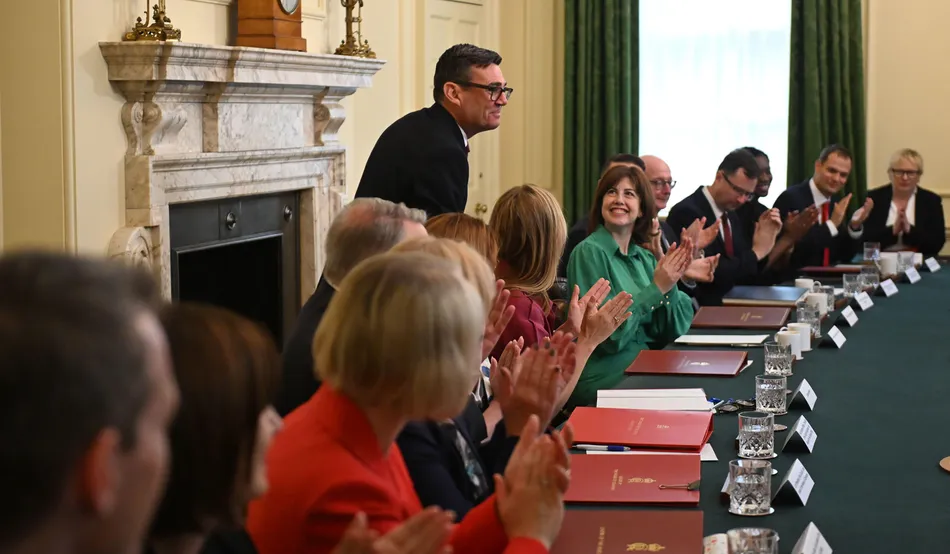
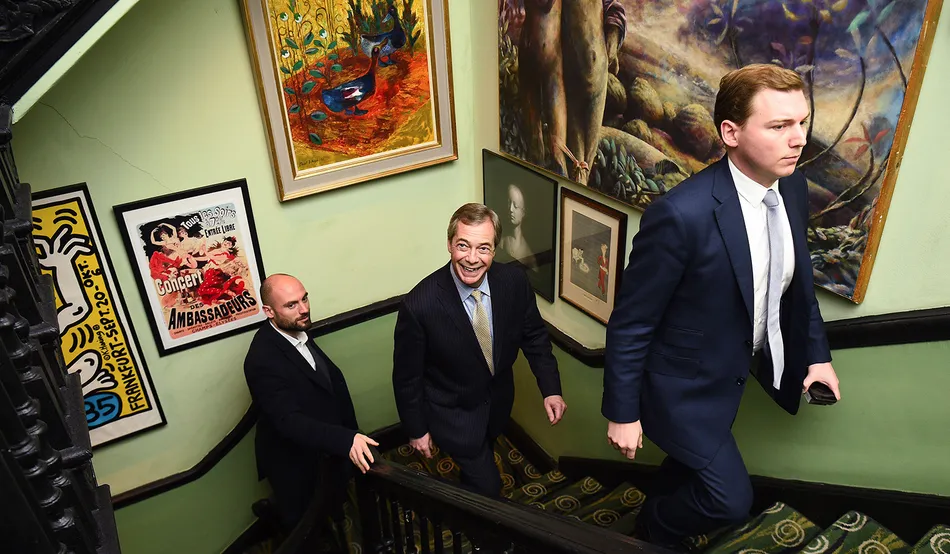
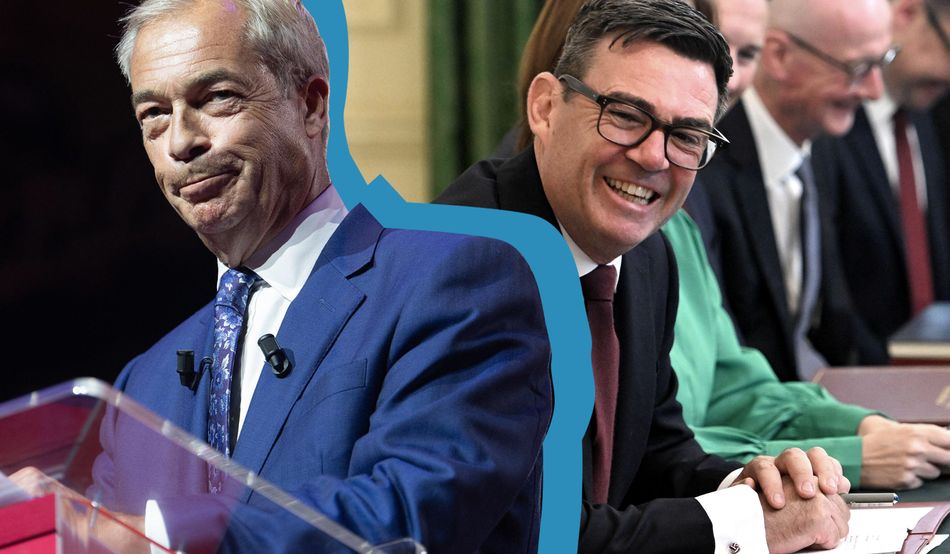
The first is a sudden Labour party coup which has yielded, in Andy Burnham, the seventh prime minister in a decade. The second, concurrent, abnormality, is a byelection that is being fought by the de facto insurgent leader of the opposition, Nigel Farage, as a gambit to break free of an escalating controversy over financial sleaze.
What happens to Burnham and Farage in their summer non-holidays will determine the essential shape of the political battle in the lead-up to the next general election. On both sides, the state of play is fluid.
Starting with Farage, he is unlikely to lose Clacton to Count Binface. But assuming that the intergalactic populist doesn’t defeat the human one, the outcome may nonetheless be decisive for Farage. He is, after all, still trying to collapse the Conservatives and make Reform UK the main alternative to Burnham’s government at the next election.
Even before Burnham’s dramatic return to Westminster, Farage’s momentum had stalled. The critical challenge for the Reform leader is the interaction between serious sleaze allegations and the civil war taking place in the right-wing media, and between the Tories and Reform, over which of the two parties should lead the challenge against Labour.
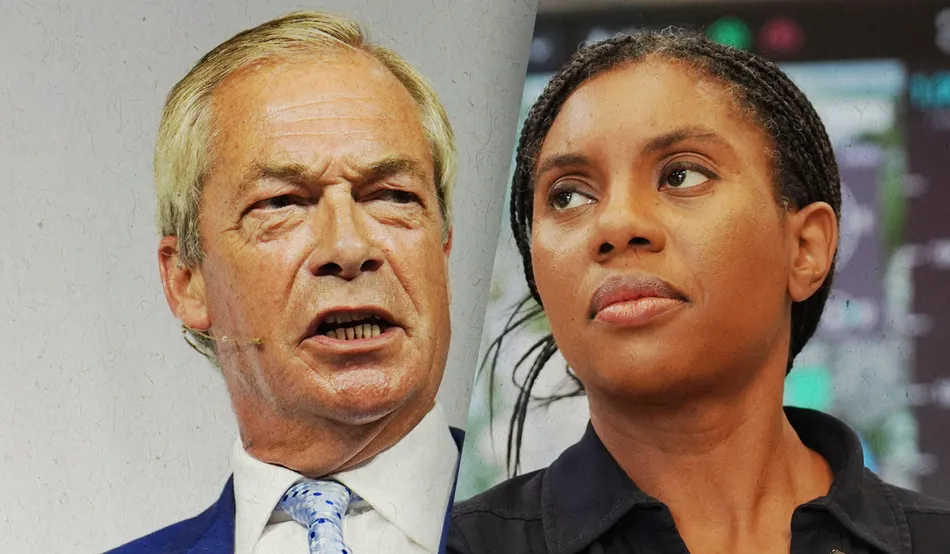
Before the row over a £5m donation and related allegations, Farage certainly had momentum. A year ago, in the lacklustre early months of Kemi Badenoch’s Tory leadership, it looked as if Reform might not simply eclipse the Conservatives, but largely destroy the party.
In the event—partly because Badenoch rallied, and partly because of continuing reservations about Farage among traditional Tory and right-wing media elites—the party didn’t implode. Neither did the right-wing media defect wholesale to Reform. Then came the sleaze row, which reinforced elite concerns about Farage—as witnessed by the Murdoch media empire’s prominent role in revealing, as well as repeating, the allegations about him and Reform.
Farage hopes that a clear personal triumph in Clacton will quieten the right-wing forces gunning for him. He also hopes a win will help neuter the independent parliamentary inquiries into his affairs. So the size of the Farage vote in Clacton, and how his campaign and result are treated by the right-wing media, matter more than it might seem.
Burnham, in his first days and weeks in Number 10, is engaged in an equally frenetic short-term quest to change the media narrative. Like every new prime minister who takes over midterm, he is seeking to depict a change of leader as a change of government, set expectations and impressions back to zero. Which, given how low they had sunk under Starmer, is quite a task.
In terms of his first moves, the extensive cabinet reshuffle was more apparent than real. All of the changes at the top involved either a recycling of existing ministers (Yvette Cooper, moved from the Foreign Office to the Department of Health and Social Care, is now on her third job in three years); or the return of Labour figures who had been sacked by Starmer (Angela Rayner, Lucy Powell and Louise Haigh).
The most important appointment was the one that didn’t change: Shabana Mahmood, who as home secretary is leading the most significant reform agenda of any minister. Her radical changes will restrict legal immigration and the rights of recent immigrants to stay in the country. Burnham is emphatically not signalling a change of course. At least, not yet.
However, even where ministers have changed, in no case that I can see does it obviously signal any major shift in policy. Wes Streeting will be a robust defence secretary, but support for Ukraine was Starmer’s strongest suit. I very much doubt that hard-pressed Chancellor John Healey will be allocating sizeable further sums to defence just because he resigned as defence secretary on the matter of defence spending. Streeting’s former brief, health, will continue to snatch most of any additional resources going. Indeed, it needs them if the government is to demonstrate real improvements in the NHS.
The choice of Ed Miliband rather than David Miliband as foreign secretary also appears to signal continuity rather than change. Ed has long been cautious about re-engaging with the EU, partly because of his marginal constituency (against Reform and its Faragist predecessors) in Doncaster. That may prove to be the most important non-change of the government.
So, it mostly comes down to Burnham and the power of his personality to project dynamism, change and empathy even in areas where nothing much is actually changing. For that, the weaker Farage is, the better— which is why Burnham will be watching Clacton closely, too.