With the tenth anniversary of the Brexit referendum just passed, the UK will soon have its seventh prime minister in that time. Such turbulence has been seen before. There were eight British prime ministers between 1827 and 1837 and seven between 1885 and 1895. Still, in modern times, to dispense with the services of a prime minister during their term in office has been a rarity. It only really happened if, like Anthony Eden, Harold Wilson and Winston Churchill, they were ill and no longer fit to serve, or if, like Margaret Thatcher and Tony Blair, they had tested everyone’s patience for too long after more than a decade in power. British politics is now moving too fast for its practitioners. A country that once celebrated the stable dullness of its politics is spitting out its prime ministers before they have settled in the job. What is going on and what does the job now demand?
The proximate cause of the turmoil is Brexit itself. David Cameron and Theresa May fell as a direct consequence. Boris Johnson, Liz Truss and Rishi Sunak departed office for a variety of personal foibles and ideological errors, but they were all trying to make sense of a political order upset and polarised by the Brexit referendum. Underneath that lies the cause of Brexit itself, which is the absence of earnings growth. The postwar period was characterised by steadily growing earnings. Political stability was the consequence of gentle economic progress. Since the financial crash of 2008 that coupling has broken. It is hardly surprising, when the average worker has not had a pay rise for a decade and a half, that people sought to express that discontent by voting to leave the European Union. And it is not surprising either that leaders do not command popular support for long.
This rising impatience is what differentiates the politics of our day from the ancient history before the crash. This is often attributed to social media—and perhaps the rapidity and ubiquity of communication does excite politics to a fever pitch too quickly—but the real cause is material. Imagine a Starmer government with 2.5 per cent growth per annum. There is no prospect that the prime minister would be on the brink of resignation, no matter what MPs were saying in WhatsApp groups.
This analysis has tempted plenty of commentators to suggest that the United Kingdom has become ungovernable and that the job of prime minister has become impossible. This isn’t true, although it has certainly become harder. It is worth thinking, before we anoint the seventh in 10 years, what being prime minister actually entails. It is a strange job. People usually come to it because their politics align with a significant fraction of their own party, and yet this is no sort of qualification for doing the job.
There are three aspects to being a good prime minister and it is rare to find all three virtues within one person. The first is rhetorical. To able to speak well is so important in a polity based on persuasion that Jeffrey K Tulis wrote a whole book called The Rhetorical Presidency (1987) in which he explained the success of American presidents by their ability to communicate, to define and set a purpose. It is a gift denied to many, including May, Truss, Sunak and, notably, Starmer. Yet Cameron and Johnson prove that speaking well is not enough on its own.
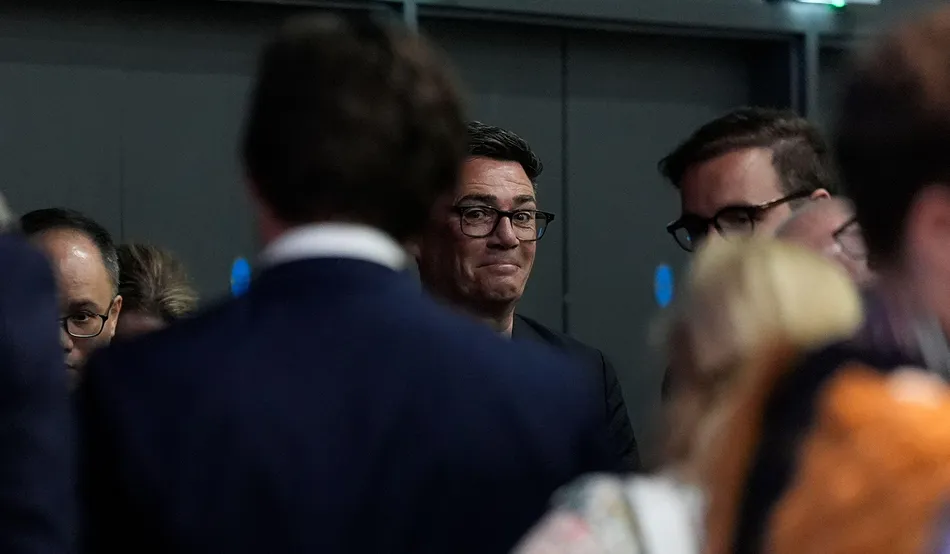
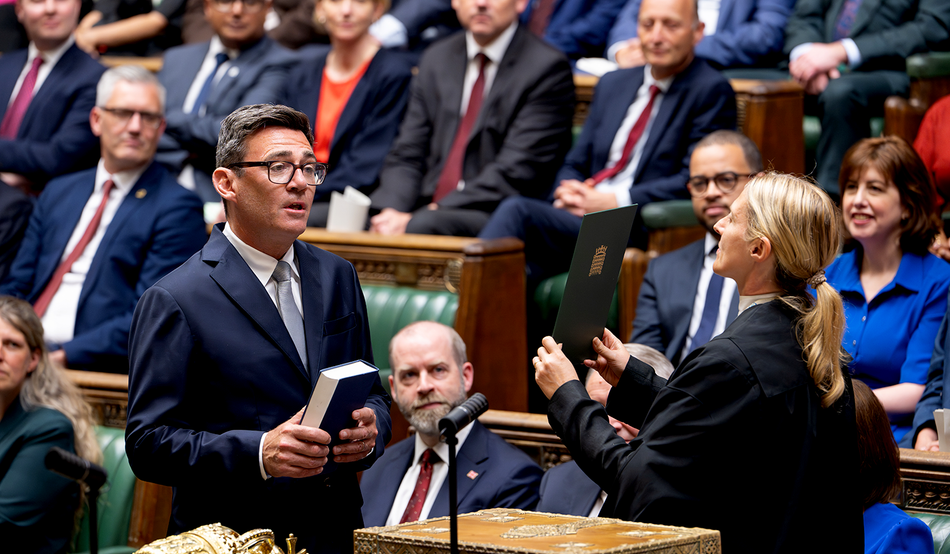
Andy Burnham undoubtedly has a gift of communication that his predecessor lacked. He is at ease with people and sounds natural, rather than calculated, when he responds. One of the tricks of being a good politician is not sounding like a politician. Johnson managed it for a while, so does Nigel Farage. Burnham will handle this part of the job well.
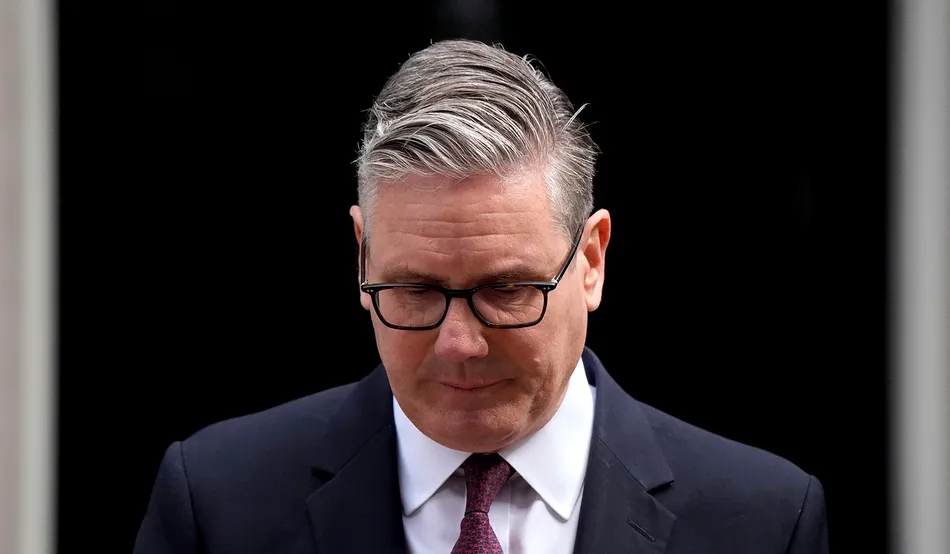
Or at least he will as long as he successfully negotiates the second aspect, which is handling the internal and the external politics. Internally, the leader owes his or her job to the acquiescence of their party colleagues, and managing them is crucial, as Starmer found out when he tried and failed to reform welfare. Burnham will also find this difficult. At first he will be immensely popular among his peers. They will greet this naughty boy as if he were the messiah. But as soon as he starts governing, as soon as he starts making choices, then inevitably his government will start to define itself. That will be the point at which his colleagues register their disappointment.
That disappointment is easier to bear if there is a sense that the government is succeeding, and this is the third, and the hardest, part of the job. The prime minister must have a high degree of administrative competence. He or she needs to know how to get things done. Governing is a hard grind that demands application and patience. It is no good being personally and politically popular if you waste the opportunity to make substantial change. A government which gains the reputation for having no purpose—and Starmer is, sadly, a case in point again—will quickly fall into a precarious political position.
Politics is a strange trade in which people award jobs to others on the irrelevant basis that they agree with them. Being prime minister is a tough task and not everyone is up to it. Boris Johnson got Brexit done, but nothing else. Liz Truss exhibited incompetence in record time. Rishi Sunak had no political direction and appeared to want nothing. The same is true of Keir Starmer. Now it is Andy Burnham’s turn. He will speak well. He will handle the politics just fine. But what is he for? What will his government be like and does he have the ability to turn his hopes into hard policy? If he can’t, then it won’t be long before we are looking at prime minister number eight since Brexit.