One thing about war crimes and other offences against international law is that they should survive the news cycle. Such events should remain important after the news reports have come and gone. They should linger in our minds and, if possible, be properly investigated and adjudicated upon. War crimes and other crimes against humanity matter.
At least one such crime appears to have happened on the morning of 28th February this year in Minab, a small Iranian city sitting by the Strait of Hormuz.
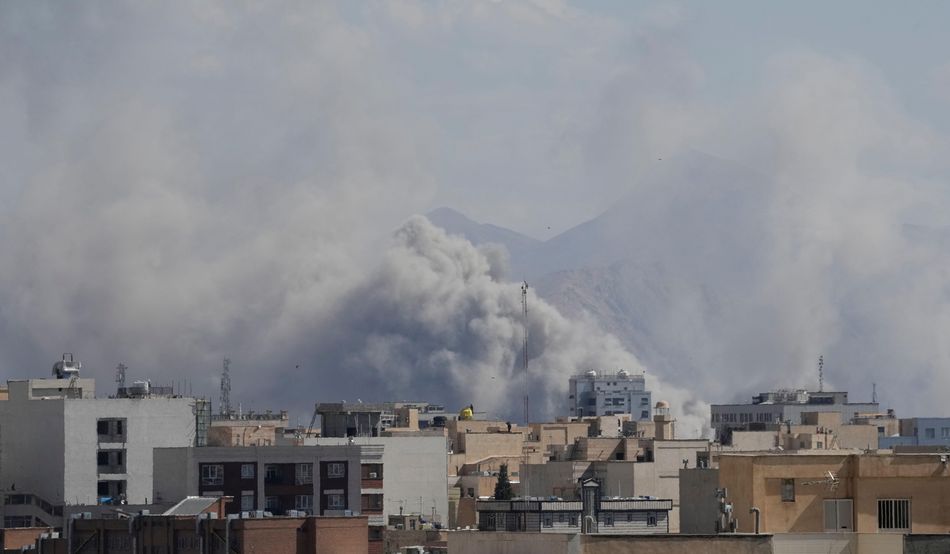
There was a guided missile strike. It is reported that 13 structures were selected and then struck in this targeted attack using what seem to be Tomahawk missiles. Twelve of the structures were in a compound of the Islamic Revolutionary Guard Corps (IRGC).
If the view is taken that the current assault on Iran by the United States and Israel has no basis in—and is a breach of—international law, then the attack on the compound would itself constitute a crime under international law, alongside all the other attacks on Iran since the conflict started.
But even if that attack on the IRGC compound was somehow permissible, what renders this incident a potentially significant crime against international law was the 13th selected target.
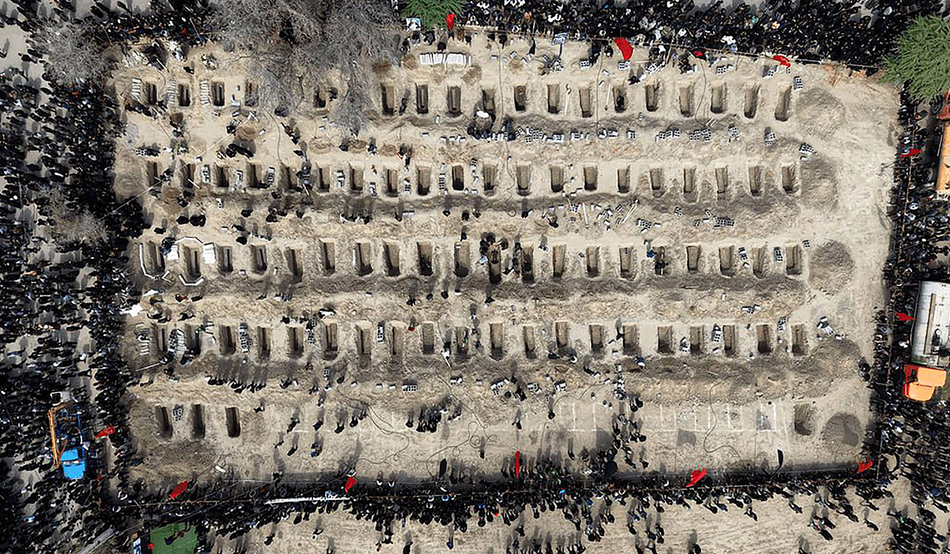
The 13th selected target was a school. The strike reportedly killed at least 175 people, of whom more than 100 were schoolchildren.
What appears to have happened is that the United States, which fired the guided missile, did not have readily available information that the school was not part of the compound and had not been so since 2016. This fact could be shown by open-source, public-domain information.
But it appears the US military did not have or use up-to-date information. It relied on out-of-date information instead, and so killed over 100 children during their day at school.
Schools are specifically protected from attacks under international law, as ably set out in this important article by former UK prime minister Gordon Brown. And the US secretary of state Marco Rubio and defence secretary Pete Hegseth have both denied that the school was deliberately targeted (though little weight can perhaps be placed on official government denials of any war crime).
Even if the school was not deliberately targeted as a school, there is still a requirement under international law for an attacker to do what they can to make sure they know what they are attacking. As Professor Janina Dill of the University of Oxford explains, an attacker has to do everything feasible to verify the status of a targeted object. And here it is significant that the weapon of choice was a guided missile: this was a pre-selected target.
The US government and military accept there is a potential problem here, despite the immediate attempts by President Trump to falsely blame the Iranians themselves.
According to the New York Times, a military inquiry has made the preliminary finding that the US was indeed responsible. Reuters now reports that this inquiry has now been elevated into a so-called 15-6 investigation that can lead to disciplinary sanctions. Although some political supporters of the US government may shrug or hand-wave at the apparent war crime, the US military—even under the leadership of Pete Hegseth—is not (yet) doing the same.
But if the investigation finds that something did indeed go wrong, there may not be any individual sanctions. Those who commit war crimes are generally quite deft at getting out of any individual responsibility. Even if a pre-selected target was hit with a multi-million-dollar piece of hardware, and the United States knows or should have known that it was a civilian school, it is unlikely any person will take the blame. The buck will not stop, the buck will move on.
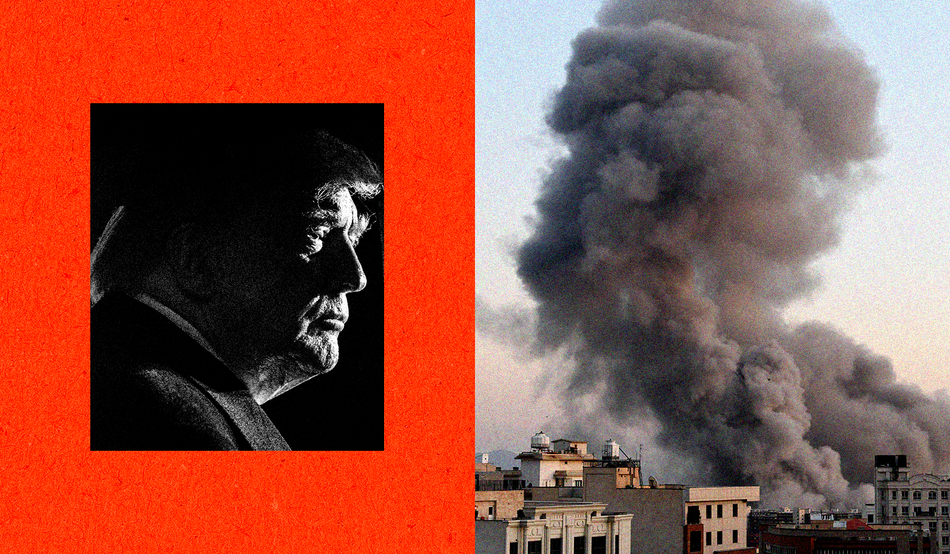
And the conflict in Iran has also moved on. Now, President Trump is openly boasting of attacking civilian targets, in the shape of general power infrastructure. Like schools, such power infrastructure—especially in respect of nuclear power—is specifically protected under international law.
At the time of writing, it is not known if Trump and the US will carry out their threats. But before the news cycle goes too far, the attack on the school in Minab must continue to linger. A military investigation is still ongoing.
And at a time when artificial intelligence is being used in military planning, those using lethal force must be reminded of the need to verify for themselves the nature of their targets. For had human intelligence been applied on the basis of open-source, public-domain information, then over 100 schoolchildren would probably still be alive.