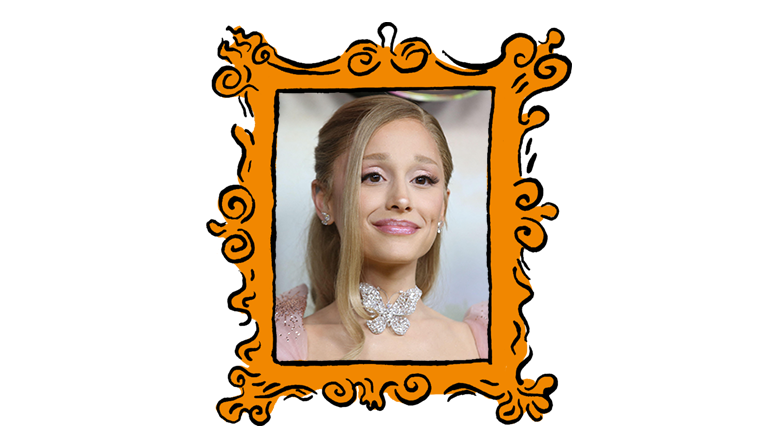
Earlier this month, pop star and actress Ariana Grande announced she was stepping back from the spotlight due to what a spokesperson called “endless, ongoing public scrutiny”. Essentially, this means she will no longer do media interviews, attend red carpet events or perform live.
For those unfamiliar with Grande, I’m sorry to alarm you, but she is, in fact, one of the most famous people alive right now. Even if her music isn’t exactly your cup of tea, you ought to have heard of her from a terror attack that killed 22 people, including children, and injured more than 1,000 in 2017. The Manchester Arena bombing happened during one of Grande’s shows when she was only 23.
Then, a year after the Manchester attack, her ex-boyfriend, rapper Mac Miller, died from an accidental drug overdose just a few months after they split up. Grande received heaps of online abuse from people claiming that ending the relationship drove him to his death. More recently, she was labelled a “homewrecker” by trolls after she started dating one of her co-stars in the blockbusting Wicked movies, Ethan Slater—a term that, some fans argue (and it’s hard to disagree), was unfairly used against her as a woman, considering both parties were previously married.
Around the same time, in 2023, people started noticing Grande’s significant weight loss. When she started filming for Wicked alongside Cynthia Erivo, online discourse about the weight of both actresses proliferated. Commentators accused the pair of competing on how thin they could get and attacked them both for promoting unhealthily skinny bodies to predominantly young, female fans.
From what meets the eye, Grande has only lost more weight since then. In the music video to her latest single, “petal”, she appears underweight and potentially unwell. While Grande hasn’t commented specifically on the scrutiny that has prompted her to step back, the consensus is that she’s referring to the way her body has been examined both online and in the media.
Some commentators are coming from a place of genuine concern. Times Radio’s Kate McCann said that while discussing another person’s body “should [usually] be off limits… Something bad is clearly happening here, and we should be able to say, this person needs a break.” Others, like this TikToker who called Grande “irresponsible”, are stirring up outrage—something which will, of course, only help to grow their own social media following.
But, genuine concern or not, why is it the role of pop stars to set good examples to our children? Yes, celebrities have huge platforms and can influence fans, but they should not be burdened with an actual duty of care towards their audiences.
Take Sabrina Carpenter, for example. Alongside Grande, she is one of the most famous pop stars in the world and also has a lot of young, female fans. Her lyrics are sexually risqué, and she often roleplays sexual acts on stage with male dancers. Her whole persona is provocative, and it angers some people, but she never set out to be a role model to her fans—she just set out to make a music career.
There’s also a gender angle here. While male celebrities undoubtedly face public scrutiny, it’s often of a different quality—and quantity—to that faced by female celebrities. I don’t think anyone was lambasting Liam Gallagher or Mick Jagger for promoting drug use to impressionable teenage boys, and no one seemed to mind hordes of actual children screaming along to the sexually explicit lyrics of “Sprinter” by Central Cee and Dave (something I witnessed first-hand at Glastonbury).
Grande is no messiah. Her job is to make music for fans to enjoy. And if she is unwell, she doesn’t have to be the perfect advocate for how to get better either. We tend to put people in the public eye on a pedestal, and when they don’t match up to our expectations, people on the internet, and in the media, can quickly turn into bullies.
Instead of invading very private spaces, we’d do better to focus on the wider issues raised by Grande’s weight loss—and there certainly are wider issues. Feeling a pressure or desire to be thinner is not unique to her. It’s a product of being in a world that favours women who meet prevailing beauty standards. In this sense, Grande’s weight loss is a structural, not individual, concern.
Indeed, in 2026, with easy access to weight loss drugs like Ozempic, you can always strive to be thinner. The 1990s cultural aesthetic known as “heroin chic”, most heavily associated with Kate Moss, is having a resurgence in popularity, with online influencers increasingly presenting with extremely thin and even emaciated frames. To any parents worried about their children idolising Grande: do you know what else exists on the internet? Her thinness is a representation of female body image in crisis.
Grande is currently performing her closing shows at London’s O2, on what will be her final tour for a while. Her spokesperson said: “She looks forward to finishing the tour and ending it on a high note, both healthily and happily.” But stepping back from the spotlight is going against the grain for a world-famous pop star. Grande has weathered a lot of difficulties at only 33 and has previously decided to carry on. This time she has said, “no more”—and more power to her.