Brazilian democracy is stubborn. At a time when the world had concluded that the far right would return to power through the ballot box, hell-bent on implementing the agenda of democratic erosion that has contaminated so many countries, democracy showed up and made its voice heard.
Brazil's president, Luiz Inácio Lula da Silva, remains a monumental figure. His political journey, encompassing Brazil’s transition to democracy, his judicial persecution, a possible coup and a survived assassination plot—culminating in this unprecedented electoral turnaround—is deeply intertwined with democracy.
Understanding Lula’s path to victory requires analysing two distinct sets of votes. His defeat in the first round on 4th October was due to dissatisfaction with his administration, together with the arrogance of those who expected voters to reward Lula for his life story. Many people had no interest. It was an apathetic vote.
Scandals involving the Supreme Court played a role too, exacerbated by the pathetic judicial response. Revelations about ties between Supreme Court justices and the banker at the centre of Brazil’s largest banking scandal raised serious questions about the Court’s credibility. A significant portion of the Brazilian population clearly felt disillusioned with politics.
Lula’s government, which had made little effort throughout its term to create and sustain an engaged electoral base, went to the polls with a commendable list of achievements, but without a narrative to explain how those accomplishments fit into a broader national project. More importantly, his government failed to show how it could improve people’s lives in the future.
An apathetic election delivered the outcome one might expect: an opposition victory in the first round.
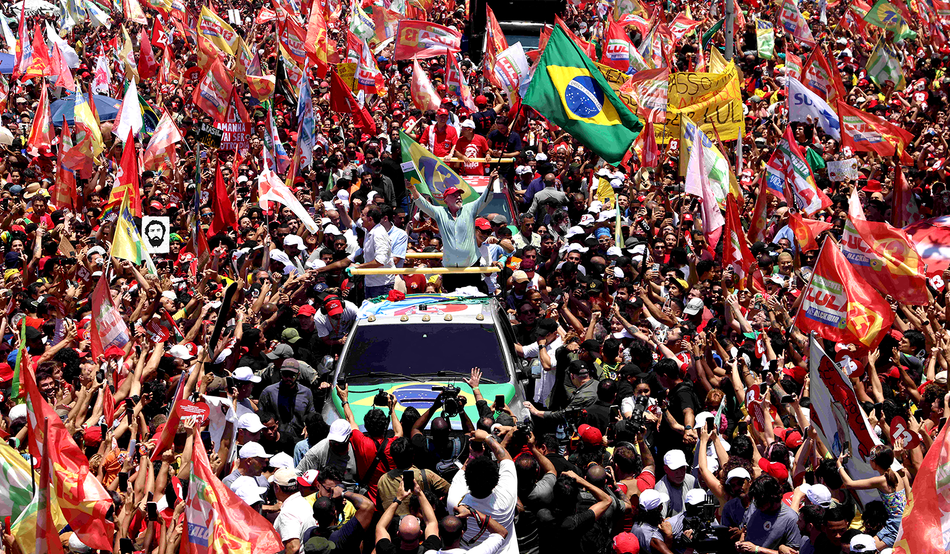
Never before in Brazil’s history has a candidate who finished second in the first round gone on to win a presidential election in the run-off. On this occasion, democracy intervened to deliver a turnaround that deserves to be studied far beyond the country. That it came to be was not the achievement of the official campaign itself, which was still reeling from the 4th October outcome, but of the strength of Brazil’s democratic resistance.
Within this resistance were many factors, all operating outside official channels. First, students mobilised, calling for marches across the country. Artists took to social media and organised shows, while massive demonstrations across Brazil enabled part of the population to rediscover a sense of belonging to a major democratic movement. As this was happening, independent media coverage exposing the risks of a Bolsonaro presidency gained extraordinary traction. Controversies involving Bolsonaro that were hitherto virtually unknown were now being discussed in the closing presidential debate.
The most remarkable factor, however, was the creation of what became the largest WhatsApp channel ever used by a political campaign anywhere in the world. Named O Exército do Lula (Lula’s Army), and created by Congressman André Janones, it turned this ubiquitous messaging app into a vast network for coordinating supporters and mobilising political participation. It was a revolution in political campaigning.
An intense grassroots strategy created an opportunity to completely circumvent the algorithmic prison imposed by big tech companies and the allegedly preferential treatment given to Bolsonaro’s campaign by Meta.
Political scientist and philosopher Anton Jäger argues that we are living through a period of “hyperpolitics”, marked by the growing encroachment of politics into spheres of everyday life. Crucially, however, this has not translated into social transformation, due to the parallel decline of civic life. Without political parties, clubs and associations, mobilisations consist of atomised individuals and, as a result, cannot sustain momentum.
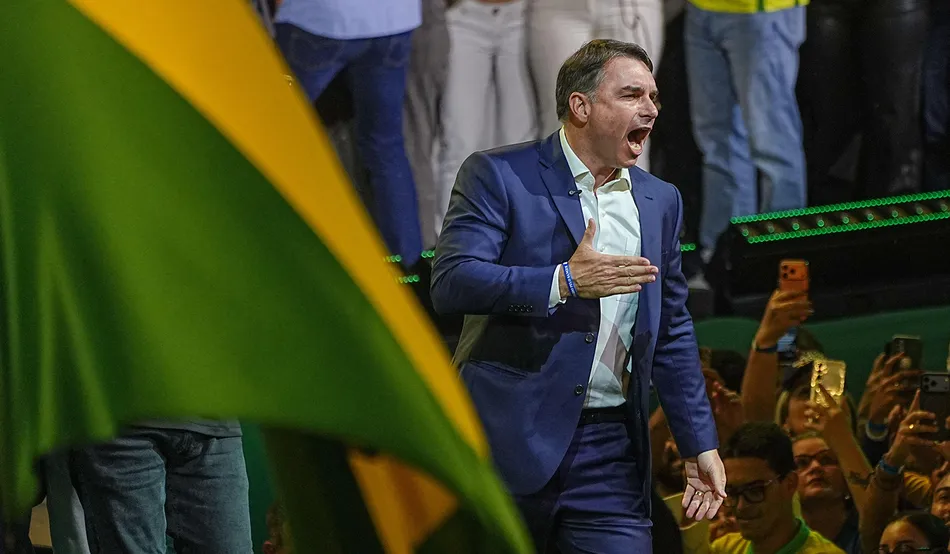
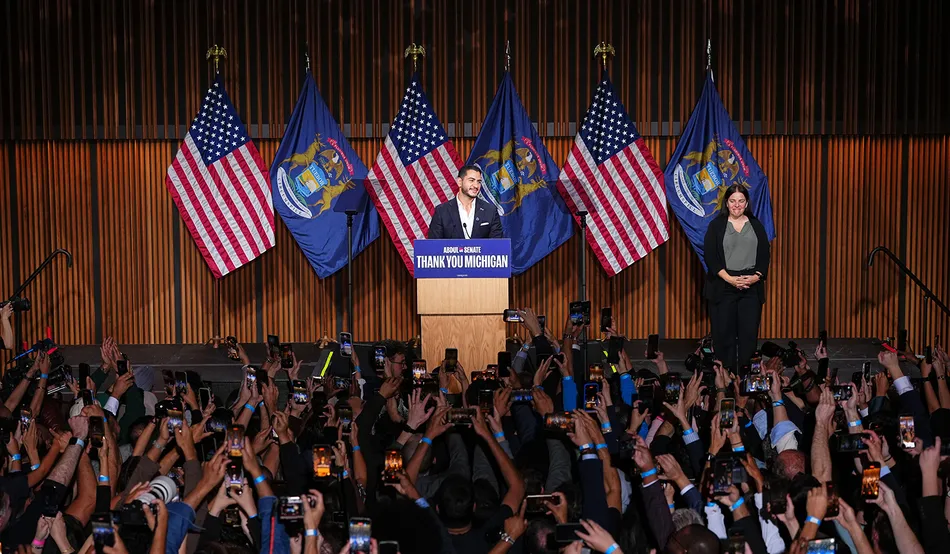
Many leaders have managed to adapt to the age of hyperpolitics. Whether through a massive social media presence, like Zohran Mamdani; weekly livestreams (a practice following by both Flávio Bolsonaro and his father); relentless social media activity (Donald Trump); or morning press briefings, (Manuel López Obrador and Claudia Sheinbaum in Mexico), we can see politicians making a deliberate effort to sustain participation beyond election campaigns.
Janones, too, understood mobilisation through the lens of hyperpolitics. By connecting with the political dynamics of our time, he paved the way for a turnaround. The challenge now is to harness that democratic energy and rethink how we govern. The Brazilian left, which once offered the world participatory budgeting and tools for the collaborative drafting of legislation, had, since 2013, remained dormant in its capacity to propose political innovations.
O Exército do Lula and the street mobilisations of recent weeks create an opportunity to change that. Several of this government’s victories came not from its offices in Brasília, but in the pulsing energy of popular movements. The most significant was the constitutional amendment that abolished the six-day work week (6x1), a reform that was the product of years of grassroots mobilisation.
In the context of an extremely conservative Congress and a weakened Supreme Court, the government will need to reclaim the creativity the Workers’ Party embraced in the 1980s, when ordinary people were offered a direct say in government beyond election cycles, be it through the aforementioned participatory budgets, or through popular councils for administering health services, education and public transport.
It must build on what was achieved through three weeks of mobilisation and become the driving force behind a new way of doing politics. Brazil could become the country that shows the world that hyperpolitics does not necessarily usher in an era of authoritarianism. On the contrary, it can help ensure that democracy starts making sense again to those who used to believe in it. Despite what many people think, liberal institutions will not be the ones to save democracy. But perhaps these institutions can themselves be saved by the new form of democracy taking shape in Brazil.
To achieve this, the most important thing will be for Lula’s fourth government to embrace the challenge of governing with the intensity and innovation that the age of hyperpolitics requires, and that Brazilian democracy deserves.