A big positive takeaway from the current rash of elections—Brazil, Serbia, Israel, and the US midterms next week—is that democracy isn’t dead yet, even in places where it has been under massive assault from a combination of populists, overweening plutocrats, authoritarians and warmongers. The tone for the year was set by the Hungarian electorate’s astonishing ejection of Viktor Orbán in April. On a longer view, it was set by the ever more remarkable resilience of Volodymr Zelensky, currently in year five of defending democratic Ukraine against both the Russian dictator and his Trumpite fellow travellers in the west.
The common feature of all these elections is that democratic fundamentals have—so far at least—survived serious attempts at destabilisation.
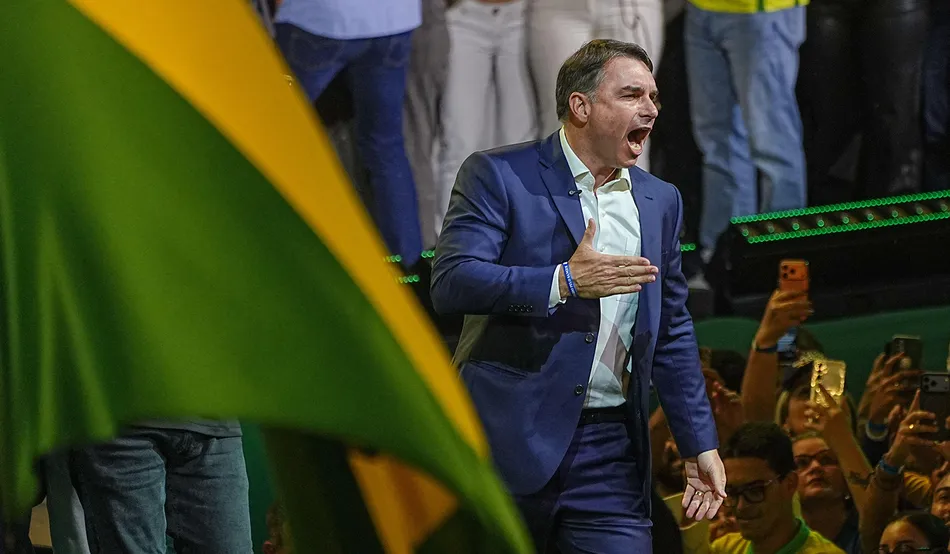
The simple fact of Lula losing an election ought not, of course, to have been problematic. But a restored Bolsonaro clan, intent on dynastic power, vengeance and enrichment, in league with Donald Trump, wasn’t a promising prospectus for the world’s fourth-largest democracy, even for those who think less of Lula’s welfarism.
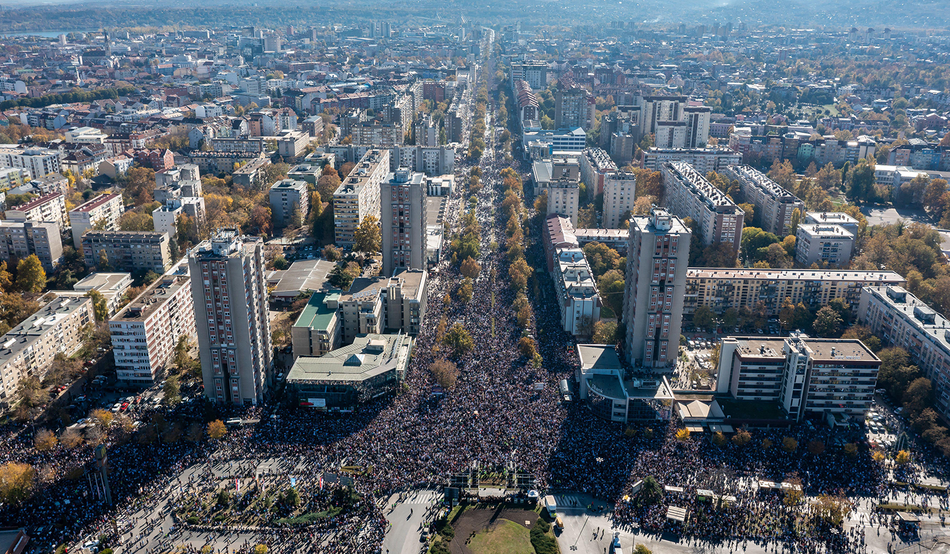
Aleksandar Vučić, the deeply Orbanite authoritarian leader of Serbia, also conceded defeat after losing an election on Sunday. He lost to a broad civic opposition movement protesting against corruption and misgovernment. A collective of professors, actors, athletes and other non-politicians, as well as some former politicians—the victorious so-called “Student List” —is about to take power in Belgrade. Fortunately, one potential candidate for prime minister is a politically savvy former governor of the National Bank of Serbia, Dejan Šoškić, who will hopefully bring a liberal-competent Mark Carney-esque character to the government of serially troubled Serbia, reorienting the country towards the European Union. This could be a decisive advance for democracy and prosperity in the West Balkans.
In the case of Israel and the US, I am writing before the polls close. Plenty of anti-democratic horrors may still be in store, at the behest of Benjamin Netanyahu, Trump and their families and associates. However, forebodings of total democratic breakdown have not so far materialised.
In Israel, attempts by Netanyahu to ban political parties representing Israel’s sizeable Arab minority were struck down by Israel’s Supreme Court. An opposition coalition, led by former army chief of staff Gadi Eisenkot, is in serious contention. This is despite the warlike alarmism heightened to fever pitch by Netanyahu, who is supported by Trump.
In the US, midterm elections are also proceeding in a fairly normal manner despite serious presidential attempts at destabilisation. In particular, the US Supreme Court—despite its conservative majority—has so far rejected Trump’s attempt to throw the entire nationwide postal voting system into chaos by introducing new federal rules on the eve of the election. Fears that ICE agents might be deployed as a kind of paramilitary force to disrupt voting have also, so far, gone unrealised.
The main issue in the midterms is Trump’s record, not his imminent threat to democracy. And if he loses one or both houses of Congress on 3rd November, it doesn’t look as if he will be able to prevent that result taking effect. It may seem shocking to have to say this, but after a decade of Trump’s election denialism, and the crisis of 2020-2021, that really is something of a triumph for American democracy.