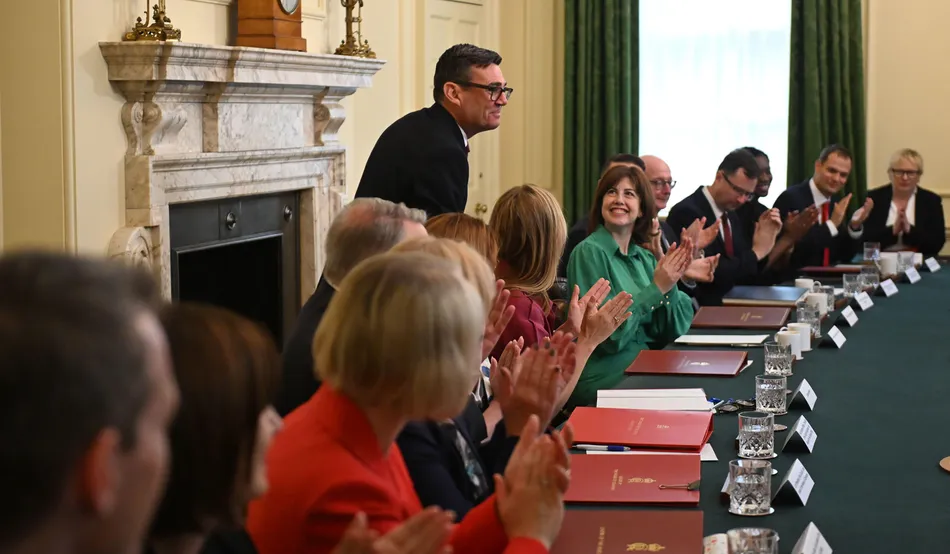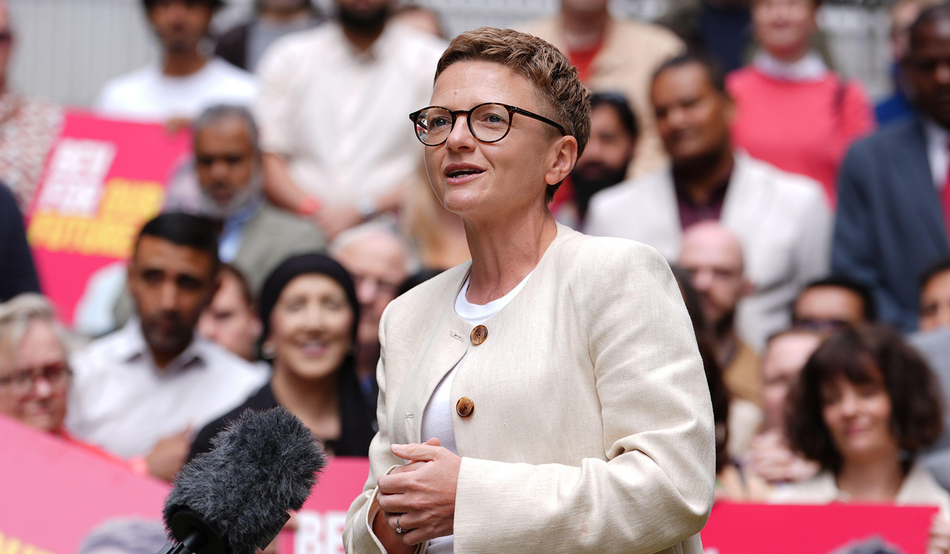
So much for the fears that a Reform UK mayor in Greater Manchester would be the price Labour paid for allowing Andy Burnham back into parliament. In the end it wasn’t even close. Labour’s Bev Craig led Reform’s Sian Astley comfortably on first preferences, and the supplementary vote system in the mayoral race rewarded her with a greater lead after counting second preferences. Like Andy Burnham in the Makerfield byelection, Craig outperformed the polls.
True, her first-preference vote share fell well short of Burnham’s two years ago. Not only did he have a substantial personal vote; at the time Labour nationally was riding high. The more relevant comparison is with the votes across Greater Manchester in the council elections three months ago. Reform then won 31 per cent of the vote and 104 of the 214 council seats up for election. Labour, with just 24 per cent, won only 35 seats.
Yesterday, on first preferences, Labour was 23 points up on its May vote; Reform was 10 points down. More broadly, the combined progressive vote was up from 52 per cent in May to 62 per cent yesterday, while the right-of-centre vote, now including Restore, was down from 41 to 37 per cent. The supplementary vote also helped Labour. Craig gained 13,000 more votes in that round than Astley.
This is significant. Counting the second choices of those who backed all but the top two candidates demonstrates a key feature of the system for voting in the Greater Manchester mayor: it works better for mainstream candidates, and worse for extreme ones.
Almost 170,000 voters backed one of the bottom five candidates; 103,000 of them cast a second vote for Labour or Reform. The notable thing is that Labour did far better among Green and Liberal Democrat supporters than Reform did among Restore and Conservative supporters. Labour won 73 per cent of Green and Lib Dem first preferences. Reform won 52 per cent of Restore and Conservative first preferences.
(The true figures will be fractionally different; we don’t know for sure where second preference votes came from. Some Restore supporters will have given their second preferences to Labour, and Greens to Reform, but not enough to affect the analysis. A modest number of Conservatives will have backed Craig with their second preferences, but that underlines further the fact that preferential voting hurts the extremes.)
The low turnout in Manchester—just 25 per cent—suggests that we should be cautious in interpreting last week’s result. However, evidence from other recent elections, as well as the opinion polls, confirms the story of Reform’s decline.
In the local elections in May 2025, Reform won 41 per cent of all the seats up for election. Colin Rallings and Michael Thrasher estimated that their national equivalent vote share was 32 per cent. This year, Reform won 29 per cent of all seats; the party’s vote share was down five points to 27 per cent.
Since this year’s May elections there have been 87 local council byelections. Reform has won just 19 out of 87—a success rate of 22 per cent. Its share of total votes cast is 23 per cent. These 87 contests are not exactly representative of the whole country. But they are sufficiently spread to give a good sense of the national picture.
It’s worth noting the way that Reform’s seat numbers are sensitive to vote share. At 32 per cent support in the local elections last year, the party dominated the results in county after county. This year, at 27 per cent in vote share, Reform remained top dog, but its local victories were patchier.
Totalling the results of 87 byelections since then, Reform’s vote share is down to 23 per cent. On seats, the party is currently level with the Conservatives and Lib Dems in recent byelections, with 19 seats, which translates to 22 per cent. The trajectory of Reform’s votes tracks the trajectory of Reform’s poll rating almost precisely. Indeed, Burnham has reason to hope that his recent arrival in Downing Street has dragged Reform down further. On 24th July, Labour gained two wards from Reform in Thurrock—an area that Farage was counting on to help his party break through at the next general election.
All in all, Reform’s recent trio of disappointments in the Manchester area—the contests in Gorton & Denton and Makerfield, as well the Great Manchester mayoral race—are not simply exceptional results from Burnhamland. The national polls are right. Reform is in trouble.
A version of this article originally appeared on Peter Kellner’s newsletter