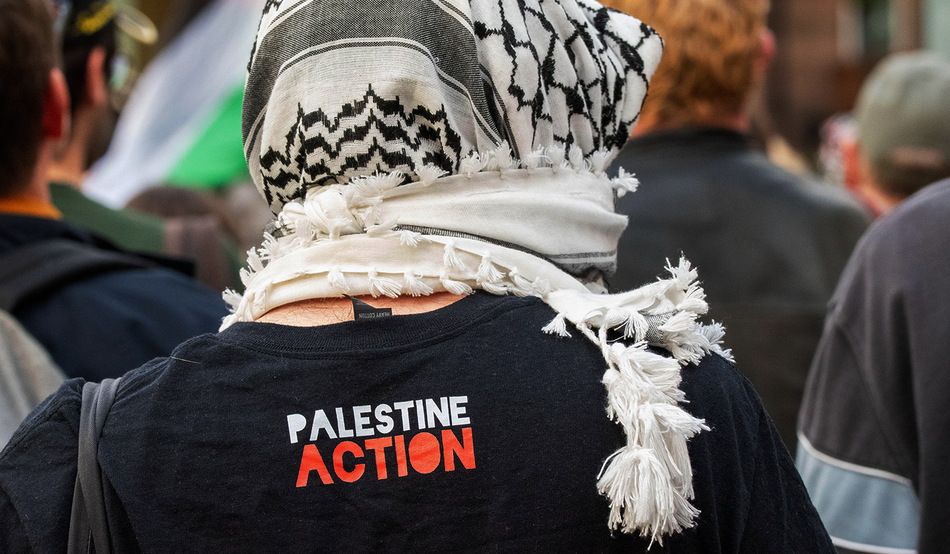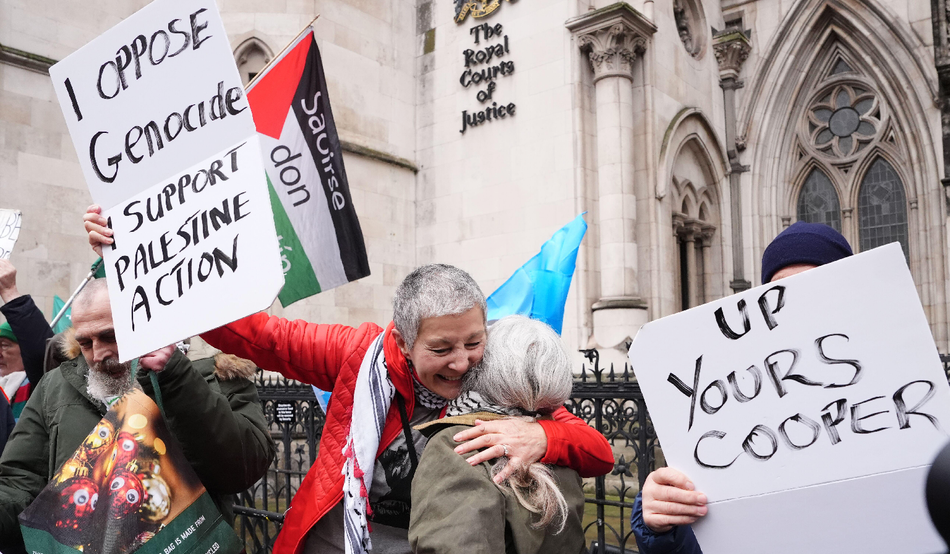
Today the High Court ruled that that proscription of Palestine Action as a terrorist organisation by the United Kingdom government was unlawful. The judgment is here. It is important to know what the judgment says and does not say, and what has changed and what has not.
The judgment is relatively short, and it is not altogether on the side of Palestine Action. The court, for example, at one point says:
“[Palestine Action’s] campaign is intended to close down the operations of a company pursuing a lawful business. The campaign has not been pursued with restraint. The wide range of targets is significant. It lays bare that Palestine Action’s campaign and pursuit of criminal damage is designed to intimidate the persons and businesses targeted so they end their commercial relationships with Elbit. Palestine Action is not engaged in any exercise of persuasion, or at least not the type of persuasion that is consistent with democratic values and the rule of law.”
Yet the High Court still held the proscription was unlawful. This was on two grounds. The first was because of the very serious effects of proscription. Because of the one-size-fits-all nature of the relevant law (featured previously in this column), proscription has a significant effect on exercises of free expression. As the court says, “the criminal law consequences of proscription are very significant”.
Here the court said the balance to be struck was difficult. But it concluded it was “satisfied that the decision to proscribe Palestine Action was disproportionate. At its core, Palestine Action is an organisation that promotes its political cause through criminality and encouragement of criminality. A very small number of its actions have amounted to terrorist action within the [legal] definition”.
As such the court ruled against the government on human rights grounds, under the Human Rights Act and the European Convention on Human Rights. This is likely to be politically controversial. However, the court also found against the government on an alternative ground which was not directly reliant on human rights.
The court found that that the home secretary’s decision to seek the order proscribing Palestine Action was made in breach of her own policy on when she would exercise her discretion to seek an order proscribing an organisation. The court looked at “evidence available to the Home Secretary when the decision to proscribe was made” and decided it had not yet reached the level, scale and persistence that would justify the application of the criminal law measures that are the consequence of proscription.
What now? The provision stays in effect, as the court was careful not to yet order that it be quashed. This means the government may seek an urgent appeal, before the court makes any order disapplying the proscription. As this is an important case, with wide consequences for terrorism law, it is likely an appeal would be heard. In the meantime, what was unlawful yesterday in respect of expressing any support for Palestine Action remains unlawful today.
And, more generally, if the proscription is quashed, all that may mean is that the government makes the proscription again, but with a sounder evidential and legal basis. Nothing in this judgment stops the government seeking to ban Palestine Action again if it can establish a firmer basis for doing so.
But, all that said, this is a big judgment. It is hard to defeat the government in any terrorism-related judicial review. It is also difficult to defeat the government when challenging a statutory instrument, whether or not it is related to terrorism. To do both is impressive achievement by the claimant, even if the court was not impressed by Palestine Action.
When last year at the hearing it was suddenly announced that it would not be just one judge hearing this but a three-judge bench including the President of the King’s Bench Division, it opened the possibility of the court finding against the government. What lawyers call a “powerful bench” is often needed when making significant decisions.
The government has said it intends to appeal, and ministers will likely throw even more resources at the case. And the appeal courts may be more sympathetic or deferent to the executive. The government may still ultimately win.
But the core problem, which is apparent from the detail set out in the judgment, is that the government may have overreached when using terrorism law intended mainly for international terrorist groups for dealing with the activities of Palestine Action. On any view, the Home Office pushed the law to the limit—and the High Court today found it had pushed the law too far.