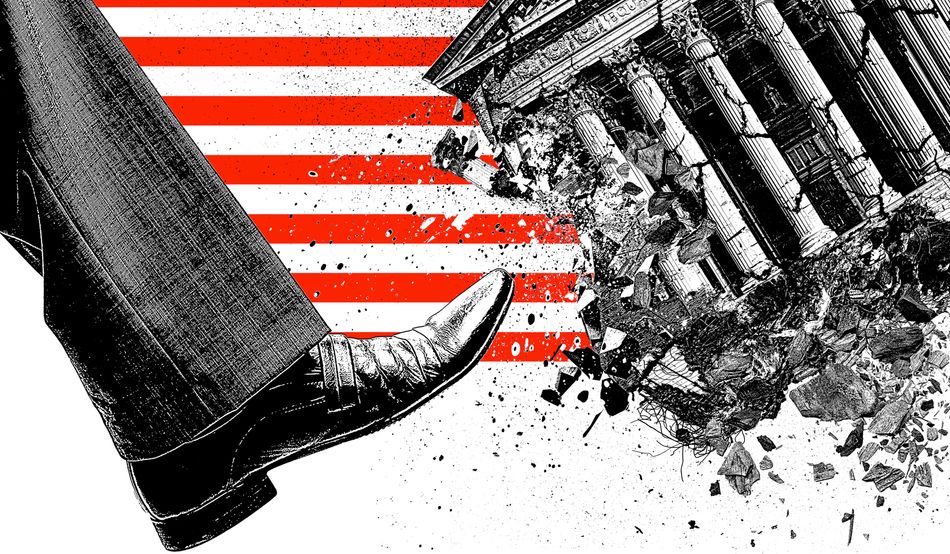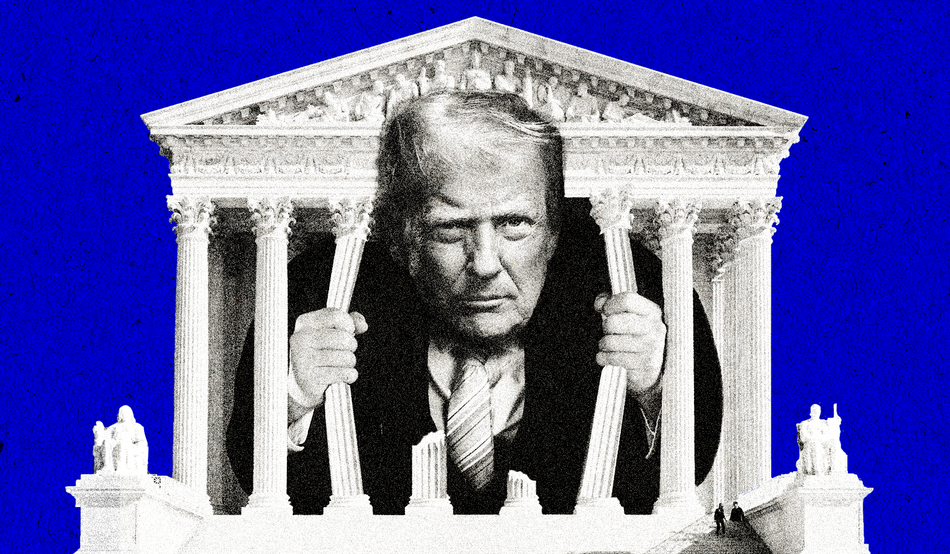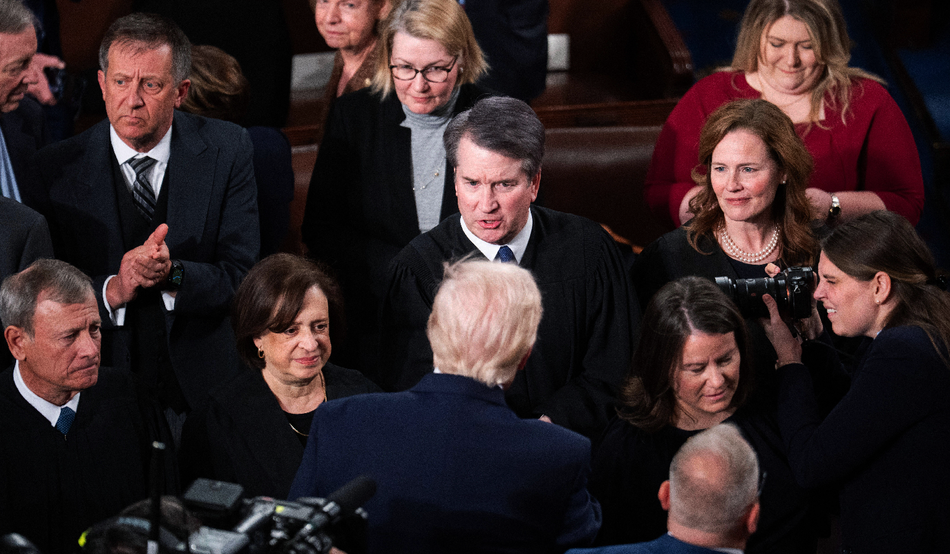
On the face of it the welcome decision of the Supreme Court of the United States to strike down President Donald Trump’s tariff policy was unremarkable. Of all the many constitutional trespasses of the Trump administration, this was the most blatant in its breach of the wording of the United States constitution. Only three of the conservative justices sided with the executive, in published opinions that gave the impression that they would side with Trump on anything.
The constitution expressly provides that it is for Congress to set tariffs and other taxes. When from time to time Congress has delegated this power to the presidency it has been done explicitly and in strict terms. It was thereby not open to the president to use emergency legislation that does not mention tariffs to set his own worldwide tariff policy for indefinite lengths of time.
The three liberal justices did not see the case as needing more than for this to be pointed out. For them it was a straightforward matter of statutory construction and interpretation. There was no need for any elaborate reasoning and jurisprudential theorising.
But for the three conservative judges that agreed that the policy should be quashed it was not so straightforward, and a close look at their opinions shows a fundamental divide in conservative judicial outlooks between those who sided with Trump on this matter and those who did not. And this split may matter for any future liberal administration.
For the three conservative judges who went against the tariff policy there was something at play called the “major questions” doctrine. In essence this means that it is not open to Congress to delegate to the presidency anything that touches on major questions without clear and express wording. The executive cannot just take powers that were not handed to it explicitly.
In the instant case this meant they sided against Trump on tariffs. But in general it also means they would side against any activist and progressive policy from a liberal presidency. The doctrine was invoked against the environmental and climate policies of the recent Democrat administrations.
Using this “major questions” theory to strike down Trump’s tariff policy is therefore a price worth paying for keeping the doctrine in play for future cases where it can be used against progressive federal action.
Although only three of the nine judges put this theory forward in this case, future courts can cite minority opinons when it suits them. That is why one conservative justice, Neil Gorsuch, used this appeal to write a 46-page general exposition of the doctrine.
The three conservative judges in the majority do not agree completely on the application of the doctrine. Amy Coney Barrett did not agree entirely with Gorsuch over when the theory is in play and its jurisprudential basis.
The liberal three judges were against the doctrine applying in this case. Perhaps they can see the uses (and misuses) to which the doctrine can be put in future cases. But they know that it is a theory which is not going to go away.
For some conservative judges, a conservative jurisprudential approach is not just about finding ways to support whatever Trump does, regardless of the intellectual gymnastics in doing so. They are not simply Trumpist partisans and are willing to rule against Trump when there is a perceived greater need to turn the caselaw of the courts in a more illiberal direction.
Many will rightly clap and cheer at the Supreme Court siding against Trump. And it is indeed a victory against his rampant unconstitutional behaviour. But it would have been a greater win for constitutionalism had the conservative judges in the majority not used it as a basis to further develop their “major questions” doctrine.
If and when there is another liberal administration in the United States, the conservative majority opinions in this case will be cited approvingly by conservative judges in striking down a wider range of federal activity than the setting of tariffs.