Climate change often doesn’t seem sufficiently real for us to do enough about it. It isn’t something that, day-to-day, we think we can see. As a society, we largely conceive of it as a future problem. For another day.
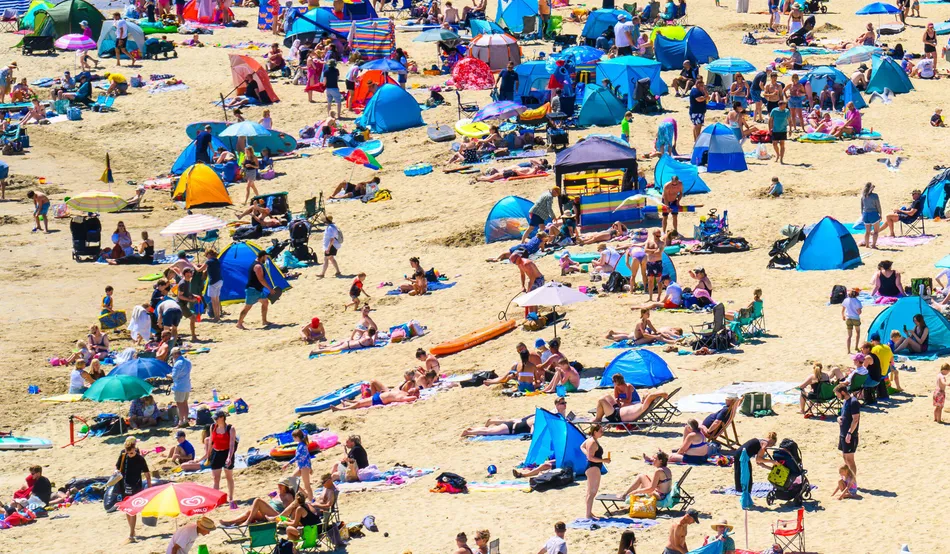
This week’s heatwave has been a reminder that that simply isn’t true. The extreme heat that struck the UK and much of Europe has been unignorable. Trains were cancelled. Some schools and nurseries closed. Economic productivity likely dropped. Most importantly of all, people died—older people in care homes, children in cars, and teenagers cooling off in lakes and ponds and rivers.
We were warned that this would happen. We have been told for decades by scientists that mankind’s burning of fossil fuels is contributing to global heating, bringing us extreme summer temperatures and more. And we were warned in the short term by the Met Office, which issued amber and then red weather warnings after the forecast highs.
A red extreme heat warning, for those who didn’t know, means that there’s a danger to life not just for vulnerable people but for all of us. This week’s was only the second ever issued by the Met Office—the first being in 2022. But the novelty of the label—the most serious warning that can be issued—doesn’t change the fact that heat records were again broken this week, and that days like those are more likely to come again in future.
Yet still—despite these warnings echoing across the years and spread across our screens and newspapers—many usually sensible people seemed to approach the heat with a kind of scepticism. Were you brave enough to commute to work, or were you staying at home? Didn’t you remember the summer of 1976? If you weren’t there, you won’t remember that it was pretty hot then too, and everyone coped, didn’t they? What’s all the fuss?
I do understand it. When we are faced with something frightening, new and uncomfortable, it can be easier to pretend not to see it, that it isn’t really happening. In our personal lives, it’s a reaction to a family member falling ill or debt accumulating. Denial is a comfort, for a while. And this is something we do, as a society, all the time with climate change. It’s the reason that we, in the media, think we have to choose the rare moments to cover climate change: we, like our readers, are distracted by “bigger” or “more urgent” stories.
And it’s the reason why that, as voters in a democracy, a significant number of us choose parties that would tear up our commitments to reduce emissions, would encourage the burning of more fossil fuels, and would try to turn renewable energy into a culture war. Even when a majority of us—six in 10—still believe that the UK should try to reach net zero emissions by 2050.
Net zero isn’t a slogan. It is a goal based on incontrovertible scientific evidence, and it is under attack from parties not just on the hard right but also on the centre right in British politics. The idea that climate action was necessary used to have broad political consensus, even if parties disagreed on the urgency required, or the means of getting there. No longer.
And just as politicians are attacking the climate action that citizens still desire, so too is our knowledge and understanding about climate change under attack. In the United States, Donald Trump’s government is attempting to dismantle a network of more than 900 sensors that deliver critical information about the world’s oceans—just as a powerful El Niño takes hold. Fossil fuel interests are reportedly launching “coordinated attacks” on climate science at UN talks in Bonn. And in the UK, politicians are increasingly questioning established science.
These kinds of incidents may seem unimportant—but they are attacks on our understanding of reality. Of course, we wish that this June heatwave was normal, but it isn’t. And of course we wish that heat wasn’t dangerous, but it is. Weeks like this are going to become a far more regular feature of our lives. The Met Office released a fictional forecast for a June day in 2056 based on realistic projections of 2.5 degrees of global warming; it was worryingly close to what we are already experiencing. It’s human not to want that future to sink in, but we need the evidence—the data from those meteorologists and oceanographers, doctors and economists—to shake us out of our stupor.
And we must try to see and feel the world before us as it is. When we choose not to—in this case, not to feel the heat, or to acknowledge its dangers—we are not being brave. We’re seeking comfort in denial.