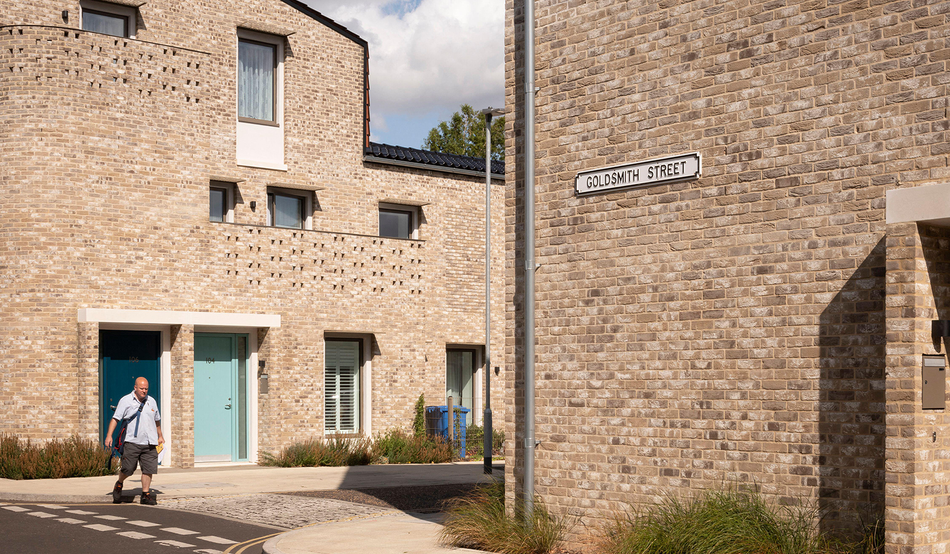
Andy Burnham has pledged to oversee the biggest council house building programme since the postwar period. Social homes and a good technical education were the foundations of working-class aspiration when he was growing up in the 1970s, he said in his first major speech as prime minister-in-waiting. But while the UK lost 1.5m council houses over the last 50 years, it has also become one of the most nature-depleted countries in the world. Can Burnham achieve his goal without further harming nature?
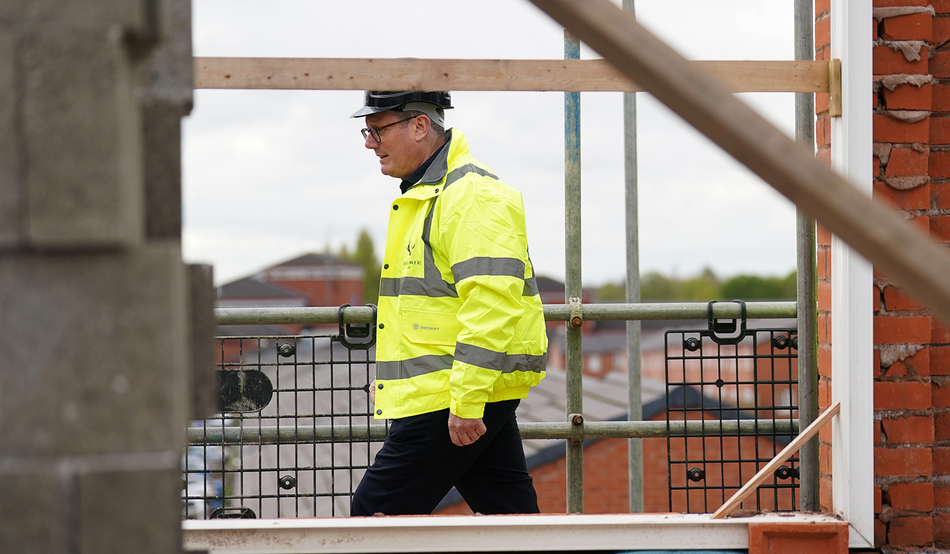
Environmental organisations have fiercely criticised Labour under Keir Starmer for playing nature off against economic growth. The government’s approach to planning, which it said “doesn’t allow newts or bats to be more important than the homes hardworking people need”, ruffled many feathers. A November 2025 report from the Environmental Audit Committee challenged “the lazy narrative that nature is a blocker to housing delivery”.
Even without bringing nature into the equation, Burnham has a mountain to climb if he is to get 1.5m council homes built. Since Margaret Thatcher introduced Right to Buy in 1980, social housing has mainly been developed and managed by housing associations. Today few local authorities construct their own homes, and most do not have the land on which to do so. Whether Burnham will fully deliver on the devolution he promised in that same speech when it comes to housing, dissolving central government-imposed housing targets and perhaps allowing councils to decide how much they build, and where, is another key question.
Burnham’s housebuilding record as Greater Manchester mayor is also questionable. Rather than affordable homes, the city has experienced a massive boom in glass towers and luxury flats during his tenure. From the Pennines, behind my parents’ house some 13 miles outside Manchester, the horizon is a shimmery vision of skyscrapers. It was not so long ago that, from out in the hills, the chimneys of 19th-century mills were the city’s highest visible landmarks.
Campaign groups around Manchester tend to be fairly positive about the former mayor’s actions on climate and nature. They cite, for example, Burnham’s Green Spaces Fund, which has helped community groups increase nature-rich areas. If he decides to develop this reputation at a national level, there are plenty of sites for him to choose from, where construction would involve fewer trade-offs with nature.
According to a “conservative calculation” by the Campaign to Protect Rural England (CPRE), in 2025 there was enough brownfield land to build 1.41m homes in England, and more than half of these locations already had planning permission. The government has a target of 1.5m new homes by the end of this parliament. Yet, almost half of housing development in 2021-2022 was on greenfield land. This trend contributes to “the degradation of our already nature-depleted landscapes and threatens the ecosystems that play a crucial role in combating climate change,” says CPRE.
Labour tried a workaround, introducing a “grey belt”. But rather than the disused petrol stations and abandoned car parks the government said would fall into this category, “approvals have been granted over the heads of local councils” for construction on previously undeveloped countryside, the organisation has found.
Burnham has said that, under his leadership, the government would “bring higher density residential development to our towns… protecting more green spaces from development”. This sounds like a good start—so long as it does not mean urban dwellers lack parks and trees. Analysis by environmental group Friends of the Earth found that 1,108 neighbourhoods in the UK, home to 9.6m people, don’t have access to parks and gardens, while the average amount of public green space for people in the most nature-deprived neighbourhoods is less than 9 square metres, the average size of a garden shed. The social, cultural, physical and mental health benefits of connecting with nature are well evidenced, and these same areas can be lifelines for wildlife.
Almost 1,500 species are at risk of extinction in the UK. Over Burnham’s lifetime, for instance, populations of the humble house sparrow have plummeted by over 70 per cent. Nature also helps with climate adaptation. The country has warmed by around 2°C, making extreme weather events, such as last month’s heatwave, and, arguably, this month’s, the norm. Meanwhile, the government is dutybound under international agreements and domestic law to protect and restore biodiversity.
If Burnham’s team is looking for more inspiration, The Wildlife Trusts charity has published recommendations for how and where homes can be built to get the best deal for people and nature. They suggest designing houses to reduce energy and water use, retaining existing meadows, wetlands, hedgerows, trees and woods, and joining up developments with wildlife-rich gardens, verges, green spaces, cycle paths and walkways. They also advise building close to existing infrastructure and public transport, adapting lighting, as well as adding bird and bat boxes and vegetation-covered roofs.
Such initiatives are good for people. They would enable more kids to play outside, in a country where children from the most deprived areas are 20 per cent less likely to spend time outside than those in affluent areas. Trees offer shade and lower temperatures, while meadows and gardens absorb surface water and reduce the risk of flooding.
The healthy homes campaign led by the Town and Country Planning Association also offers food-for-thought for how “Manchesterism” can deliver on housing and nature. The charity’s work is based on Ebenezer Howard’s 19th-century garden city movement, which aimed at combining the advantages of the town, such as jobs, with the best aspects of the countryside, such as access to nature.
Childhood memories may inspire Burnham’s rhetoric, but he must look to the future if he is to deliver—less Proustian madeleine and more focus on creating spaces to grow fruit and veg. The climate and nature crises are as real, and in as dire need of attention, as the housing trap.