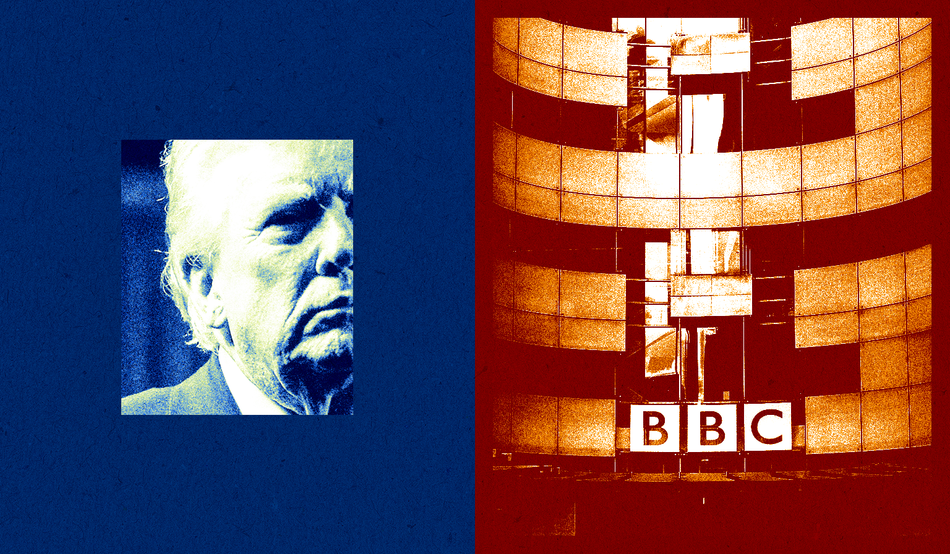
It must have seemed such a good idea at the time. When President Donald Trump brought his case in Florida against the British Broadcasting Corporation the damages demand was for a Dr Evil-like $5bn. (See Donald Trump v the British Broadcasting Corporation: the battle begins, from December 2025.)
This was an extraordinary amount by any standard, not least for an area of law where awards are usually for significantly less. For although the BBC made an error in a documentary, which it admitted and apologised for, the quantity of damages was inflated.
To somehow justify this excessive claim, Trump asserted that the BBC documentary at issue had made him suffer “extensive economic harms” and “injury to [his] business and personal reputation inflicted by [the Defendant]… thereby causing massive economic damage to his brand value and significant damage and injury to his future financial prospects”.
He further pleaded that this damage resulted in “direct harm to his professional and occupational interests, including, without limitation, the value of his brand, properties, and businesses, and severe diminishment and tarnishing of his reputation as a politician, leader, and businessman in the eyes of the American public and around the world.”
And this is how the claim was made to add up to $5bn. He prayed in aid the damage the documentary supposedly inflicted on his business and commercial interests.
The documentary, of course, did no such thing. Indeed, Trump cannot even show anyone in the United States saw the programme with its wrongly edited footage of his speech on 6th January 2021. He has even had to drop the case against two BBC subsidiaries in the United States because he cannot make out any claim against them.
But this scarecrow of a lawsuit continues. Trump still refuses to pull the main case against the BBC, and the claim is beginning to bite him. The BBC is now turning the litigation table against him. Trump has a problem.
The BBC has sensibly focused on what is called discovery: the obligations on parties to litigation to produce evidence relevant to the claim being made. This obligation is not only in respect of evidence which supports the claim, but is about all evidence that is even relevant to it, one way or the other. And it is about evidence which may not even be admissible. The only exclusion is legally privileged material. Discovery is a broad and deep burden on the parties.
So the BBC has formally asked Trump for the evidence that is relevant to the alleged damage to the value of Trump’s brand, properties, and businesses—and not just evidence which helps Trump. In essence, this means disclosure of extensive internal records about the president’s business and other financial dealings.
Trump does not want to disclose these records. His lawyers argued that the request is improper as well as disproportionate and unduly burdensome—even though the commercial harm worth $5bn is central to the case. Indeed, from a technical legal perspective, the damages are as much an element of the alleged legal wrong as the wrongful documentary, and Trump must prove each element. Because of this refusal to disclose, the request has to be decided by the court.
And so in another splendid Order in this case, the court sided firmly with the BBC. Nothing in the litigation rules means that disclosure can be delayed. Trump’s lawyers wanted to hide behind an “expert report” at trial setting out the purported damage. But the court said the documents need to be produced now.
Trump’s representatives even contended that producing the business records would be “overbroad” even though they are claiming an astronomical amount of damage to Trump’s commercial interests. Trump and his lawyers essentially wanted it both ways: to mount a wide-ranging damages claim but with the narrowest range of produced documents to support that claim. The court said no.
As with many other things to do with Trump, this case smacks of bluster but little tactical (and still less strategic) thought. What seemed a powerful first move was not really thought through. Trump presumably assumed the BBC, like other entities he has brought suits against, would simply fold. But the BBC also said no.
And now Trump is caught in a trap of his own making. If he pushed on with this claim where he cannot even show anyone saw the documentary in the United States, it will be at the cost of revealing his internal commercial records. Perhaps Trump will appeal, but unless the BBC in turn folds, the evidence will have to be disclosed at some point.
One possible outcome will be for Trump to find some face-saving pretext to either quietly drop the case or even to declare a victory. The BBC may even provide a sop for this purpose.
But for now his case against the BBC is stranded in its own Strait of Hormuz. Outright victory is unlikely, and the other side did not capitulate when Trump made his first move. Trump is currently stuck, for this is what happens when others refuse to give into bullying.