American superhero comics often have masked individuals acting outside the law, and readers are meant to see this somehow as a public good. The premise is that such disguised vigilantism allows people to actively benefit their community.
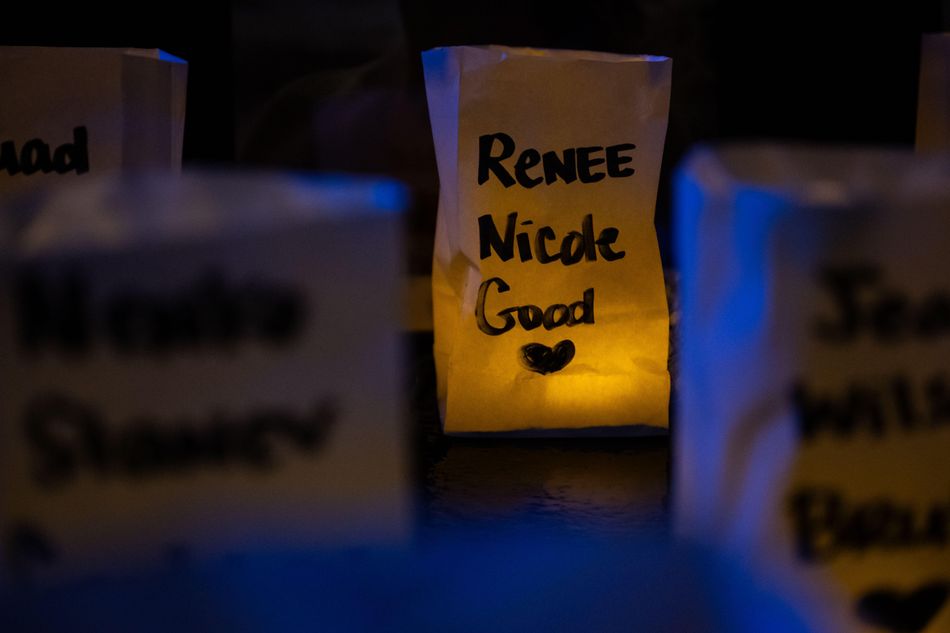
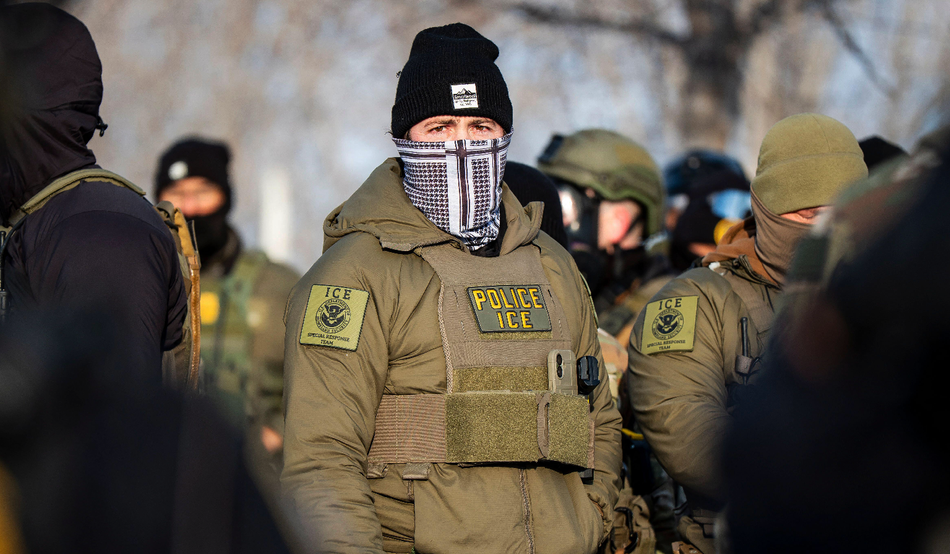
In reality, of course, those refusing both to reveal their identity and to comply with the law will tend to be doing bad things. And in the United States the federal Immigration and Customs Enforcement agency (ICE) is doing bad things at scale, hiding behind masks and violating the rights of citizens—regardless of their immigration status. In essence: ICE is freely kidnapping, beating up and killing people.
That ICE is doing this is not an accident. It is deliberate public policy, with considerable public resources behind it. ICE agents have absolute political protection. Vice President JD Vance said that they have “absolute immunity”—even though legal scholars say that is not true as a matter of law.
The United States therefore has, as public policy, a marauding private police force with full legal privileges. And although technically this is not supposed to happen, and in theory the ongoing misconduct of ICE agents is subject to political and judicial control, nothing can be done to stop it.
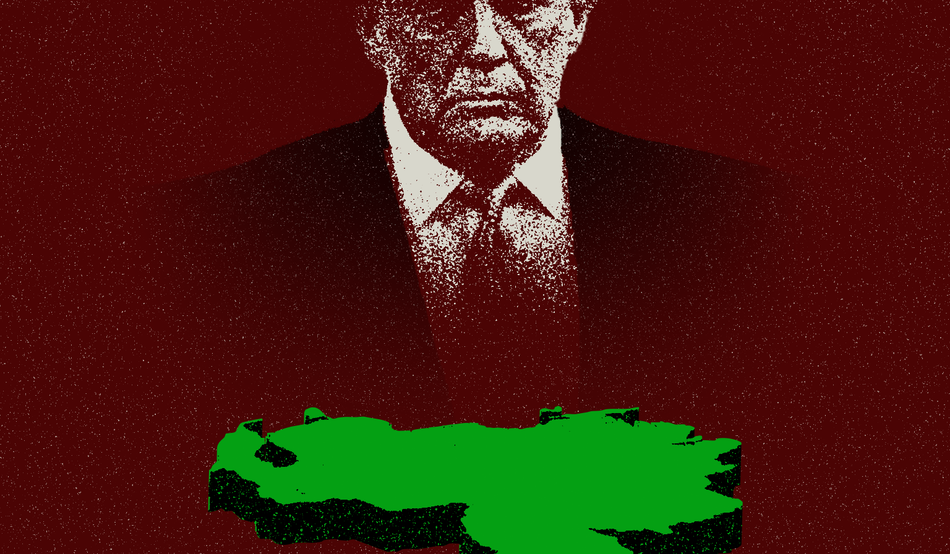
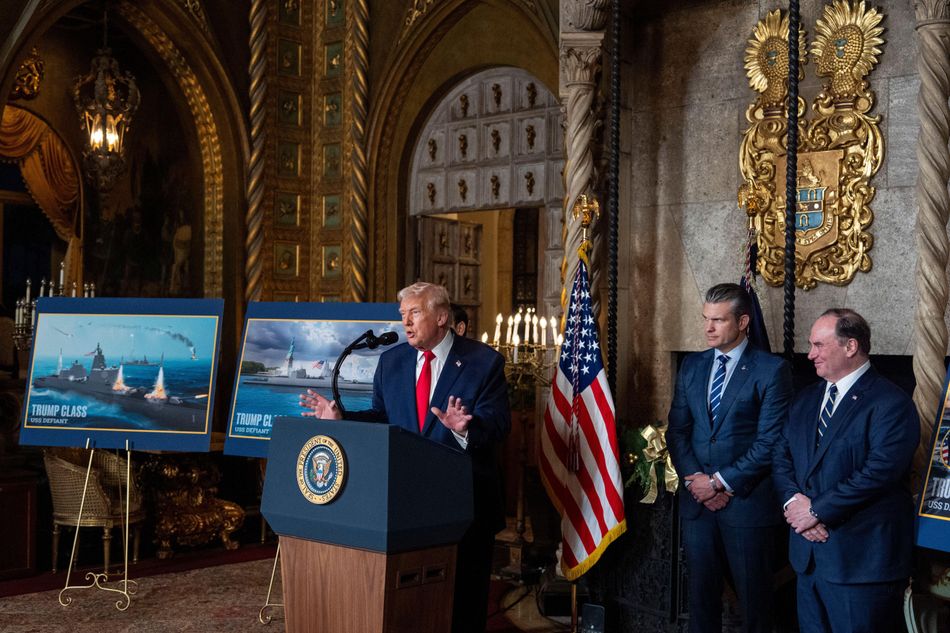
This slide towards general lawlessness can be seen throughout the federal government, both in domestic and foreign affairs. There are so many instances where casual outlawry has ceased to be exceptional and is now the rule. The exceptions are now when the government does things by the book.
In one way this is a very curious thing, for the US is full of laws and lawyers. Its very organising principle is a codified constitution rather than, as in the United Kingdom, the crown. It is a society popularly seen as litigious—indeed as over-litigious. And yet the federal government is getting away with it.
That the government still has such political support can also be seen as remarkable. In 1993, at the Waco siege, many small-c conservatives were outraged at what they saw as the brutal excesses of the federal government. And now that the excesses of federal agents are far greater there seems little discontent from small-c conservatives.
Congress and the federal courts are not providing any meaningful check and balance, notwithstanding the express terms of the written constitution. And so on the streets of Minnesota and elsewhere there is the same sort of intimidating lawless authoritarianism that Christopher Isherwood saw all about him in his Berlin stories and diaries from the early 1930s.
Such a rule of terror instead of a rule of law is being contested. At a city and state level politicians are opposing this shift. There are also some popular protests and coordination and cooperation in frustrating the actions of ICE. And admittedly, the federal courts have prevented the federal government from mass-mobilising the National Guard as a private army to complement ICE as a private police force.
And such terror-based policy is difficult to sustain by force alone. There also needs to be legitimacy and social cooperation. All policing of large populations has ultimately to be by consent—or at least by forbearance of the majority.
This is the real test: whether in the medium- to long-term such extrajudicial policing becomes embedded or is rejected by society generally. It is always easy to move quickly and break things, but to keep constantly breaking things takes will and support. The problem is not so much what ICE is doing but that many Americans who are not being directly affected seem not to care.
The “rule of law” is a grand phrase, but it is an abstraction that rarely mobilises political support. That it is other people—immigrants and those protesting or observing ICE misconduct—that are being freely kidnapped, beaten up and killed seems to be regarded as someone else’s problem.
But unless and until such street violence is checked and those commanding it face sanctions, then it will expand to become everyone’s problem. What Isherwood saw in its early forms can take a more general character as emergencies are declared and elections are undermined, and by then it may be too late. And there will be no comic book superhero to stop it.