The prime minister’s issue, so far in his short time in office, has been the cost of living. He has, among other measures, removed VAT from domestic electricity bills. He has imposed a national cap of £2 on bus fares. It is probable that such promises are a prelude to an even more generous package in the autumn.
The question arises, therefore, of where the money for all of this will come from. Pressure on public spending is intense, not least because John Healey, the defence secretary who resigned over the previous chancellor’s refusal to properly fund the military, is now himself at the Treasury. The prime minister has committed himself to the same restrictive fiscal regime that hampered his predecessor, so the search may be on for savings. Inevitably, there will be whispers that the threat of climate change is distant and expensive, and so this is where the money can be found.
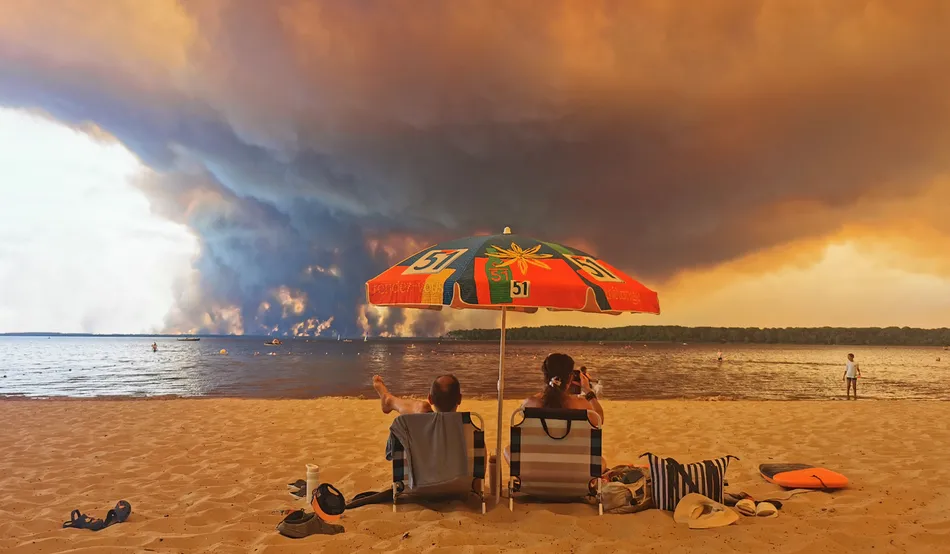
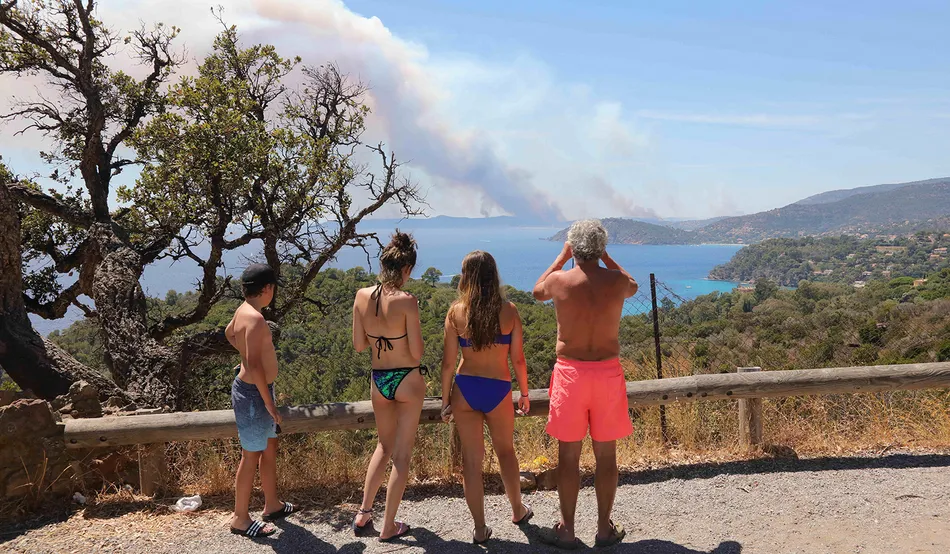
That would be a serious error. For a start, it is impossible, after a summer of extreme-heat-related wildfires across the UK, including in Suffolk, Stourbridge and the Cairngorms, to say that the climate crisis is a distant prospect. The question is not whether to make the case for action; the question is how to act.
The government’s position remains that the UK should reach net zero by 2050. The Clean Power 2030 plan still envisages clean sources providing at least 95 per cent of the nation’s electricity generation in a typical year by then. But progress has been insufficient. The Climate Change Committee’s 2026 report found that though UK emissions are now 50 per cent below 1990 levels, the next steps will be harder.
There will be—indeed, there already has been—a political temptation to go slower, citing the immediate costs as justification. This argument is usually accompanied by the claim that the UK only emits a small percentage of global emissions so need not worry too much about the solution. The consequences of climate change, however, are visited on everyone; climate change is a cumulative problem; and a country’s record of historic emissions is arguably as important as its scorecard of emissions today. On that, the UK ranks poorly. Besides, it is surely part of a viable and ethical foreign policy for the UK to lead such a cause for good—as Ed Miliband, the new foreign secretary and the former energy and net zero secretary, will no doubt be arguing in the cabinet (and as the former Tory government, which passed the UK’s 2050 net zero emissions target into law before any other large economy, understood too).
Therefore, the first thing the prime minister should do is re-emphasise his commitment to the 2030 target. He should accelerate a programme of home insulation and low-carbon heating and point out, while he is doing so, that better-insulated homes are cheaper homes in the winter. Then, alongside a significant investment in public transport, he should announce support for the transition to more electric vehicles.
Burnham arrived in Westminster with a good record on the climate. As mayor of Greater Manchester, he backed the city-region’s target of becoming carbon neutral by 2038, which is 12 years ahead of the UK’s national net zero target. He often made a case that he should now repeat: that decarbonisation could create jobs and, by reducing the national reliance on conflict zones, bring down household energy costs.
In this month’s issue, from Ellen Halliday’s essay on the loss of consensus over net zero, to the writer Melissa Harrison’s diary from a region hit by wildfires, Prospect’s writers grapple with these pressing questions. The need for climate action is urgent, and would still be so if every item of expenditure had no economic return other than making the planet habitable. This is, of course, not true. The case that is made against net zero, that it costs too much now, is doubly short-sighted. First in the sense that cheaper energy, more of it generated domestically, is within our reach, but short-sighted too in the sense that our futures are at stake. The cost of living is high, but so is the cost of living like this.