The central question of politics is, where should power lie? That implies the related question of: with whom? Liberal democracies, the United Kingdom included, have not allocated their power wisely. For that reason, too many people feel excluded from their spoils. The political theorist David Runciman has written that liberal democracies make two pledges to their electorates. They give people a voice, offering them the chance to participate in the process of power. But they also promise material progress. The implicit bargain of modern politics has been that, in exchange for votes, lives will improve, and people will become healthier and wealthier.
In his so-far thin prospectus for becoming prime minister, Andy Burnham has a clear answer to the first question. He believes, with some justification, that no developed nation is as centralised as the UK. No comparable country gathers its financial centre, its cultural centre and its political centre into the capital quite like us. The claim that all roads have been built to lead to London is uncomfortably true, despite the great creativity to be found elsewhere. London and the southeast is the only British region today which makes a profit. Every other part of the country is ultimately subsidised by the capital.
Burnham proposes a form of devolution the like of which nobody alive will recognise. He is fond of saying he would like to take the country back to before the rule of neoliberalism. His plans for a relocation of power, however, take Britain back to before the advent of the large modern state during the First World War. His is a land of great monuments to local pride, such as William Henry Crossland’s Rochdale Town Hall, just around the corner from where the cooperative movement began.
Even if further devolution is successful, the question over the linkage of political and economic power remains. If devolution ends up simply shuffling control from one set of politicians to another, it will disappoint. This takes us directly to the second promise of liberal democracy: that living standards should improve, which in turn, raises the related question of for whom? It would be wonderful if living standards everywhere were miraculously to be raised. But as the former French premier, Pierre Mendès-France, once said: “To govern is to choose.” Burnham will have to decide who he is for.
The nation’s resources have flowed to the large generation born during and just after the Second World War
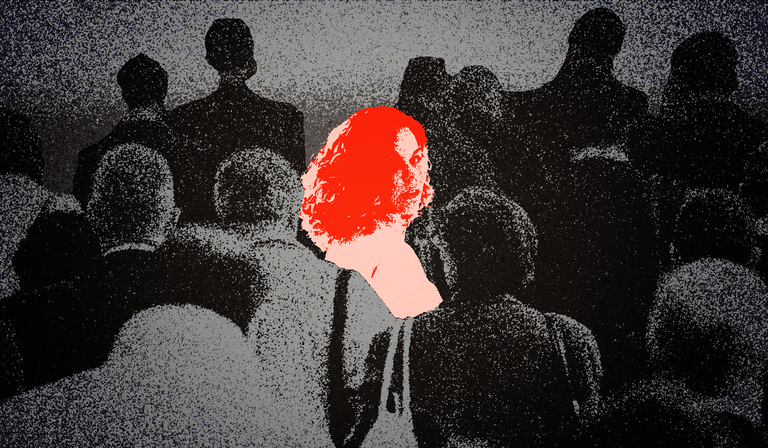
So far his answer to that has been geographical. It would perhaps be better if it were generational. As Marie Le Conte argues in the Prospect cover essay this month, politics appears to have shut out a younger generation. Stagnant earnings, unaffordable housing and the effect of technology on the labour market mean that to be young today is to feel as though a choice has been made to govern for someone else. The nation’s resources have flowed to the large generation born during and just after the Second World War. There was a spike in education spending when they were at school and, now that this long-living cohort is into its retirement, there is a spike in spending on healthcare and pensions. No single political party explicitly chose this outcome, but that is of little consolation to its victims.
To some extent the answer to the second conundrum of liberal democracy lies with the first. The more that young people participate in democracy—not least by voting in larger numbers—the more their voices will be heard, and the more the political class will be forced to heed their demands.
But there is a choice for the future prime minister right away. Burnham is building a political identity which is not rooted in the politics of London SW1. He wants politics which, as he said in a recent speech, puts “growth in every postcode and hope in every heart”. It’s not just places that need power; it’s people, and there are young people everywhere.