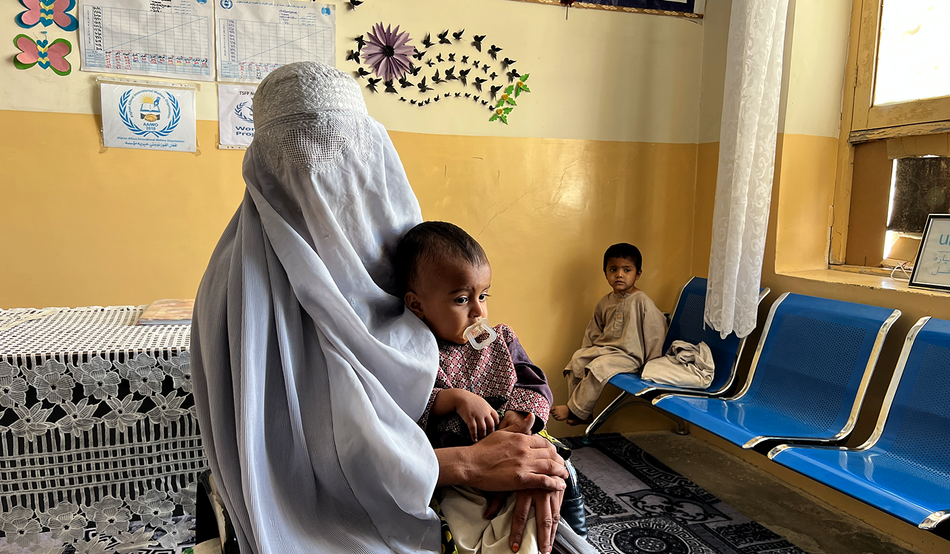
Earlier this week at a clinic in the western Afghan city of Herat, I saw women lining corridors with their emaciated children. Many were severely malnourished; some will not survive. For the last three months, my team has had to turn away everybody that comes to our centres for help because we have no food to give them. The desperation when we tell them is intense. The pain of watching their child suffer is unimaginable to me.
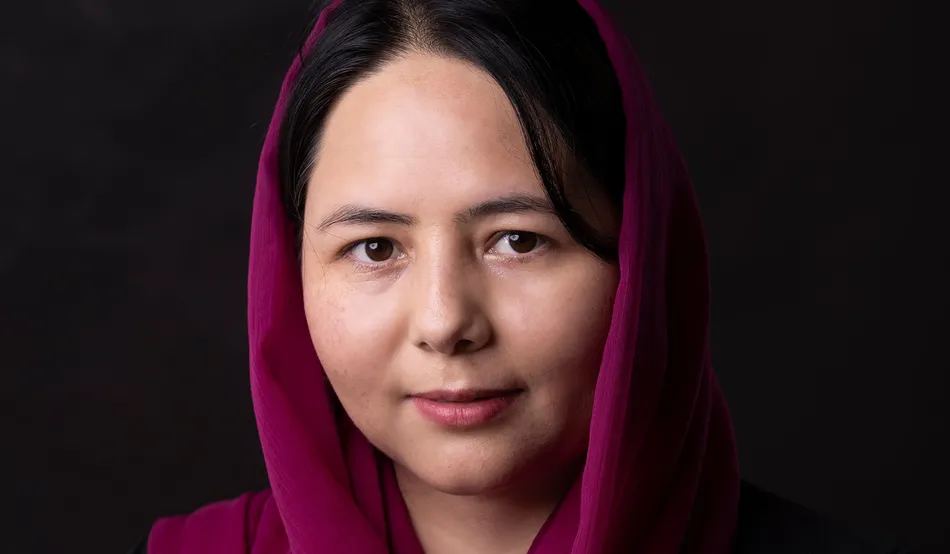
I moved to Afghanistan in May 2025. I had travelled around the country a few times before; for more than two decades, this mysterious, magical place has drawn me back. During one of my first visits in 2001, I remember flying over the Central Highlands from Herat to Kabul in a cargo plane and looking down at the snow-capped mountains below. It was vast—like a flatter version of the Grand Canyon—and utterly breathtaking. The other thing that strikes you when you first arrive in Afghanistan is the quality of the light, which highlights the beauty of both the landscape and the people. Needless to say, when the job came up to be the World Food Programme’s country director for Afghanistan, I jumped at the chance.
I arrived at a time when Afghanistan was facing the highest levels of malnutrition ever recorded. There had been a devastating drought, earthquakes and intermittent flash floods. And the economy had stagnated, driving more than 12m people into acute hunger. Less than six months into my posting, the border with Pakistan closed and then, this February, the critical chokepoint in the Strait of Hormuz severed another of our major supply routes. We now see a direct impact on those we support on the ground. As is so often the case, the hardest hit are women and children.
In addition to our nutrition clinics, the World Food Programme runs a hotline for concerns and complaints, which receives around 140,000 calls a year. From June to December last year, we saw a 60 per cent rise in distress calls from Afghan women to this line. Too many of them were contemplating suicide. One of our operators spoke to a woman who said that she planned to take her own life. She had been skipping meals to feed her children, but they were still going to bed hungry. It had got to a stage where she and her husband had made the impossible decision to sell their 12-year-old daughter into early marriage to a 40-year-old man known to have a drug addiction. The woman’s husband, a casual labourer, had grown so frustrated that he had turned physically abusive.
It is not only women who call us; men, too, suffer from the indignity of being unable to feed their families. We recently received a call from a father who had sold his kidney to put food on the table. These are levels of desperation that we at WFP have never witnessed before.
An added complication is that Afghanistan is experiencing more extreme weather events. A few weeks ago, torrential rains and flash floods killed dozens of people and wiped out entire villages in Nuristan province in the east of the country. In the drought-afflicted west, five young men were recently found dead after they ran out of water while walking through the barren, bleak desert. Incidents like these are becoming more common and more dangerous.
WFP’s Afghanistan programme is now only 12 per cent funded
The frustration is that these issues can be fairly straightforward to prepare for—and to resolve. When the Pakistan border closed in October 2025, we had 10,000 tonnes of specialised nutritious food waiting to cross. That could have fed 1.1m children. We were able to adapt swiftly, rerouting vital supplies from the port in Karachi through the Strait of Hormuz to Dubai. We managed to move two shipments before the first bombs fell on Iran in February this year, immediately cutting off that supply route too. There was no choice but to move our aid through nine countries via Central Asia and across the Caspian Sea to reach Afghanistan, bringing delays of up to three months. And meanwhile, of course, children were dying of malnutrition.
To add to the complexities of geopolitics, our funding has been severely cut. WFP’s Afghanistan programme is now only 12 per cent funded. The recent announcement about cuts to the UK aid budget has seen a further 39 per cent reduction in support from Britain, which has always been a stalwart supporter. We are now having to stop life-saving initiatives, such as our famine prevention programme, which was recently forced to close. There is no doubt about it: children in Afghanistan are already dying as a result of aid cuts. We are bracing ourselves for a further increase in child mortality in the coming months. I find it unconscionable that the international community cannot find the money to—at the very least—feed acutely malnourished children who are on the brink of starving to death.
I became a humanitarian because I am driven by a sense of fairness. This devastatingly beautiful country, with its warm, generous culture, has long had its reputation tarred. That is an unjust representation. Afghans are brave, resilient people. If you give them a small foothold, they will climb up and turn it into something remarkable. We see that every day in our programmes. In spite of all the headwinds against them, Afghans continue to overcome adversity, time and time again. Working alongside them consistently fills me with hope and never with despair.