Some commentators couldn’t get beyond the inadequate dentistry. “A snaggle-toothed vegan,” mocked Jeremy Clarkson. “A smile like an archaeological dig,” sneered Daniel Hannan.
So, who’s laughing now?
Zack Polanski was supposed to be electoral kryptonite. A scruffy, stubble-chinned, gay, shuffling, breast-enlarging hypnotist with lunatic views. Only in broken Britain would such a fanatical fruitcake emerge as a party leader. A sign, if you needed one, that we have all taken leave of our senses.
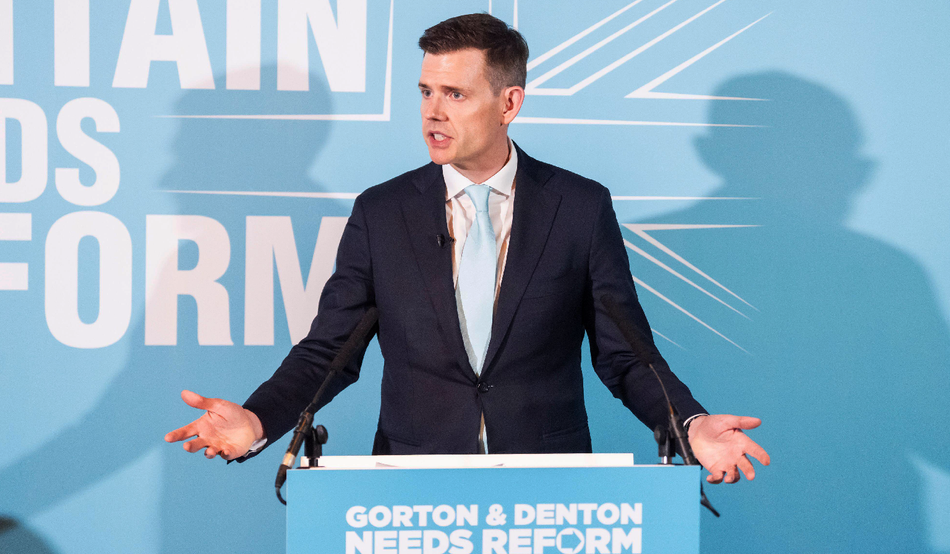
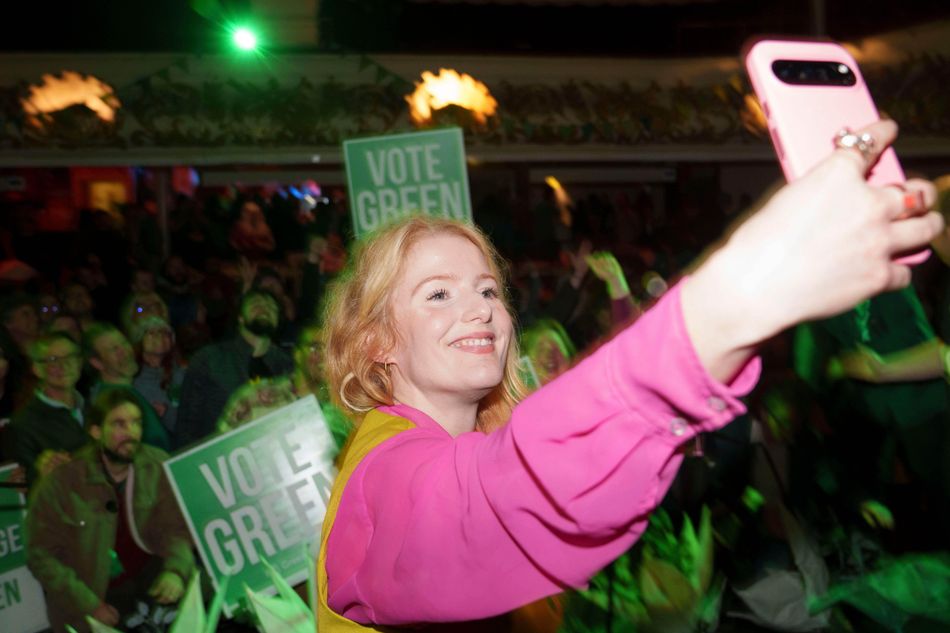
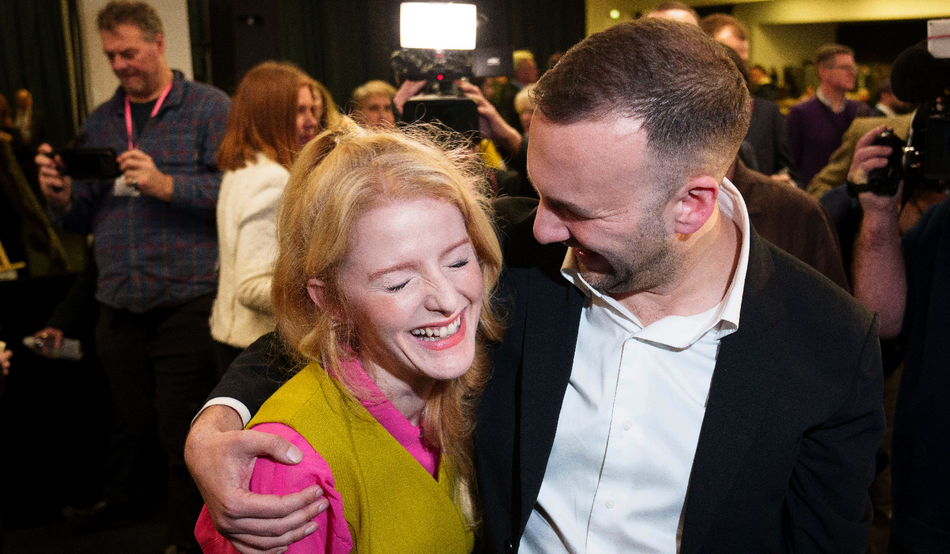
And yet Polanski’s candidate for Gorton and Denton, Hannah Spencer, romped home in the early hours of this morning, trouncing Reform and humiliating Labour. The early conventional wisdom was that Matt Goodwin—who has good teeth, if only he’d smile more—would walk it. And then the Wokies bit back. Ouch.
Polanski has certainly got under the Daily Mail’s skin. On the day of the Gorton and Denton poll, the paper paid him the singular honour of blasting him with both barrels of the main editorial page.
The main leader column denounced the green leader’s agenda as “sinister, rotten and potentially dangerous”. He was a “cynical opportunist devoid of principles or scruples”. Together with Labour and the Lib Dems, the Greens could form a “particularly hellish troika capable of bringing Britain to its knees”.
In the adjoining comment piece, Lord Hannan ridiculed Polanski, his views (“objectively, nuts”), his appearance (see above)… and his followers.
Why would younger voters find him remotely appealing, wondered Hannan? Because young people are stupid, he concluded. By way of conclusive evidence, he quoted the youngish Times columnist, James Marriott, alleging that even English literature students could no longer understand the first paragraph of Dickens’s Bleak House.
The 2024 study in question actually relates to two regional universities in Kansas, but no matter. It was enough for Hannan to assert that the only possible explanation for Polanski’s appeal to younger British voters was that they were ignorant. This dovetailed neatly with the accompanying editorial, which suggested that anyone believing the Green party could seriously amount to anything would, until recently, have been led away by men in white coats.
So, voters are not only stupid but mad.
But how deranged or thick do you actually have to be to recognise some value in the way Polanski’s Green party sees things in 2026? They are, for instance, appalled by inequalities in wealth, and favour taxing the very rich more heavily. Wealth taxes may or may not be a good idea, but there are many people—neither mad nor stupid—who bridle at the unequal rewards for hard work in late-stage capitalism.
Goodwin’s party demonise migrants and Muslims and blames them for most of society’s ills. Spencer and Polanski’s messaging was broader, more hopeful, more human.
If you just read the headlines, you’d think Polanski’s statements about decriminalising Class A drugs were similarly deranged. But the broad-brush policy is more nuanced than the headlines suggest—and, in fact, polling shows a clear majority of people in the UK and US who regard substance use disorders as a health issue rather than a criminal one.
Polanski, in other words, feels as if he is trying to open up a much-needed discussion about decades of failed policies over drugs. He may not yet have the answers, but why be afraid of having the debate?
The right-wing press may have given up on net zero, but the Greens haven’t—and polling suggests strong support for the goal, even if there are mixed feelings about how to get there. Migration? Again, polling shows a rather more varied set of attitudes than headline writers—or Matt Goodwin—could begin to grasp.
Polanski’s view that Israel has committed genocide in Gaza? Ridiculed as extreme, but by the time of last year’s fragile ceasefire, 75 per cent of Brits thought Israel had gone too far. Among those opposed to Israel’s actions in Gaza, 82 per cent agreed it was genocide.
Scrap Trident? There’s still a majority in the country for keeping it, but a significant minority who either oppose it, or have no view. In an age of cyber warfare and drones, there are plenty of respectable military analysts who question whether it’s worth spending six per cent of the defence budget on a nuclear deterrent system shared with Donald Trump’s America. Why is it mad or stupid to question whether Trident is still relevant, independent, necessary, cost-effective or credible?
Clean air and clean rivers are hugely important to people, not woke obsessions. Overwhelming majorities are concerned about the threat to biodiversity and the protection of nature. Nigel Farage may scoff at climate change. Most voters don’t.
Now, of course, it’s perfectly reasonable to point out that Polanski—charming, open and articulate as he is—has yet to advance workable, deeply thought-through solutions for all of the above. It’s one thing to channel the anger and disillusionment of people who feel betrayed by mainstream politics. It’s quite another to develop a suite of policies which will stand up to serious scrutiny the closer we inch to a general election.
But isn’t that also true of Reform UK? Until quite recently, they were promising £90bn a year in tax cuts. No longer. If the media is doing its job, all kinds of hard questions will be asked about their back-of-an-envelope policies on migration and welfare; Farage’s attitudes to Putin and Trump; support for fossil fuels; the failure of Brexit, and much more.
Until this week, the magnetic forcefield in British politics had been all one way. Farageism—bleak, negative, despairing, demonising—was the only game in town. It was a bit relentless, a bit dismal, a bit monochrome. But it seemed to be what voters wanted.
And now we have Polanski-ism. Eco-populism rather than ethno-populism. Upbeat, not downbeat. Will the BBC give this movement’s new figurehead a fraction of the airtime it gives to Farage? Will Hannah Spencer’s infectious verve and humanity survive the suffocating rituals and bear pit politics of Westminster?
Only time will tell. But, for now, perhaps we could stop calling the voters stupid and Polanski barking mad. His dentistry may not be immaculate. But he’s shown that he has quite a bite.