Andy Burnham opened his tenure as prime minister by pledging to bring back hope to Britain. There are some early signs of hope taking hold at home, but perhaps the brightest rays are coming from overseas. Populism, at least for now, is being pushed back.
In Brazil, incumbent president Luiz Inácio Lula da Silva defeated his far-right opponent, Flávio Bolsonaro. In Serbia, the veteran leader Aleksandar Vučić admitted defeat to the Student List, which emerged from a mass student-led protest movement, following a snap parliamentary election. And across the Atlantic, Donald Trump’s Republican party lost control of both the US House of Representatives and the Senate in midterm elections. In Israel, Benjamin Netanyahu’s bloc went down by a massive 15 seats in favour of the opposition.
But we should be careful not to run these events together. Lula is starting his fourth term at the age of 81, heading a well-established party that is almost half a century old. Serbia’s political regime has been upset by new entrants. And American politics is always more of an exception than a rule. “All politics is local,” said Tip O’Neill, former speaker of the US House of Representatives, and each of these instances is a case study in itself.
What they do share—and what is shared too by the notable student protests in France, Germany, Italy, Spain, Portugal, Belgium, Austria and Greece—is a sense that politics has for too long been conducted without hope, and in particular, with the exception of Israel, the hope that living standards might improve.
This wave of right-wing populists has struggled to govern—and the people have noticed
Economic growth has been elusive around the world. The conflicts in Ukraine and Iran have fuelled inflation, squeezing household budgets everywhere. For all the sound and fury of dramatic political personalities, the cost of living remains the most salient political fact of the times. In many nations—especially those in the European Union—a solution looks like a distant prospect. But it is still striking that democratic institutions can register discontent.
It is always important for liberals to remain vigilant against populist rivals. But it does seem that this wave of right-wing populists has struggled to govern—and the people have noticed. It is also clear that the political institutions of liberal democracies have been seriously damaged but not destroyed. In Brazil Flávio Bolsonaro has disputed the election result, as populists usually do, but he is not in power. In the US, courts countrywide have resisted the Trump administration’s attempts at manipulation. In Israel, Netanyahu’s attempts to question the results have so far fallen on deaf ears.
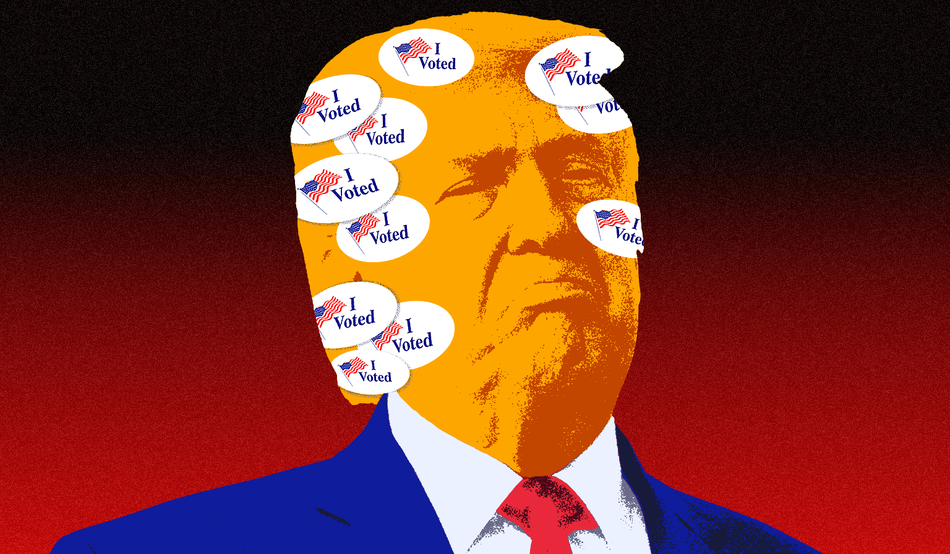
The midterm results do suggest that American voters have delivered a rather conventional verdict on an unpopular leader. In less than two years of his second term, Trump has already deployed armed personnel to arrest American citizens, used the presidency in ways that appear designed to enrich himself, launched a needless war that has inflated domestic prices already under pressure from his tariffs and targeted some of America’s closest democratic allies. It is not a record on which anyone would expect a good midterm result and the Republicans have been duly thrashed.
With time now running down on his presidency, a volatile Trump may still be a dangerous presence in the world. The US is hardly through its political spasm just because a Democrat is elected in Kansas. But the high point of Trump’s power has passed.
This is a reminder that there is never a settled state in democratic politics. As long as the electorate retains the right to make its disapproval count, any outcome is always provisional. And any president, no matter how forceful a personality, is on time borrowed from the people.
In Brazil, Serbia, the US, Israel and the UK too, where Nigel Farage’s Reform is joint-fourth in terms of its share of seats, there is a justified sense of hope that populists of the right are being taught that lesson.