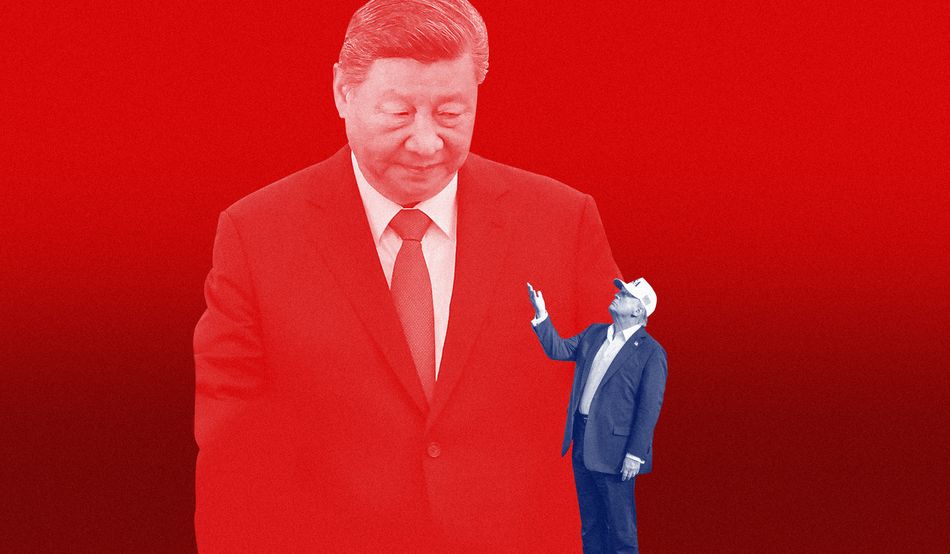
There was a time, roughly between Nixon and Biden, when meetings between the Chinese and the US heads of state had some predictable elements: China would remind the United States of its eternal claim to Taiwan; the US would rebuke China for its human rights abuses; in the background, business leaders on both sides would strike deals. The US was the bigger beast by every measure, and China’s ambition was to catch up, using the US relationship to help it build its economy through manufacturing and exports. Despite the yawning gulf in ideology, there were useful elements for both sides.
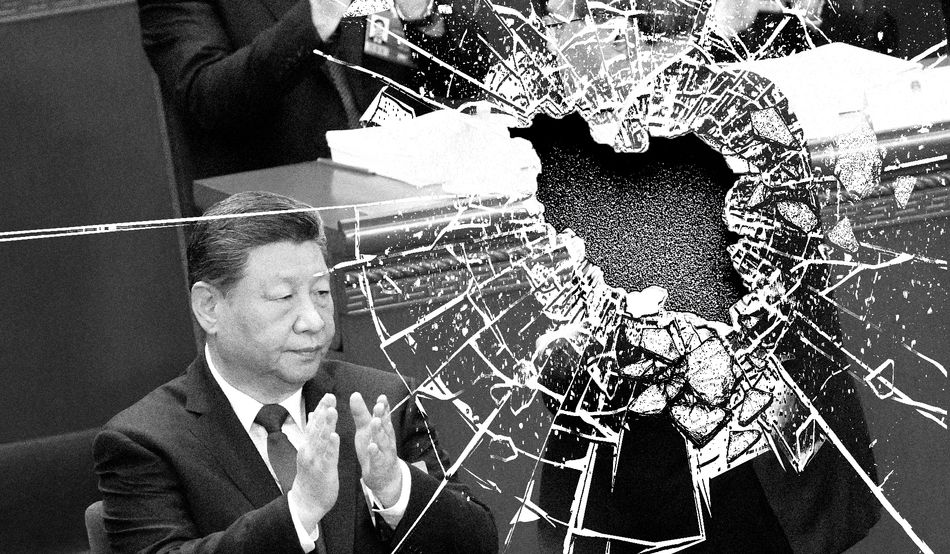
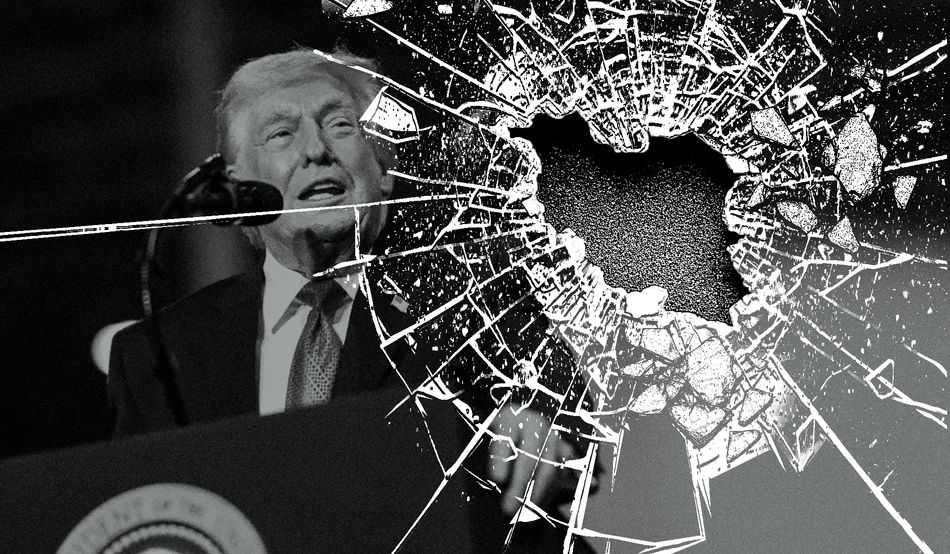
Donald Trump’s two-day visit to China this week, belatedly confirmed by Beijing, will be a clear illustration of how much things have changed: the US has abandoned any interest or claim to leadership in human rights, Trump is lukewarm about defending Taiwan and, as he meets Xi Jinping, it will be the US that looks like the needy partner. Trump is unpopular at home and bogged down in a pointless war with one of China’s friendly countries. He appears to be hoping that China can help him out of the mess he has made. All China has to do is to deploy its strategic patience while the US administration continues to destroy its own assets.
That the balance of power had shifted was evident when the two leaders met in Busan, South Korea, in October last year. Trump appeared to understand for the first time that China’s near monopoly of the supply of strategic minerals and rare earths gave Beijing a powerful hand. China had imposed an export licensing regime for those materials last April and to get it suspended, Trump had to lower his tariffs—the weapon that he had thought all-powerful until that moment. It was obvious that he had started a trade war he could not win. Analysts quietly concluded that China was now a real peer competitor.
Today, the US is even weaker: Trump’s adventure in Iran has so depleted US military hardware that it is doubtful that Washington can maintain any effective deterrence in the Pacific. It will take years to replenish its weapons stocks, something that cannot currently be done without Chinese-processed minerals. At present, Chinese regulations prohibit the sale of rare earths and strategic minerals for military purposes. The US has been scrabbling around for alternatives, but it will take time to build the refining capacity that would remotely match what China already has.
We can be pretty sure that Xi will not have to sit through a Trump lecture on human rights. Indeed, one notable aspect of this meeting is how much the two men have in common: autocrats of a similar age, both the sons of powerful fathers; neither thinks the rules apply to him; both use the law to punish political opponents; both have presided over a surprising clear-out of very senior military talent; neither likes press freedoms; both run regimes that are riddled with corruption; they share a powerful dislike of the European Commission; and both boast of warm relations with Vladimir Putin. It is not hard to imagine a cordial exchange of views on the opportunities of cryptocurrency or the obsolescence of Nato.
Trump’s wishlist for the meeting is a commitment from China to buy more soybeans from mid-western farmers and more aircraft from Boeing, both uncomplicated promises for Beijing to make. US officials have proposed to their Chinese counterparts that a new “board of trade” be set up to support smoother bilateral trade, but these discussions will take time to reach an implementation stage, if they ever do.
China has several options at this point. Any help behind the scenes over Iran will carry a price tag: the US will have to agree to a reasonable accommodation of Iran’s terms in any settlement and give China a green light to expand and consolidate its growing dominance of the Pacific.
As the US was busy bombing Iran, China, in a quiet return to an older strategy, resumed its programme of building islands on top of coral reefs in the South China Sea, most recently off the coast of Vietnam. These serve both as military bases and as props in its claim to own the entire waterway, with all its resources and its importance for global shipping. There has been no official rebuke from Washington on that, or over China’s steady intensification of threatening military exercises around Taiwan. If Xi can get Trump to shift America’s official language on Taiwan—another development that is not hard to imagine—Beijing will see it as confirmation of an accelerating power shift and permission to continue its pursuit of reunification.
Beijing is expert, when it wishes to be, in giving face to its visitors with a lavish ceremonial welcome. Trump is likely to read a display of splendour as confirmation of his own importance. In Beijing, however, such displays are understood as affirmations of China’s status.
Xi’s wishlist is likely to include the hope that the Trump administration will stop behaving like a drunken elephant at a wedding and refrain from bringing down the global economy. As for China’s fortunes, 10 years of planning for resilience have paid off. China is not immune from global shocks, but nor is it as vulnerable as many of its Asian neighbours. Xi can still afford to be patient.