Scones with clotted cream first and then the jam, complaining about the weather, hoping that “it’s coming home”, dutifully queuing for a bus—by my teenage years, I was thoroughly absorbed into British life.
I moved from Germany to the United Kingdom sixteen years ago. For the first six years of my life in London, I never thought of myself as an immigrant. Moving countries as a child is a little like changing trains while asleep. You wake up somewhere different, but because you arrive before adulthood, the new landscape soon becomes ordinary. And so London became home. British schools, British friends and British habits steadily replaced my old Hamburger life. Eventually, I even seriously toyed with the idea of one day giving up my German citizenship for a British one. Germany was where I was born, but the UK was where I was growing up.
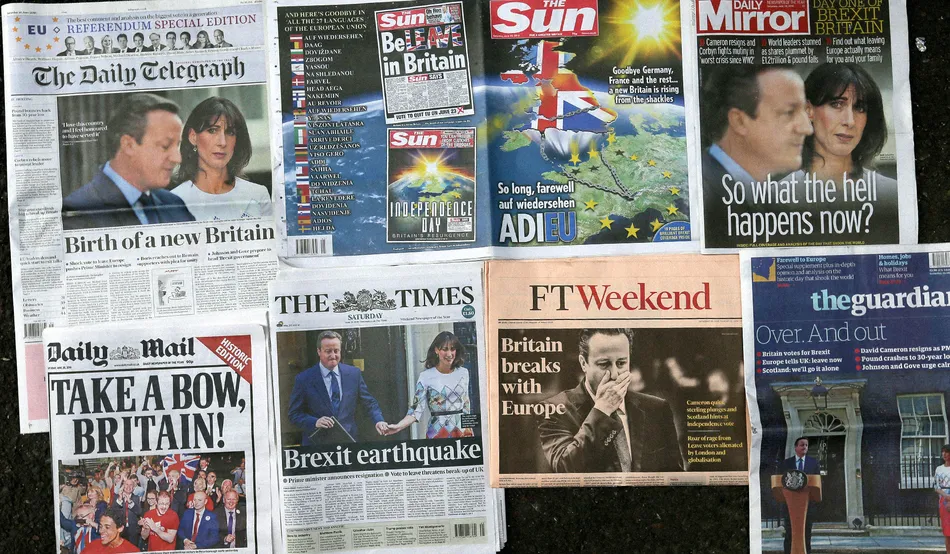
Brexit changed all of that. During the referendum campaign, I realised that people like me had become the subjects of a deeply divisive, toxic and heated national argument. Xenophobic rhetoric had moved from the margins of UK politics to its very centre. Brexiteers such as Nigel Farage placed immigration at the heart of their campaign to leave the European Union. Meanwhile newspapers stoked baseless fears that the country was being overwhelmed by migration.
The Leave campaign felt like a personal assault on my sense of belonging on this island. Individuals who came from elsewhere—or merely looked or sounded like it—became targets of political attacks by Brexiteers.
It’s not that the people around me suddenly became hostile. My teachers, friends and neighbours remained the same. Yet something had shifted. Conversations about immigration became more commonplace, and negative stories about migrants appeared constantly in newspapers and on television. For someone like me, Brexit introduced something that had not existed before: uncertainty.
As EU nationals living in Britain, we weren’t given a vote in the referendum. It felt rather like discovering that a house you had lived in for years had a front door that somebody else could lock without consulting you. The country I considered home treated me and my fellow 3.5m EU nationals residing in the UK as “bargaining chips” by refusing to guarantee our status, reducing us to political leverage in a messy divorce.
For my first six years in the UK, I rarely thought about being German, but Brexit made me think about it constantly. I became conscious of my nationality in everyday situations. When people spoke about “immigrants”, I realised they were speaking, at least in part, about people like me. I found myself following German politics more closely and taking a renewed interest in discourse taking place there.
A decade on, the UK and Germany appear to be wrestling with many of the same challenges, including the rise of the far right. The UK has long imagined itself as somehow apart from continental Europe, while Germany often regards itself as a model of economic stability and political consensus. Today, however, both countries face similar populist pressures: Reform UK is now leading many opinion polls in Britain, while in Germany, the Alternative for Germany (AfD), has become the second-largest party in the Bundestag. It is now the official opposition to the governing coalition of the Christian Democratic Union (CDU), the Christian Social Union (CSU) and the Social Democratic Party (SPD).
The contexts are obviously different, and the comparisons shouldn’t be overstated. Yet in both, the government has shifted towards tougher positions on immigration in response to the populists’ success.
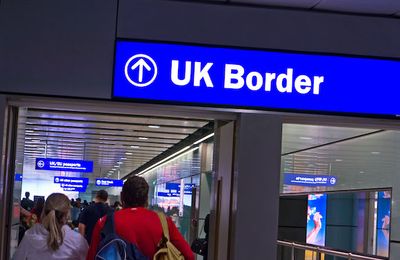
Chancellor Friedrich Merz’s government, for example, has introduced stricter border controls, accelerated deportations and limited family reunification. He has echoed AfD sentiments by describing migration as a “problem in the cityscape” and then doubled down on his statement by urging his critics to “ask your daughter” what he meant—a comment widely interpreted as repeating right-wing, racist tropes linking women’s safety exclusively to threat of violence from migrants.
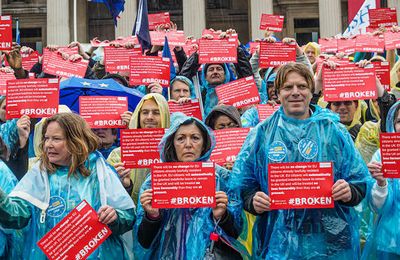
You would, in light of Merz’s comments and policies, be forgiven for thinking that he doesn’t belong to the party of former Chancellor Angela Merkel, who admitted more than a million refugees during her tenure, many of whom were fleeing Assad’s regime in Syria. This contrast illustrates how significantly the political debate around migration has shifted in Germany. Similarly, in the UK the home secretary, Shabana Mahmood, is proposing to increase the qualifying time for attaining indefinite leave to remain, reducing support for asylum seekers and capping sponsorship visas.
The question, then, is whether societies can continue to ask immigrants to integrate while simultaneously making them feel like strangers in the place they call home. Politicians these days can be quick to speak of the supposed ills of immigration, while being more retiscent in admitting its virtues. Even then, the defence of migrants is too often made in purely economic terms: how much they contribute, how hard they work, how much growth they generate. But if migrants are valued only for their material contribution, why are they then expected to assimilate culturally, emotionally and patriotically into societies that measure their worth largely by their usefulness? The paradox is that migrants are often asked to assimilate culturally while being valued only in economic footnotes.
No longer feeling quite like you belong where you live does manifest itself in everyday anxieties. You become more conscious of your accent, your surname, your nationality, your origins. Conversations about immigration no longer feel abstract because they seem, however indirectly, to be about you. There is a nagging sense that your place is somehow conditional, that acceptance depends on politics, public opinion or the outcome of the next general election. It is an unsettling feeling. You are not quite an outsider, but no longer entirely feel like an insider either.
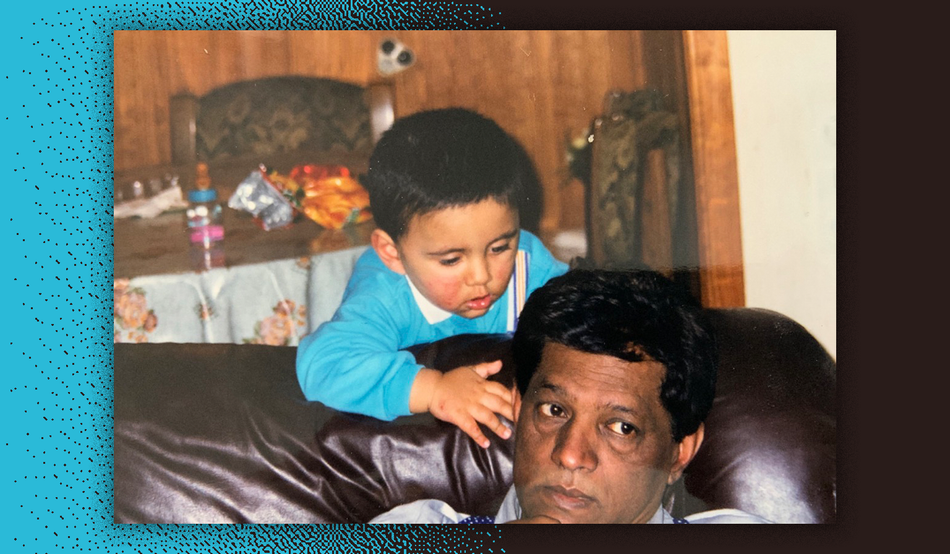
For most of my life, my immigrant identities and nationalities sat comfortably alongside one another. In the UK, I felt at home; I was British more than an immigrant. Born in Germany to Pakistani parents, I felt German. It was politicians—not passports or flags—who made me feel so transient in both.