If royal visits were enough of a substitute for raw power, the First World War would never have happened. The Kaiser was first cousin to our King George V, both were grandchildren of Queen Victoria. The pair met in Berlin for elaborate family festivities, together with Tsar Nicholas of Russia (another cousin), barely 15 months before Germany unleashed the dogs of war on Britain and Russia in 1914.
Vladimir Putin’s 2003 state visit to Queen Elizabeth II didn’t work out too well, either. Part of a grand plan to coax the new Russian leader into pro-western ways, it failed dismally. And the late Queen didn’t always fare well as head of the Commonwealth, a club of some of Britain’s former colonies, which included a selection of the world’s worst dictators. Idi Amin, the butcher of Uganda, was a particular fan. He would send the Queen frequent messages of love and admiration after she hosted him for lunch at Buckingham Palace. The British government of the day thought the royal magic might turn Amin into a reliable ally when he seized power in a coup.
You get the point. Royal visits and hospitality are essentially photo opps and exercises in elaborate flattery. They rarely change anything of substance, even among foreign leaders who claim to be great fans of our monarch.
However, it is equally true that among the UK’s friends and allies royal glamour can be a bonus. The US certainly used to be in that camp. From George VI’s successful state visit to FDR in 1939, through to Ronald Reagan’s horse-riding with Queen Elizabeth and Barack Obama’s warm relationship with William and Harry, close official ties were mirrored by equally close royal-presidential interaction.
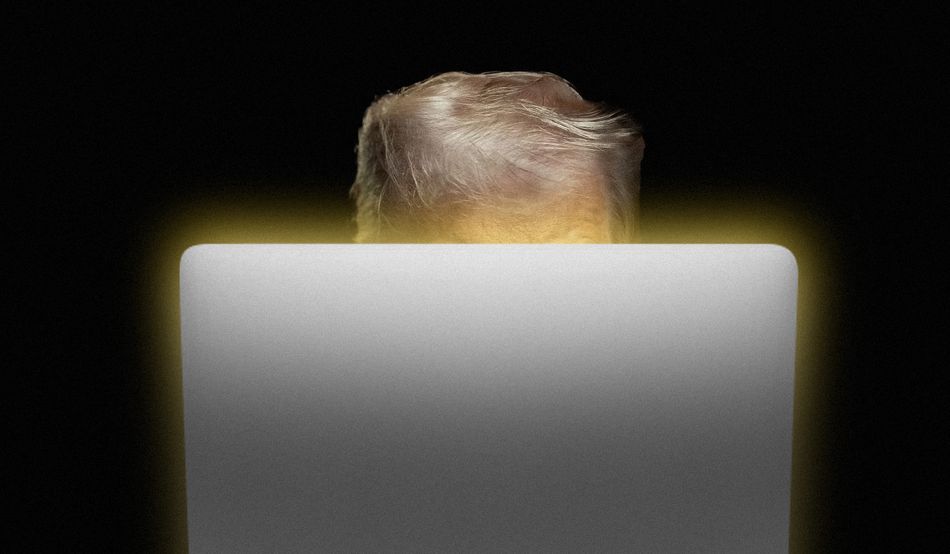
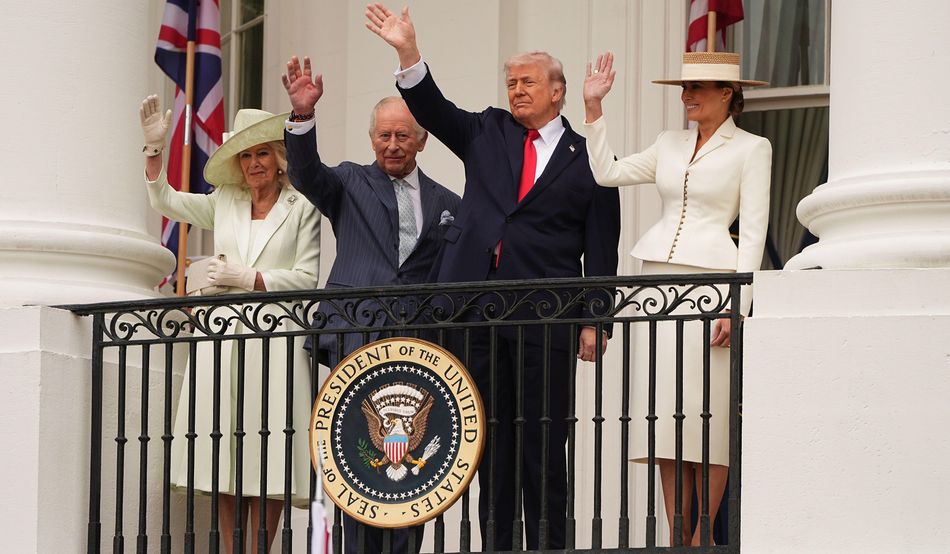
King Charles’s state visit to the US this week is peculiar because it is framed in the context of a continuing close alliance of governments. And Donald Trump, an addict of royal glamour, is observing protocol with a verbal discipline he applies in few other contexts. But what is the substance of the US-UK relationship, following more than a year of hostile Trump tariffs; pro-Putin rhetoric and manoeuvring; and constant public attacks on the UK’s failure to match the US president’s expectations on everything from migration and wind farm policy, to the Chagos Islands deal and the Iran war?
In terms of offensive action and resource allocation, Trump’s “special relationship” is clearly with Israel, not the UK, let alone Europe. At the same time as withdrawing support from Ukraine, Trump is waging an unnecessary war on Israel’s behalf and has massively increased aid for Benjamin Netanyahu’s government. And in his second term, as in his first, the main focus of his rare bouts of constructive diplomacy have been on behalf of Israel, seeking to promote its interests across the Middle East.
In respect of the UK, there is a continuing close relationship in defence and security. Despite bouts of anti-Nato rhetoric, Trump has not withdrawn from the alliance; nor—and this is the crucial test of whether US protection remains meaningful—has he moved to close US bases in the UK or elsewhere in Europe.
After the bellicosity of the past year, I had thought it only a matter of time before Trump did this. But his military action in the Middle East has given a new importance to European bases for the US military, particularly the large US logistical bases in the UK and Germany. The benefits of US-Nato infrastructure therefore continue to be reciprocal. This is crucial to a continuing partnership with the highly transactional Trump.
A similar “new equilibrium” appears to have been reached on Trump’s tariffs, which have stabilised at a far lower level than first threatened in the face of economic and legal reality. And so too on Ukraine, where the combination of Volodymyr Zelensky’s skilful obduracy and Europe’s success in backfilling withdrawn US aid has prevented a Russian victory and the humiliation of Europe.
The electoral defeat of Hungary’s Viktor Orbán, with his combination of Trump-boosterism and undermining of the EU, is also vital in the Trump raw power stakes. There isn’t now a viable “Maga Europe” to play off against the existing leadership of the UK and EU.
So the royal interlude in Washington celebrates a US-UK defence and security pact of continuing vitality and importance. In the hands of Trump and Keir Starmer it has none of the ideological fizz of Reagan and Thatcher, let alone the existential imperative of Churchill and FDR, but equally it isn’t an extinct volcano.