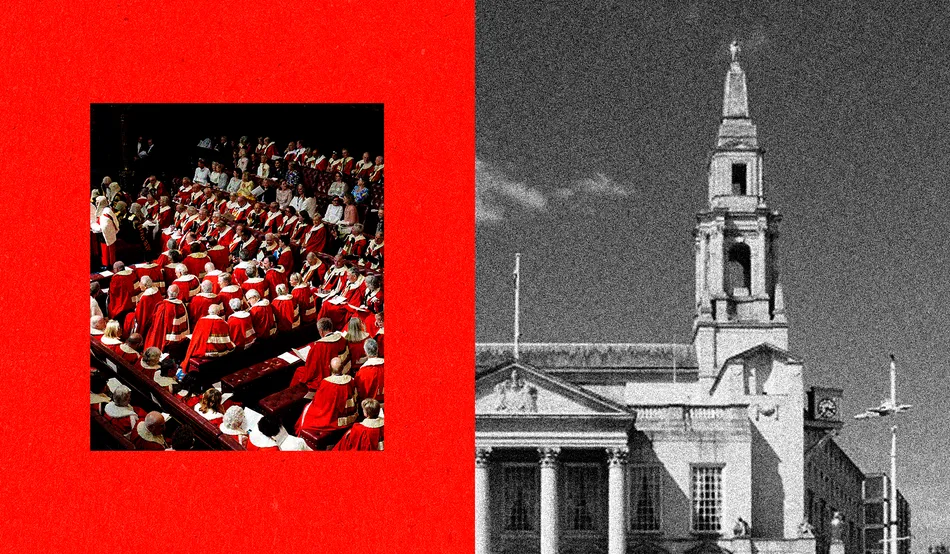
In his first major speech as PM-in-waiting, Andy Burnham made clear that he is serious about devolution. His headline-grabbing proposals included a “Number 10 North” to drive regeneration and reindustrialisation and a pledge to tackle the “stark imbalance in resources” between central and local government.
That rebalancing is undoubtedly vital. But there is another, less discussed matter that could prove just as important: can local government attract and retain the political talent needed to make devolution a success?
Local councillors oversee public services worth more than £140bn annually, making decisions that affect us all. Yet many councillors can’t earn a proper living from being local government representatives—and in England they earn far less than the national minimum wage. That is not a recipe for successful devolution.
While Westminster MPs receive comparatively generous pay packages, local councillors receive far less. Our analysis of councillor allowances—they are not technically salaries because councillors are not classed as employees—shows that the average councillor in England receives just £9,439 a year for their service, pro rata. As such, many councillors have other careers alongside local government.
Authorities with larger populations or “single-tier” councils, such as Manchester, which have responsibility for more local services, pay their councillors more on average. Meanwhile councils that serve a smaller number of residents and are responsible for fewer services pay councillors less. That is why in Manchester, councillors receive a basic allowance of £20,703, the highest in England, while in Pendle in Lancashire they receive just £3,500 a year, the lowest in England. When we asked the former leader of Pendle council, Liberal Democrat David Whipp, whether he thought he was paid fairly, he described the “huge furore” when his councillor allowance last increased. He received £4,000 per year on top of his allowance for overseeing the authority.
By comparison, the leader of Manchester council receives £72,366 in total. Yet in truth, neither of these allowances represent their level of responsibility, and the amount that local politicians earn seems, in short, arbitrary. Councillors across Birmingham and Manchester receive similar compensation, but Birmingham councillors represent double the constituents on average, 11,800 versus 5,600 per councillor.
There is one thing local government representatives in England do have in common: the vast majority are paid far below what councillors receive elsewhere in the UK. In Scotland, they earn £26,839 annually, while in Wales the figure is £21,044. Both are more than double the average payments for England.
Pay for councillors in Scotland and Wales is a decision for Holyrood and the Senedd. Scotland and Wales set the level of councillor compensation centrally, much like the Independent Parliamentary Standards Authority, which takes decisions about MP salaries. In England, however, councillors are expected to vote on their own pay increases. Local politicians are reluctant to award themselves higher allowances (unless you are Reform-led Kent County Council, which, despite promising to slash councillors salaries by 5 per cent when the party took over in May last year, actually increased them by 3.8 per cent to £16,885 this March).
Readers may be tempted to reach for the world’s smallest violin, but the differences in how much local politicians are compensated have significant consequences for British democracy. The Local Government Association estimates that councillors spend on average 22 hours a week on council work. Once those hours are taken into account, many councillors are paid less than the national minimum wage. Further devolution will only add to councillors’ workloads.
It’s worth remembering why councillors’ allowances were ever introduced. The system was put in place under a package of New Labour reforms to modernise local democracy in the early 2000s, alongside elected mayors and streamlined governance, in the hope of professionalising councillors. But it was also intended to guard against corruption (in one infamous case, the “Donnygate” scandal of the mid-90s, councillors in Doncaster on the payment-by-attendance model that existed then were caught claiming allowances for journeys, meals or conferences that didn’t occur or were exaggerated).
Councillors are also in an unusual position legally. Because they are classified as elected office holders rather than employees, they don’t get employment benefits. Unlike their counterparts in Wales and Scotland, who do get those benefits, England’s councillors aren’t eligible for annual leave, paternity or maternity leave, sick pay or pensions. Councillors did once receive pensions, but they were discontinued in 2014 by Eric Pickles, who wanted to reverse New Labour’s drive to “professionalise” councillors.
Meanwhile meetings are frequently held in the evenings, responding to casework can run late into the night and many councillors report increasing levels of abuse from the public. In one case we encountered, a councillor themselves ended up homeless. Like MPs, they are always one vote away from losing a political position and the salary that comes with it.
The last thorough examination of councillor compensation was in 2007. Andy Burnham’s administration should think about how it can bring coherence to this patchwork of councillor pay, if only to support besieged local representatives expected to do more with less. Part of the answer is more autonomy to run their authorities. But they will also need help to attract and retain the best talent. Councillors understand that the optics of increasing their allowance is not good, and for electoral reasons they have been slow to increase them. But the aggregate effect is that councillors are not paid what they deserve. Entering local politics will remain out of reach for many (which is why councillors are, on average, aged 60) and it will continue to dissuade others, including working parents, who have much to give, from entering politics.
Tory peer Michael Heseltine said it more than a decade ago, when he was advising the Cameron government on economic growth: “I want more powerful councillors and more powerful people in those councils and I want them to be paid properly.” Democracy on the cheap is not helping the broken local state. Councillors can better play their role in rebuilding public trust—and in championing Burnham’s devolution plans—if they are afforded the dignity they deserve.