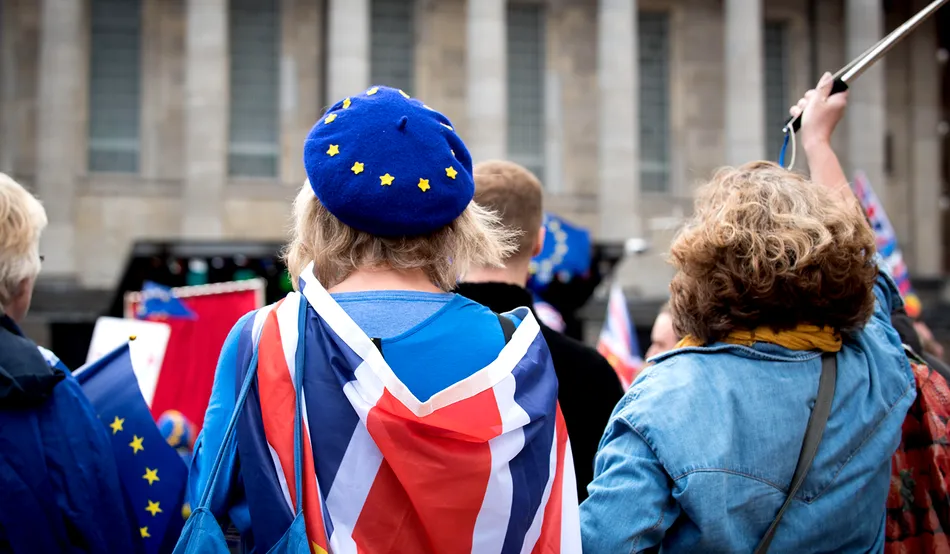
Andy Burnham completed his first 100 days in office this week. His premiership so far has been a distinctive blend of big questions (how do we replace a “broken” economic model?) and small answers (a £2 cap on bus fares). In his strongest moments, he has begun to link the two, and sketched a path to more adequate answers. Most notably, last month, in a set-piece conference speech of rare quality, he spelled out a vision of a politically reformed UK, with a rewritten social contract and renewed relations with Europe. Such moments are in sharp, and flattering, contrast with the drift of his predecessor.
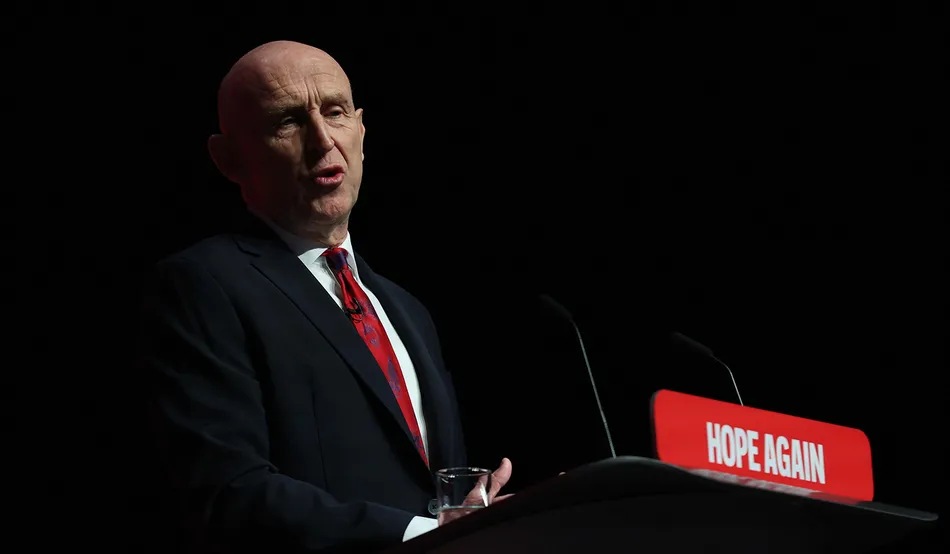
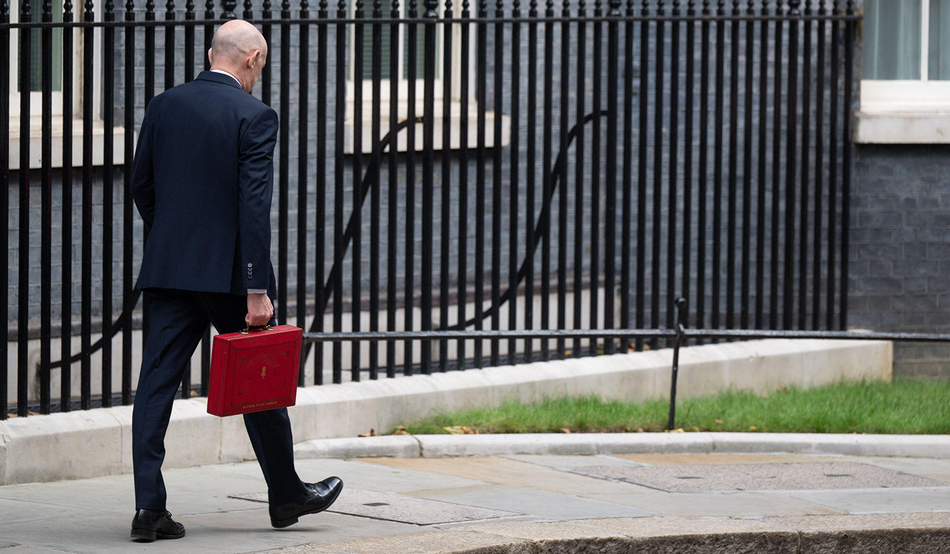
Wednesday’s budget, however, took us back to Keir Starmer’s kingdom of long grass and myriad reviews. At party conference in Liverpool, after Burnham had pointedly broken the pensions triple lock logjam on public policy, his chancellor, John Healey, stood up in the Commons and left dilemma after dilemma to various ongoing probes: the Casey review, the Timms review, the Milburn review and, the biggest holding pen of the lot, next year’s Spending Review. Totting up the giveaways and claw-backs on the Treasury’s scorecard on Wednesday revealed total budgetary action of only around £7bn, around a tenth of that seen on average across Rachel Reeves’s budgets.
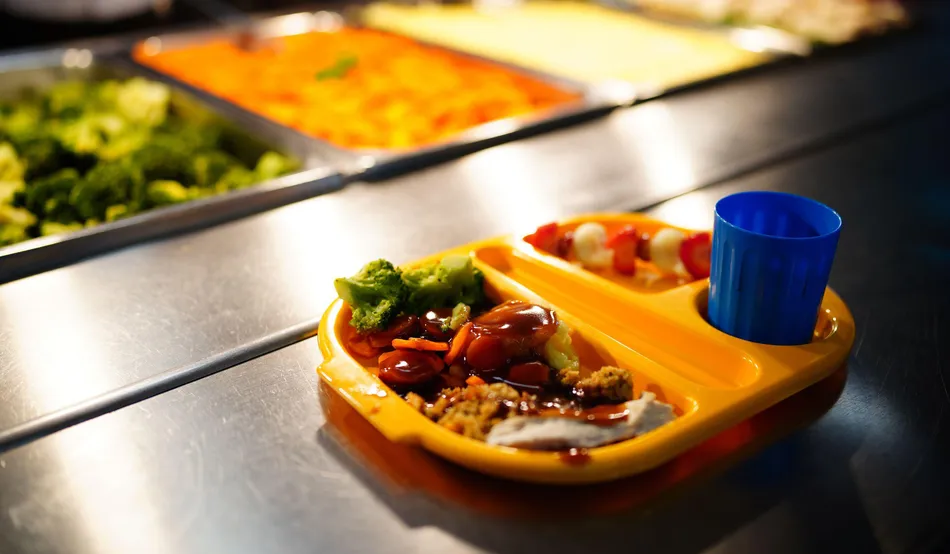
Instead of big decisions, we got a plethora of small moves that could be described as “retail politics”, almost literally so. Tariffs, for example, were removed from selected “family favourites”. But “every little helps” is not only a philosophy for a supermarket chain. It has also been a strategy of election campaigning tracing back, at least, to the days of Tony Blair’s famous 1997 pledge card. Instead of risking big arguments, which could scare voters who are instinctively sceptical of grandiose promises, the idea is to point them to something useful and sufficiently modest that they might trust you to actually get done.
Having restored Labour’s standing in the polls with remarkable efficiency, Burnham now faces endless questions about whether he is planning for a snap election. He’s always denied it. He has to, if he is not to end up boxed in by the expectation, as Gordon Brown disastrously was in 2007. But—until now—I’ve always believed him, because the political gamble looks so unappealing. Dissolving parliament would mean staking two or three years with an established majority of more than 150 for the chance of a majority of, let’s say, 50. Nationalist strength would almost bake in the loss of most of Labour’s MPs in Scotland and Wales. In England, meanwhile, even a wounded Nigel Farage could come back with far more seats than today. All this applies, even if the wager plays out smoothly. But past premiers who have cut and run early, from Ted Heath in 1974 to Theresa May in 2017, have found that the voters can be far from compliant.
There’s also the small matter of what an early Burnham pitch to voters would be. Until now, he’s been able to acknowledge big future problems, while also nodding regretfully at the binds that the Starmer-Reeves manifesto of 2024 places upon him. The moment he starts writing his own manifesto, he’ll have nowhere to hide. Like Stanley Baldwin in 1923, who took up office mid-term and felt a need to make a doomed dash to break free of inherited promises not to impose tariffs, Burnham’s election of choice would be painted by rivals as a bid for an unconstrained power to tax.
Ordinarily, I work on the basis that safe politics will win out over sound public policy. As such, I have assumed that an instinct not to walk into such traps will lead Burnham away from an early ballot. Listening to Healey, however, I did begin to wonder.
For one thing, he spread extremely thinly the modest support he had to offer against rocketing fuel bills. He did a little bit for a whole lot of voters, rather than focusing on the sharp end of the cost-of-living crisis. For another, many of the thorny issues that he shunted off till next year—such as exactly where else to cut in order to fund his defence ambitions—are the sorts of things that really will have to be settled before too long. They are also the sorts of dilemmas which are best grappled with during a first flush in power. Or straight after an election.
Last but not least, while the politics of small things that the chancellor offered can plausibly get a government through the short build-up to an election, it could become grating during a multi-year squeeze on living standards. In a country of sinking incomes and rising bills, the number of cynics tends to grow. As they do, offers to knock a few pence off a tin of Heinz at the supermarket risk being dismissed as, well, small beans.