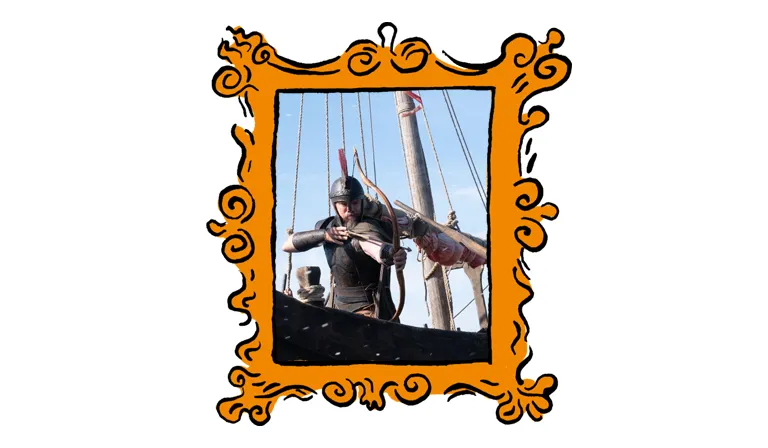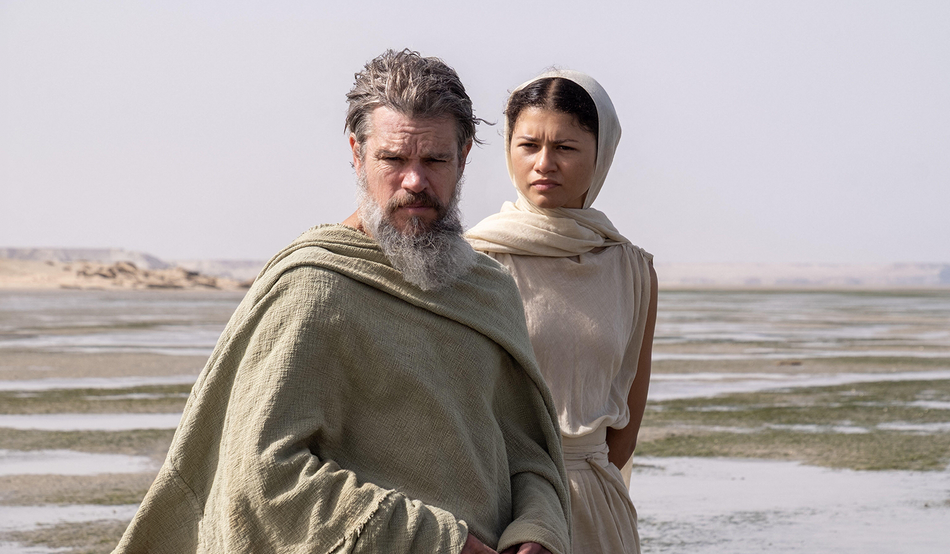
The Trojan War lasted 10 years. The discourse around Christopher Nolan’s The Odyssey only feels that long. Classicists, critics, culture warriors, columnists and everyone with an X account has had their turn at the oar, finding in Nolan’s film a referendum on everything from adaptation and masculinity to empire and the future of western civilisation.
There is a narrower, but more interesting quarrel. Ezra Klein, writing for the New York Times, and Emily Wilson, acclaimed translator of The Odyssey, agree that Nolan has moralised Homer for the present. Klein thinks this is the film’s masterstroke; Wilson thinks the movie fails to live by the morality it preaches. Their clash opens the question I want to pursue: what if the contradiction Wilson finds in Nolan is not his alone?
For Klein, the anachronism is the point. Nolan has “smuggled” a later ethic into Homer. His “Zeus’s law” no longer means merely the ancient duty of hospitality to strangers, who might be gods in disguise. Instead, it becomes something like the golden rule: the stranger matters because he is a moral equal. This is Nolan’s “finest trick”, turning an epic of heroic cunning into a rebuke to an age newly enamoured of strength and domination. Troy is no longer the crowning act of Odysseus’s heroism but the beginning of his moral ruin. The conqueror comes home to discover what the barbarity of conquest has made of him and of the world he hoped to return to.
Wilson sees the same humanist moral ambition in Nolan but reaches an opposing verdict. “Verbally, we are told that people matter; visually, we are shown that they do not.” The script insists on compassion, while the camera falls in love with machinery, movement and destruction. Violence is traumatic when Odysseus remembers Troy and yet cathartic when he attacks Penelope’s suitors. We are supposed to hurt with Odysseus and yet most of his victims remain nameless and faceless. That is not moral complexity, she charges, but moral incoherence.
The criticism is formidable. And yet perhaps it convicts too quickly.
What if many of us are liberal humanists by conviction but rather more Homeric in our feelings and impulses? We say every human life has equal worth, yet neither stories nor experience come to us that way. We live among protagonists and extras. We condemn vengeance as barbaric and still enjoy watching Antinous, the chief suitor, get what is coming to him. We know war is obscene and yet love to watch it rage on screen. In short, liberal universalism asks more of our sympathies than our sympathies reliably deliver.
No wonder, then, that Nolan’s film has struck such a nerve. Its humanism is compromised by the appetites of the very culture it is trying to chastise. But a perfectly coherent liberal-humanist artwork where every victim received equal attention, violence never thrilled and heroism never seduced would be less truthful and arresting. It might also leave unexplained the attraction of the forces liberalism asks us to resist.
None of this means Nolan is off the hook. There is a difference between making moral ambivalence visible and simply succumbing to it. Wilson is right to ask which Nolan has done.
At the end of her essay in the Atlantic, she writes that in times of “hatred and misinformation, we need… art that is truthful about the costs and the necessity of compassion.” Perhaps. And yet what if our commitment to compassion has always lived alongside fantasies of righteous force? What if we do not abolish those fantasies, nor the urges they channel, by producing purer, more morally consistent art?
Nolan may simply have failed to reconcile the liberal values in his script with his cinematic appetites. But a failure can still be revealing. We want to believe that everyone counts, while remaining hero-making, vengeance-loving creatures. That contradiction becomes especially consequential when liberal societies cease to live by their ideals and begin to find their opposites more convincing.
Perhaps this is one reason why we quarrel about The Odyssey. Old stories survive not because they solve our moral contradictions but because they are capacious enough to house them. Nolan wants Homer to say that everyone matters. Wilson asks his camera to mean it. Both demands have force. The more uncomfortable possibility is that we, too, mean it incompletely.